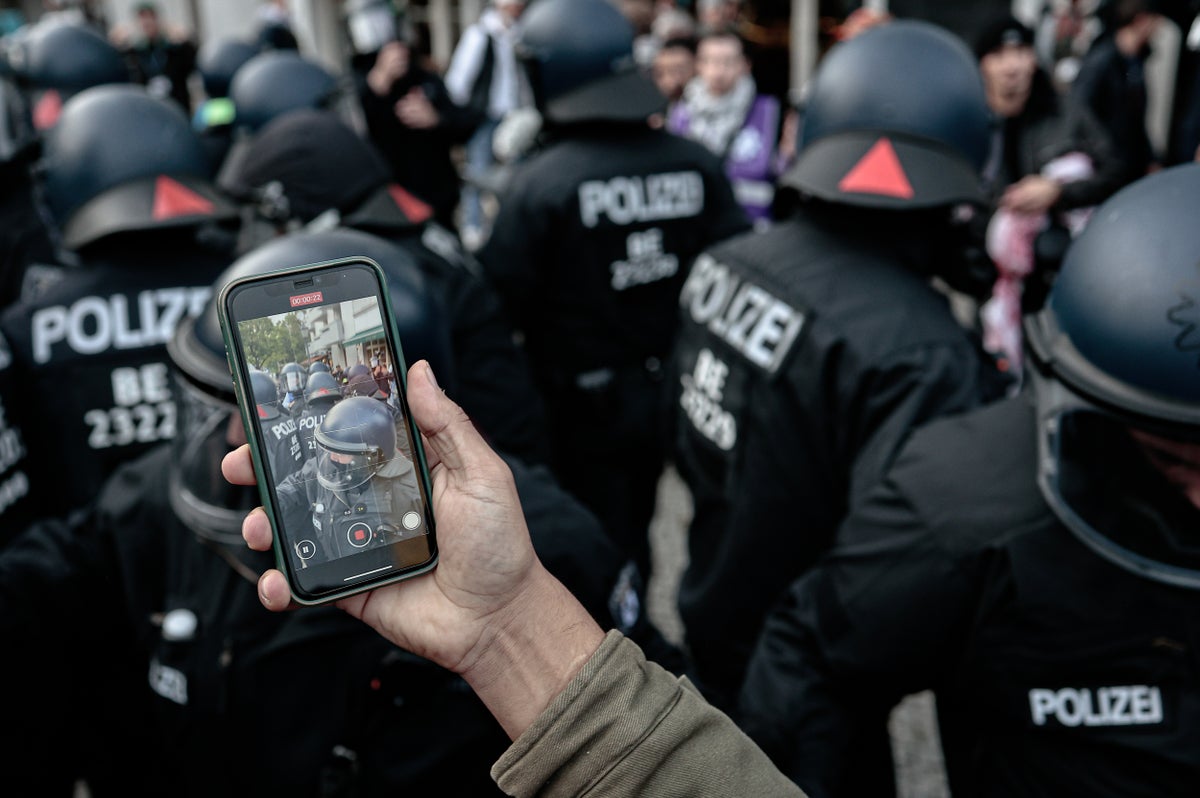
"In February 2007 the Supreme Court heard a case that hinged on about 15 minutes of video evidence from two police vehicles' dashboard cameras: footage showed the front end of a police car as it pursued a driver in Georgia before it rammed into the back of the driver's car, which subsequently crashed. The driver, 19-year-old Victor Harris, was left permanently paralyzed by the incident. Harris sued the officer who hit his car."
"Before the Supreme Court considered the case, lower court judges had already reviewed the video footage and found in Harris's favor, with one writing that Harris had presented little threat to the public despite his speeding. But the Supreme Court disagreed, issuing an 81 decision in favor of the police officer. In the majority opinion, the justices determined that Harris posed an actual and imminent threat to the public and wrote that we are happy to allow the videotape to speak for itself."
In February 2007, a police dashcam recorded about 15 minutes of a Georgia pursuit that ended when an officer's car rammed the rear of Victor Harris's vehicle, leaving him permanently paralyzed. Harris sued Officer Timothy Scott for excessive force. Lower courts that reviewed the footage found in Harris's favor, noting he posed little threat despite speeding. The Supreme Court reversed in an 8–1 decision, concluding Harris posed an actual and imminent threat and stating that the videotape could speak for itself. The justices were divided in their perceptions, illustrating how prior experiences and ideas shape what viewers see in images.
Read at www.scientificamerican.com
Unable to calculate read time
Collection
[
|
...
]