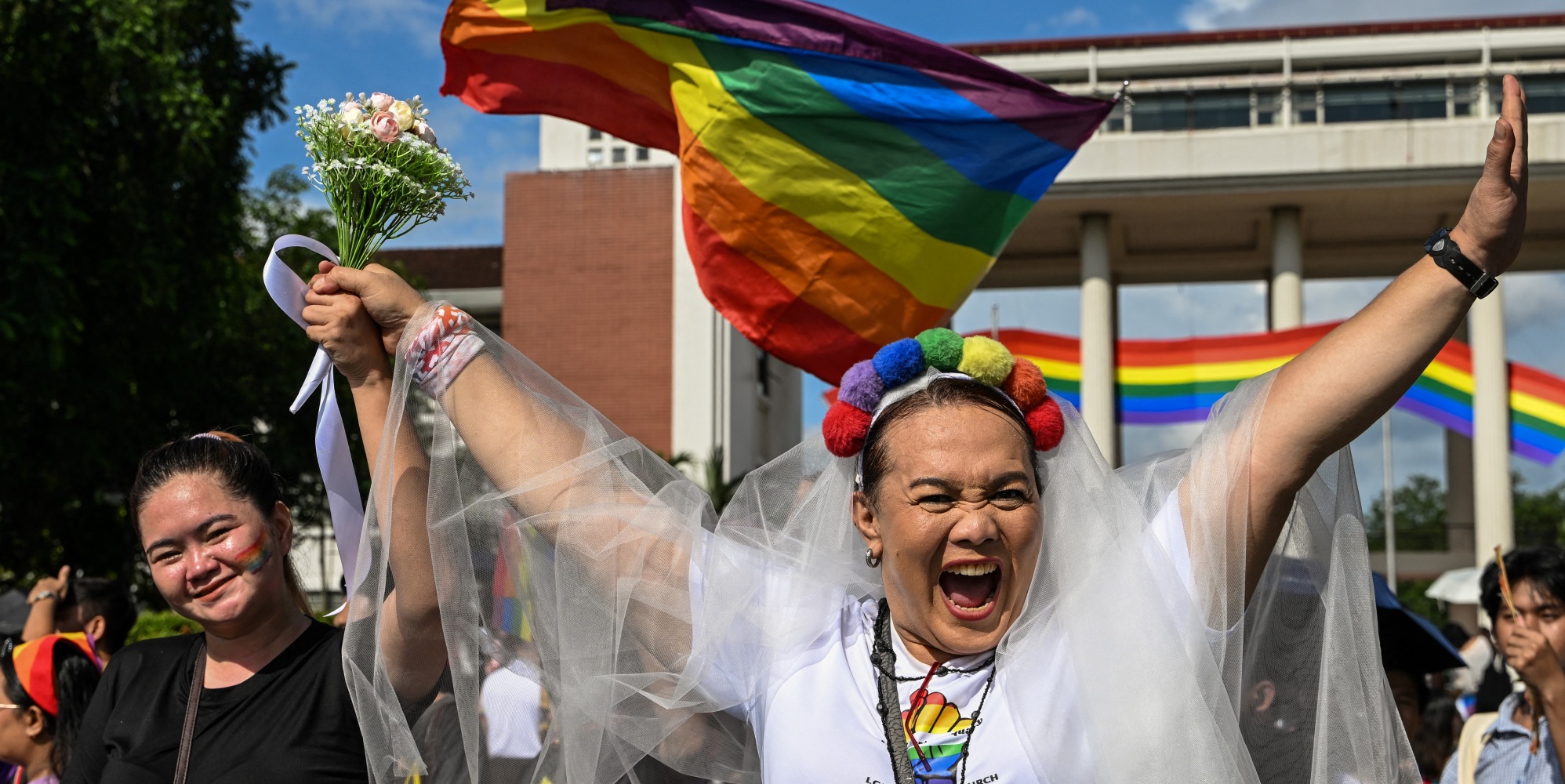
"The Supreme Court of the Philippines has ruled that same-sex couples who live together may be recognised as co-owners of property acquired during their relationship, provided there is clear proof of actual contribution. In a decision put into effect on February 5 and penned by Associate Justice Jhosep Lopez, the Court clarified that because same-sex marriage is not yet legally recognised in the country, property relations between same-sex partners are governed by Article 148 of the Family Code."
"Unlike Article 147, which presumes joint ownership for couples legally eligible to marry, Article 148 applies to couples prohibited from marriage and requires evidence of each partner's financial or material contribution. READ MORE: Miss Universe Philippines Michelle Dee comes out as bisexual The case stemmed from a dispute between two women who purchased a house and lot in Quezon City during their relationship, registering the property under one partner's name."
"After their separation, one partner sought partition of the property, citing a signed acknowledgment in which the other admitted she had contributed about 50% of the purchase and renovation costs. Lower courts dismissed the claim, but the Supreme Court reversed those rulings, finding the acknowledgment sufficient proof of actual contribution under Article 148. The Court held that the petitioner is a co-owner entitled to a 50% share and may demand partition of the property in accordance with the Civil Code."
The Supreme Court of the Philippines ruled that same-sex cohabiting partners may be recognized as co-owners of property acquired during their relationship when clear proof of actual contribution exists. Because same-sex marriage is not legally recognized, property relations for such partners are governed by Article 148 of the Family Code, which requires evidence of each partner's financial or material contribution. The case involved two women who bought a house and lot in Quezon City registered under one partner's name; after separation, an acknowledgment of roughly 50% contribution formed the basis for partition. The Court found the acknowledgment sufficient and awarded a 50% share, allowing partition under the Civil Code.
Read at PinkNews | Latest lesbian, gay, bi and trans news | LGBTQ+ news
Unable to calculate read time
Collection
[
|
...
]