""Governor Mills' support for historic advances in tribal economic development, particularly her decision to allow LD 1164 to become law, marks an economic turning point for the Passamaquoddy people and for all Wabanaki Nations," said Chief William Nicholas Sr. of the Passamaquoddy Tribe at Indian Township in the initial news release, alongside other tribal chiefs."
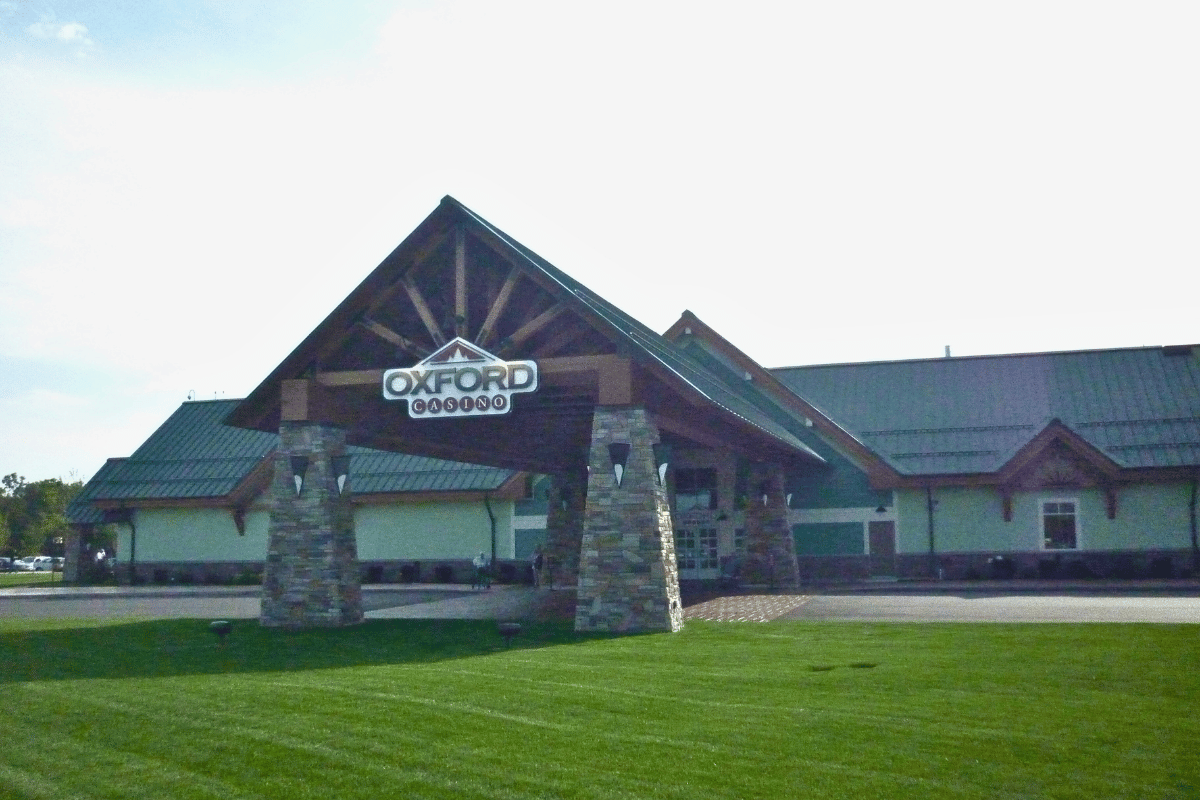
"In the filing, which names the defendant as being the Executive Director of the Maine Gambling Control Unit, the casino - which is one of two brick-and-mortar casinos in Maine - has alleged "the Legislature has blessed a race-based monopoly that will allow Maine Tribes alone to offer iGaming in every square inch of Maine.""
"Within the lawsuit, they state a study commissioned by The Innovation Group, called the Economic Impacts of iGaming Expansion, which they say shows that "land-based casino revenue drops by 16% on average after iGaming is introduced causing substantial job losses, hundreds of millions of dollars in lost economic output, and reduced tax contributions that fund public services.""
Oxford Casino filed a federal lawsuit challenging efforts to grant a monopoly on online casino-style gambling to four selected Indian tribes after Governor Mills allowed LD 1164 to become law. LD 1164 authorizes Maine tribal governments to operate online gambling to support tribal communities and economic development. Chief William Nicholas Sr. praised the decision as an economic turning point for the Passamaquoddy and Wabanaki Nations. The lawsuit names the Executive Director of the Maine Gambling Control Unit, alleges a race-based monopoly harming Maine businesses, and cites a study claiming significant revenue losses and reduced tax contributions after iGaming introduction.
Read at ReadWrite
Unable to calculate read time
Collection
[
|
...
]