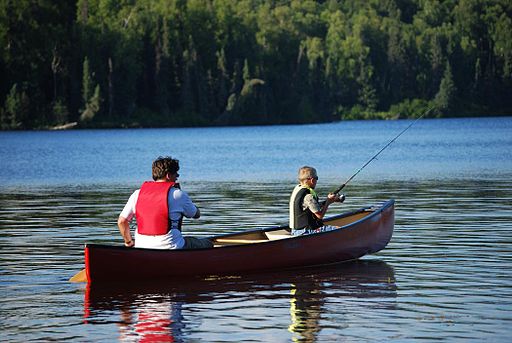
"To anyone familiar with the discovery process in U.S. litigation, involving production of millions of emails and other electronic records, and dozens of pre-trial depositions of witnesses, it may be surprising to learn that less than a century ago we allowed none of that. Trial was the place where documents were introduced and testimony taken. The idea of getting early access to the other side's evidence was widely derided as a fishing expedition, casting about for something you weren't sure existed."
"It took over twenty years of fierce infighting within the American Bar Association before the idea of requiring disclosure to an adversary was embraced and reflected in the 1938 Federal Rules of Evidence. Within a decade, the Supreme Court declared the corner fully turned: "No longer can the time-honored cry of 'fishing expedition' serve to preclude a party from inquiring into the facts underlying the opponent's case. Mutual knowledge of all the relevant facts gathered by both parties is essential to proper litigation.""
Modern U.S. discovery routinely involves production of millions of emails, electronic records, and numerous pre-trial depositions. Less than a century ago, evidence was introduced and testimony taken at trial, and early access to opposing evidence was derided as a 'fishing expedition.' The American Bar Association engaged in over twenty years of infighting before mandatory disclosure gained acceptance and was reflected in the 1938 Federal Rules. Within a decade the Supreme Court emphasized that mutual knowledge of all relevant facts is essential to proper litigation. Old taboos persisted, but the 1970 revision liberalized discovery and critics still used 'fishing expedition' or 'draining the swamp' objections. Broad discovery is critical in trade secret cases where misappropriation often occurs covertly.
Read at IPWatchdog.com | Patents & Intellectual Property Law
Unable to calculate read time
Collection
[
|
...
]