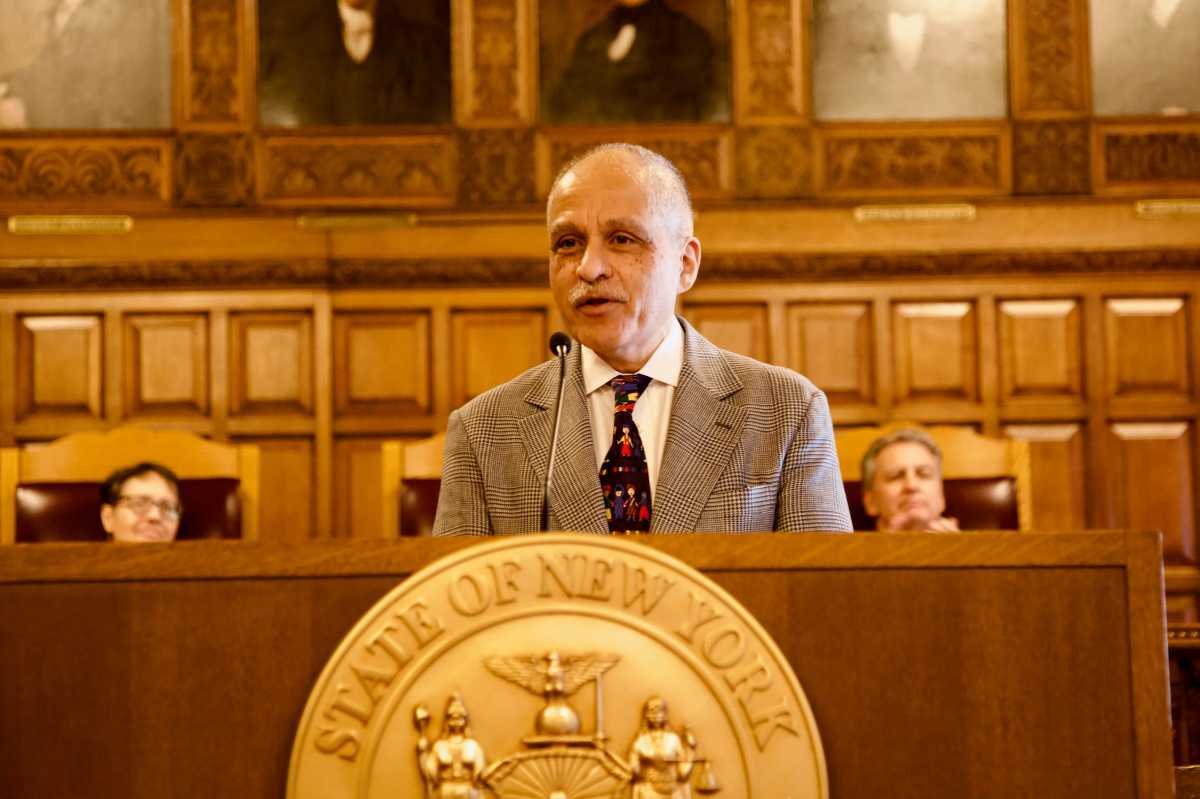
"Here, the confluence of factors including the bizarre circumstances surrounding the discovery of the videos and the long time period between their creation and their recovery raise doubts about their authenticity, and the agency simply failed to carry its burden to dispel those doubts, Chief Judge Rowan Wilson wrote on behalf of the court majority."
"The case rested on video evidence the FBI recovered from the computer of a man in Syracuse who was being investigated for child pornography. The man, referred to by initials B.W., claimed he had hacked into a security camera feed in the family's home from across the state years prior, and happened to witness an instance where the mother's boyfriend sexually assaulted her 14-year-old daughter."
"The Court of Appeals reversed the decision, holding the videos were inadmissible because the prosecution failed to sufficiently prove their reliability, and that without them, there was no evidence."
A state Court of Appeals dismissed a family court ruling that relied on video evidence allegedly showing sexual abuse of a minor. The videos were obtained from a hacker's computer during a child pornography investigation. The hacker claimed he had remotely accessed the family's security camera years earlier. While the family court found the videos reliable based on FBI investigator testimony, the appellate court reversed the decision, determining the prosecution failed to adequately prove the videos' authenticity. The court cited suspicious circumstances surrounding the videos' discovery and the extended time gap between their creation and recovery as raising authenticity doubts. Without the video evidence, no other evidence supported the abuse allegations. Two dissenting judges argued the majority set an impossible standard for defending against deepfake videos.
#video-evidence-admissibility #child-abuse-case #deepfake-detection #court-of-appeals-ruling #digital-evidence-authentication
Read at www.amny.com
Unable to calculate read time
Collection
[
|
...
]