"At an assisted-living home, Vinit Shinde lay paralyzed in bed attempting to suck on a lollipop. One of his aides had positioned the phone so that Vinit's brother and sister-in-law could see him. Eventually when the aide removed her hand from the stick holding the lollipop in Vinit's mouth, he seemed to gag, trying to activate any muscles of his jaw, tongue, and throat to stop the lollipop from entering his throat or dropping out of his mouth."
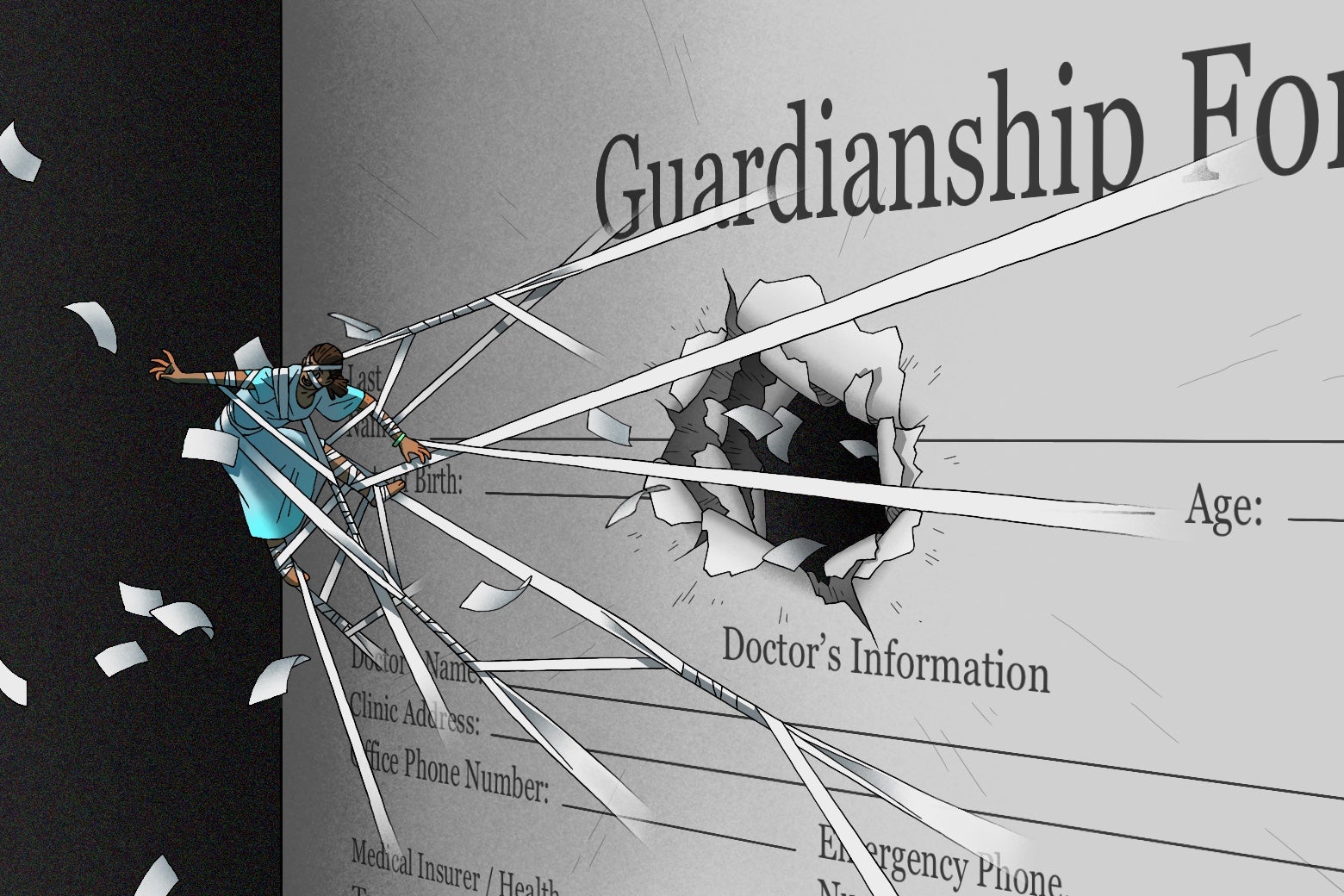
"Vinit is now one of an estimated 1.3 million adults in the U.S. living under guardianship, whose guardians control roughly $50 billion in assets. Across the country, these arrangements are typically under the control of an insular group of state judges and lawyers, who take on financial, legal, and medical decisions for people who may be elderly or otherwise mentally incapacitated."
In January 2018, Vinit suffered a severe brain aneurysm at 45 and was deemed in an extreme vegetative state, lacking mood, cognitive, executive, language, and memory functions. He remains alive with a feeding tube and full-time care. Fulton County Probate Court transferred guardianship of his nearly $1 million estate and future medical decisions from his brother to his ex-wife and court-appointed attorneys. He is one of an estimated 1.3 million adults living under guardianship in the U.S., with guardians controlling roughly $50 billion in assets. Guardianships are typically managed by state judges and lawyers who make financial, legal, and medical decisions, and wards often have little recourse to change those arrangements, creating ethical, legal, and cultural dilemmas for families.
Read at Slate Magazine
Unable to calculate read time
Collection
[
|
...
]