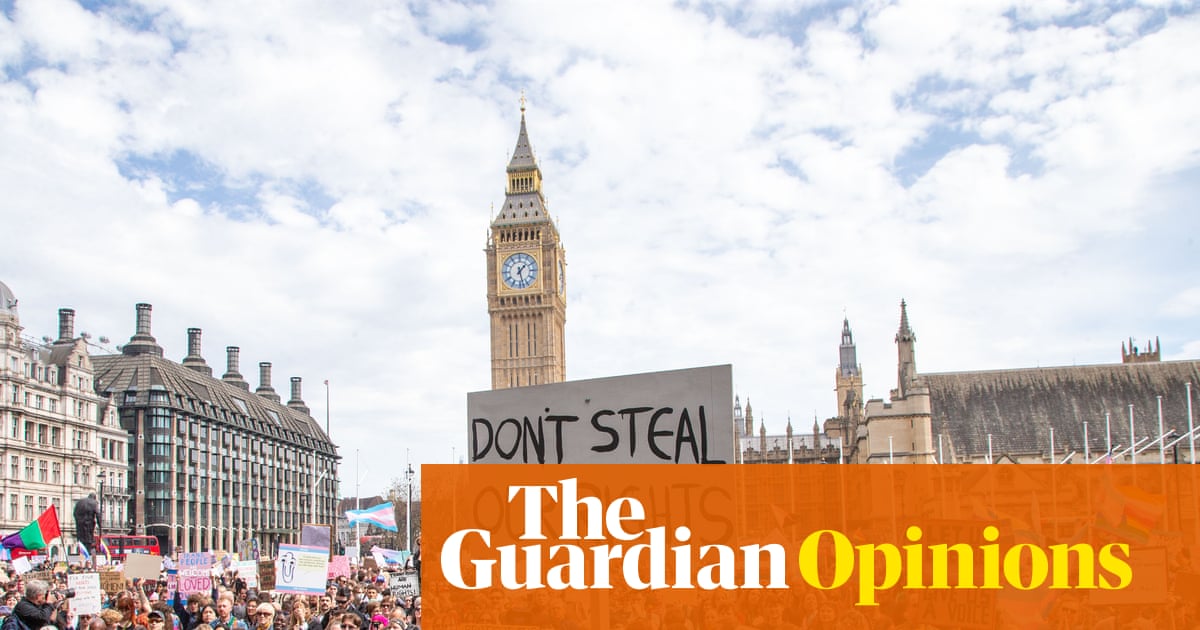
A Supreme Court ruling in the UK required that “man” and “woman” in the Equality Act refer to biological sex, disrupting decades of legal understanding. The decision was celebrated by gender critical campaigners and welcomed by ministers. Although the ruling said it would not disadvantage trans people, the Equality and Human Rights Commission attempted to implement it in ways that removed prior protections. Initial EHRC advice suggested trans people should be excluded from services or associations for men or women, or for gay and lesbian people, even when organizations wished to include them. This approach drew widespread criticism and led to changes in draft guidance. The revised guidance provides a route for associations to continue including trans people, such as by operating for multiple protected characteristics, and uses softened language.
"Things have been getting worse, but until recently, my life as a transgender woman had not been consumed with worrying about how I'm supposed to live it. That is, until last year's UK supreme court ruling. In fact, when I've worried about needing a bathroom or felt hesitant about taking up space when invited to join a women's network, it's been other women who have made me feel welcome and pushed me to stop worrying. This was the reality for many trans people in the UK until 2025, when the court decided that man and woman in the Equality Act must refer to biological sex, upending decades of shared understanding of the law."
"We saw the decision greeted with laughter and celebration by gender critical campaigners, and welcomed by ministers. Despite the court saying its decision would not disadvantage trans people, the Equality and Human Rights Commission (EHRC) tried to implement it in a way that tore up previous protections. The EHRC's initial advice stated that trans people should be excluded from any service or association for men or women, or gay and lesbian people, that matches their gender whatever the wishes of the organisations running them. The regulator left no glimmer of inclusion for trans people suggesting that even inclusive social groups such as the Women's Institute should be forced to exclude us, which it reluctantly later did."
"The EHRC faced widespread criticism for this approach, leading to changes to the draft guidance published last week. The new version contains just the thinnest cushioning on trans equality. There is now a route for associations to carry on including us, meaning the aforementioned Women's Institute may be able to think again by operating as an association for multiple protected characteristics. The language of the document has also softened slightly, into a more poli"
Read at www.theguardian.com
Unable to calculate read time
Collection
[
|
...
]