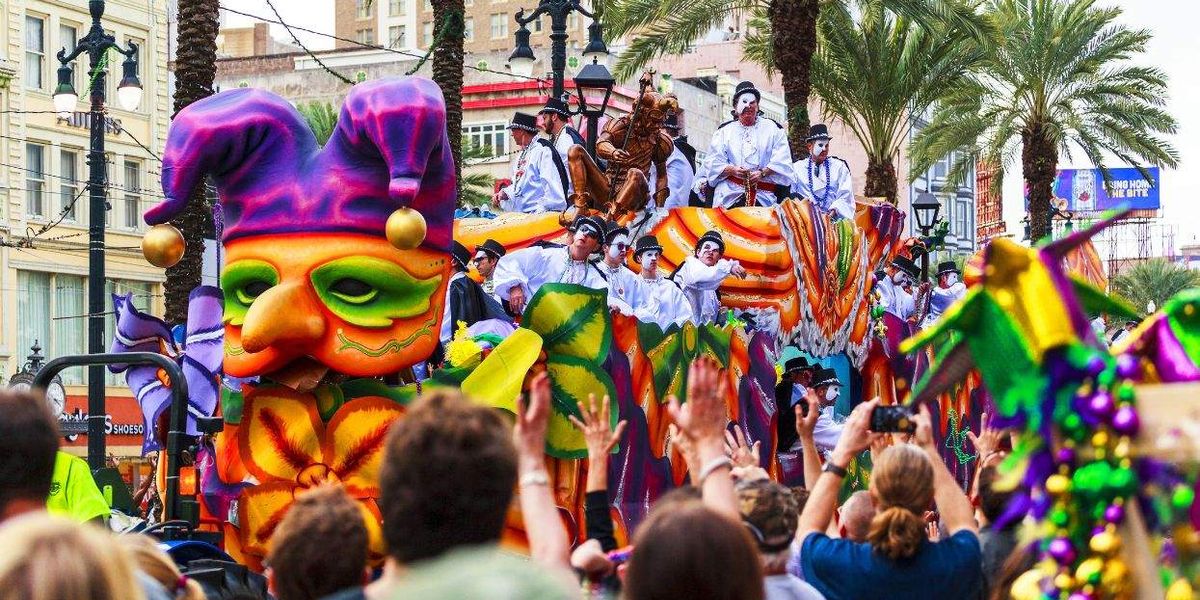
"New Orleans is a city that knows how to have a good time - after all, its unofficial motto is "Laissez les bons temps rouler," which translates to "Let the good times roll." The LGBTQ+ community knows how to have a good time too, and queer people have long played a key role in the Big Easy's biggest party of the year, Mardi Gras, which falls next Tuesday."
"Mardi Gras - Fat Tuesday - marks the end of the Carnival season, which begins January 6, a day observed by Christians as Epiphany, marking the arrival of the three wise men bringing gifts to the infant Jesus. There is a religious connection to Mardi Gras; the next day is Ash Wednesday, a day of penitence and the beginning of Lent, a 40-day period of fasting and prayer for Catholics and some other Christian denominations that lasts until Easter."
"Mardi Gras celebrations date to medieval Europe, and French people colonizing North America brought the tradition with them. New Orleans was founded in 1718, and the earliest Mardi Gras observances were in the 1730s, according to the official Mardi Gras New Orleans website. At that time, the festivities were high-society balls. By the 1830s, the general population could join in the fun, as there were torchlight street processions through the city, and a few decades later, the parades began,"
New Orleans celebrates Mardi Gras as its largest annual festival, reflecting the city's motto "Laissez les bons temps rouler." Queer people have long been integral to the Mardi Gras culture and festivities. Mardi Gras, or Fat Tuesday, ends the Carnival season that begins on January 6, Epiphany, and immediately precedes Ash Wednesday and the 40-day Lent of fasting and penitence. The celebration has Catholic origins but attracts participants of all faiths and none. The tradition arrived with French colonists; New Orleans saw high-society balls in the 1730s, public torchlight processions by the 1830s, and later organized parades.
Read at Advocate.com
Unable to calculate read time
Collection
[
|
...
]