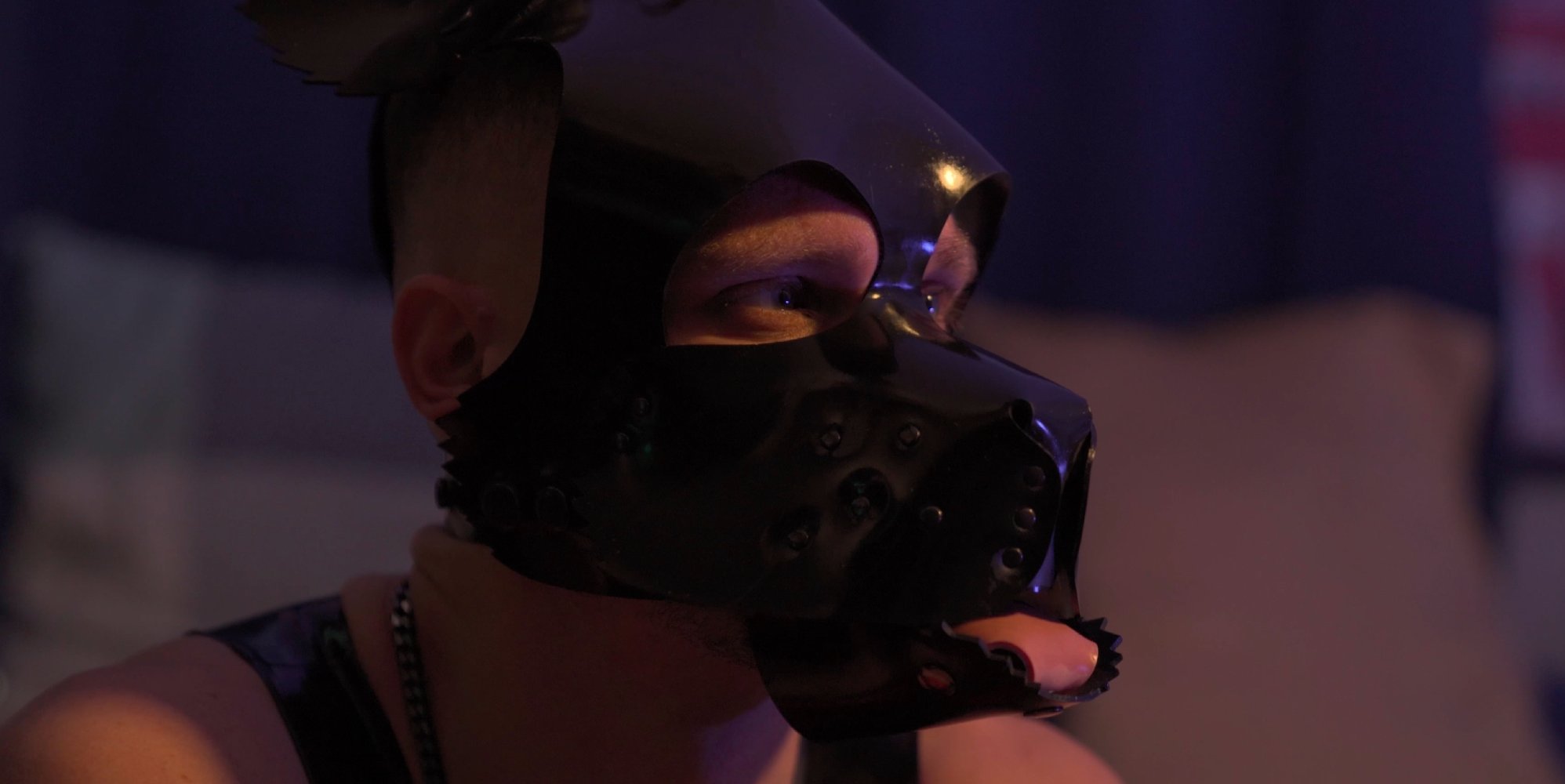
"A friend of mine, Mike, said, 'Well, actually, I'm not kinky. I'm HIV-positive - undetectable, but HIV-positive.' He explains that when Mike says when he first got his diagnosis, he was 'ostracised by almost everyone' he met. Mike told Momo: 'They felt threatened by me. The only community that did not push me away was the kink community.'"
"I think a great thing for the rest of the wider society to learn from is that, in the kink community, we inherently accept one another, we respect each other, even in the absence of understanding what our kinks are. I would say in wider society, it even compares to xenophobia in the modern world, where people often naturally have a fear of things that they don't understand, or that are different."
"Momo says his community has an 'unspoken understanding and respect' for each other, regardless of their interests. Speaking of Mike, he adds: 'There Mike found acce'"
Kink communities are often stigmatized by outsiders due to ignorance or misinformation, yet they can function as a refuge for people who feel excluded from broader LGBTQ+ spaces. A London-based Indian visual artist creates moving-image and photography work focused on stereotypes and stigma around lesser-known communities, aiming to spark conversation through emotion and relatability. In Belonging & The Scene, Dutch Pup Momo describes a friend, Mike, who found acceptance in the kink community after an HIV diagnosis. Mike reported being ostracized by nearly everyone he met, while the kink community did not push him away. Momo links this safety to inherent acceptance and respect, even without understanding each other’s kinks, and compares wider societal fear of difference to xenophobia.
Read at PinkNews | Latest lesbian, gay, bi and trans news | LGBTQ+ news
Unable to calculate read time
Collection
[
|
...
]