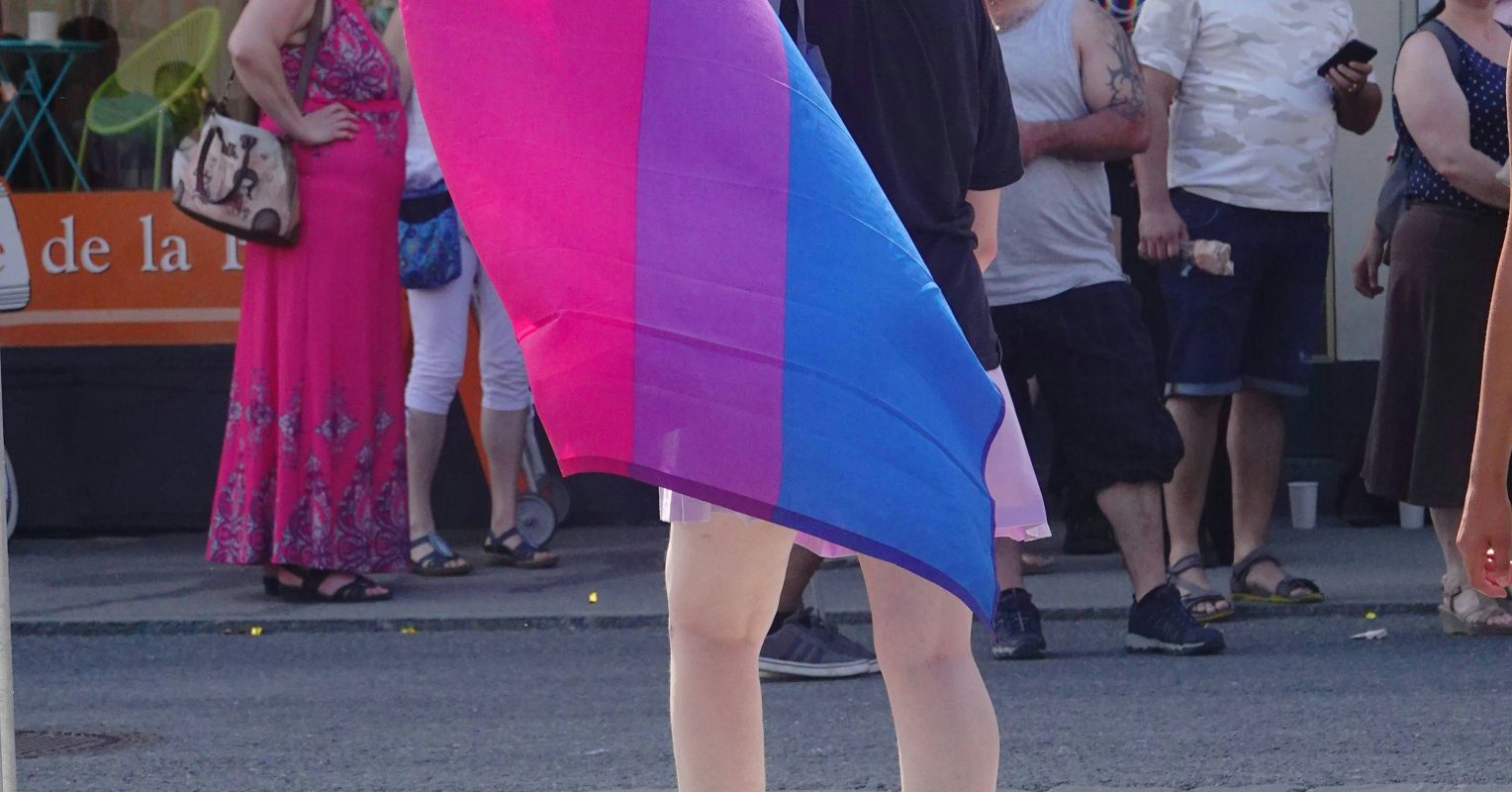
Since 1989 the proportion of American adults identifying as bisexual has tripled. University of Portland researchers used three iterations of the General Social Survey, finding 3.1 percent in 1989–1994, 9.3 percent in 2012–2018, and 9.6 percent in 2021. Most bisexuals are women (3.7 percent versus 1.6 percent of men). Bisexuality is more common among younger Americans, who are about three times likelier than those over 40 to claim it. Greater psychological safety, clustered sexual experimentation among youth, and increasing sex- and gender-fluid norms likely contribute to rising identification. Alfred Kinsey described a sexual continuum that included bisexuality, while some researchers historically denied bisexuality as a stable orientation. Bisexual organizations emerged in the 1970s and media attention intensified in 1974.
"The evidence suggests that bisexual people feel psychologically safer admitting who they are and living as bi. In 2024, University of Portland, Oregon, researchers tracked bisexual preference in three iterations of the General Social Survey (GSS), a huge, ongoing, authoritative study of Americans' lives. In the 1989-1994 GSS, 3.1 percent of respondents claimed bisexuality. In the 2012-2018 GSS, it was 9.3 percent. In 2021, it was 9.6 percent, triple the 1989 proportion."
"Most bisexuals are women (3.7 percent vs. 1.6 percent of men). Bisexuality also skews young. Compared with those over 40, younger Americans are three times more likely to claim it. Why the age difference? That's not entirely clear, but sexual experimentation clusters among the young, and as the culture becomes more sex- and gender-fluid, bisexuals may feel more comfortable coming out."
Read at Psychology Today
Unable to calculate read time
Collection
[
|
...
]