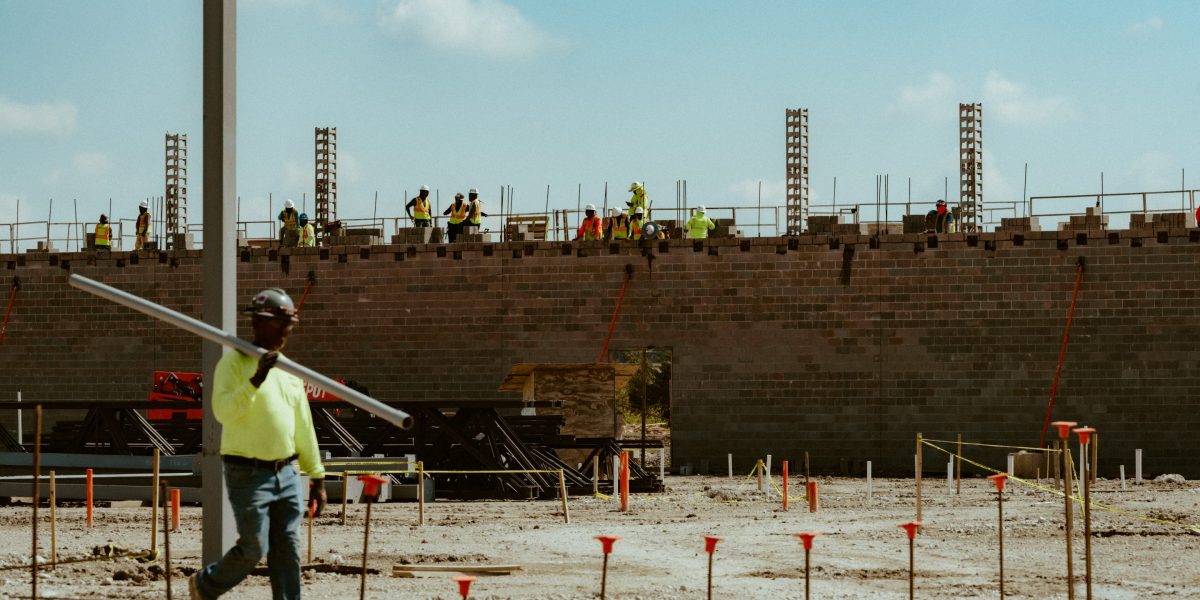
"New data released Thursday shows that the five fastest-growing cities in the United States-every single one-are in Texas. Four clusters in the suburbs of Dallas-Fort Worth. The fifth sits outside Houston. None has more than 65,000 residents. And collectively, they represent a snapshot of how-and where-American aspiration is moving."
"Celina, a city of 64,427 located about 35 miles north of downtown Dallas, grew by 24.6% between July 2024 and July 2025 - the fastest rate of any U.S. city with a population over 20,000. It held the same title in 2023. For two years running, the fastest-growing city in the wealthiest country on Earth is a place most Americans couldn't find on a map."
"Right behind it: Fulshear (+21.0%), Princeton (+18.1%), Melissa (+14.5%), and Anna (+10.2%). These aren't flukes. They're a pattern. And to understand why they're growing so fast, you have to understand what they have that New York, Los Angeles, and Boston don't: the legal and political permission to build."
"Texas doesn't put a ceiling on growth. There are no state-level restrictions capping development, no permitting regimes that take years to navigate, and no zoning codes that effectively wall off new construction to protect the property values of existing homeowners. When demand arrives in Fulshear, houses get built. That simple fact-so mundane it sounds almost accidental-is the engine behind the Census data."
The Census Bureau data shows that the five fastest-growing U.S. cities are all in Texas, with four located in the Dallas–Fort Worth suburbs and one outside Houston. None of these cities has more than 65,000 residents, and together they reflect where American aspiration is moving. Celina, Texas, with 64,427 residents, grew 24.6% between July 2024 and July 2025, repeating the top growth title from 2023. Fulshear, Princeton, Melissa, and Anna also posted strong growth rates. The growth pattern is linked to Texas allowing development, with fewer state-level restrictions, faster permitting, and zoning rules that do not block new construction to protect existing property values.
Read at Fortune
Unable to calculate read time
Collection
[
|
...
]