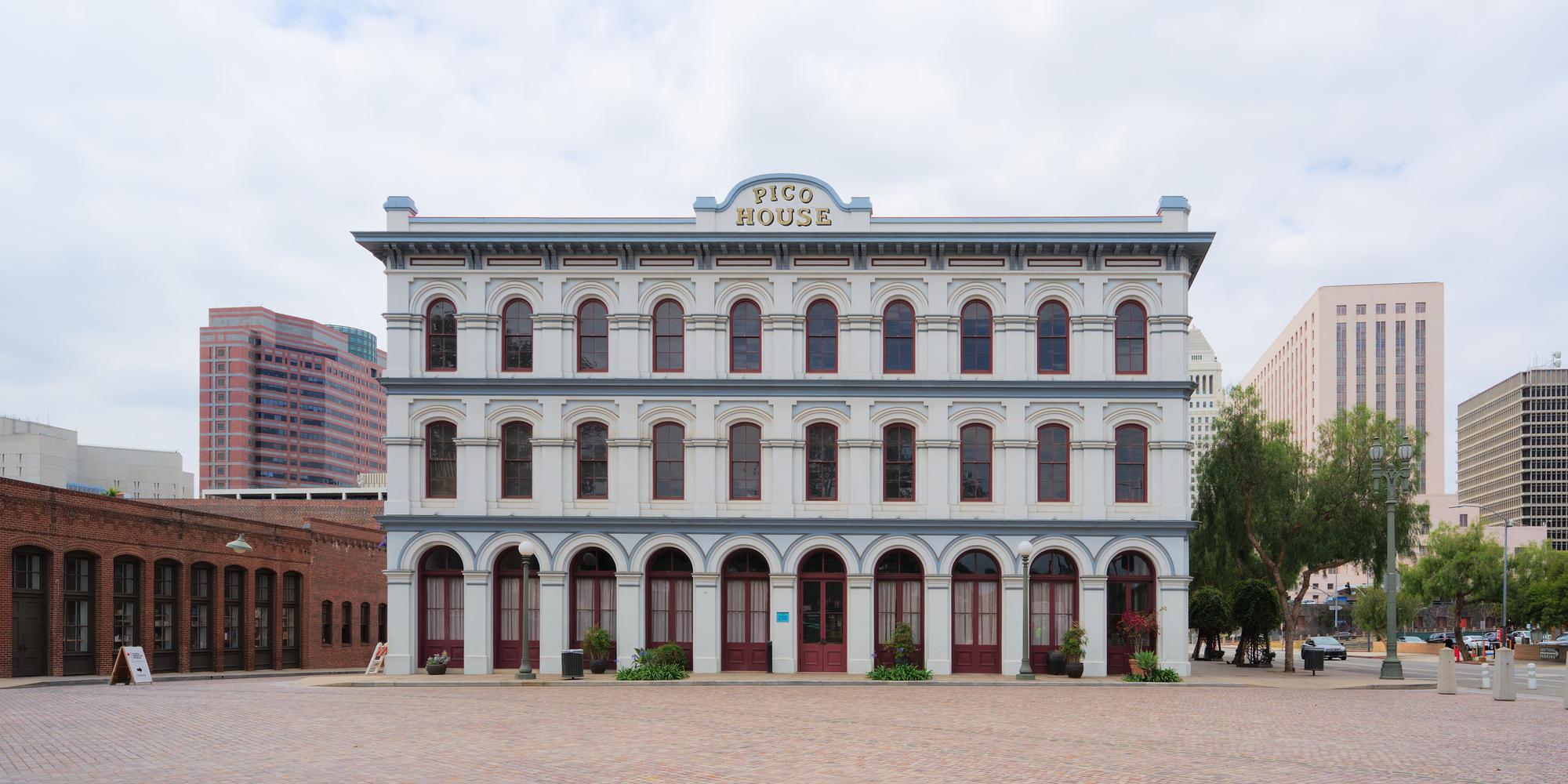
"Los Angeles did not originate from the standardized American land system that defines most of the United States' territory. Instead, it is a product of the Spanish urban tradition in the Americas, which followed a structure repeated across major cities on the continent."
"When Los Angeles was founded in 1781 as a pueblo by Felipe de Neve, it was an outpost of the Viceroyalty of New Spain, which was a vast political division stretching from southern Costa Rica to Alta California."
Los Angeles' urban landscape reflects 20th-century sprawl and automotive infrastructure, but its origins are rooted in Hispanic heritage. Founded in 1781 as a pueblo, Los Angeles emerged from the Spanish urban tradition, differing from the standardized American land system. The city's development was influenced by the political divisions of the Spanish territories, particularly the Viceroyalty of New Spain. This historical context established a unique urban geometry, evident in contemporary street patterns, shaped by missions, presidios, and pueblos.
Read at ArchDaily
Unable to calculate read time
Collection
[
|
...
]