"The main issue at hand is that AI-generated content does not have a human creator. Current laws relate to a human originator of such content and the protection of human entities in copyright cases. Thaler has been pursuing copyright protection for his AI-generated work since 2018, but has been unable to gain traction in changing the law or pushing for a reinterpretation of existing copyright statutes by pointing to technological developments."
"The U.S. Copyright Office, along with other copyright regulators around the world, has repeatedly rejected applications for copyright protections on AI art, according to The Verge, due to the requirement that there be a human creator of any works that can be legally protected in this way."
"According to the Copyright Office, generative AI outputs are copyrightable in part, such as when AI is used as a tool, and where a human has been able to determine the expressive elements they contain. But prompts alone, at this stage at least, are unlikely to satisfy these requirements."
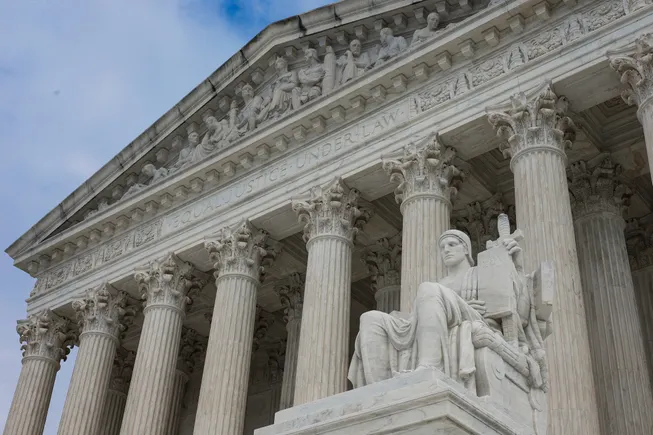
The U.S. Supreme Court declined to hear a case from computer scientist Stephen Thaler seeking copyright protection for AI-generated visual art, reinforcing that artificial intelligence-created works cannot be legally owned. Current copyright law requires human originators, and the U.S. Copyright Office has consistently rejected copyright applications for AI art. However, AI-generated content may be partially copyrightable when AI serves as a tool with human-determined expressive elements. Prompts alone do not currently satisfy copyright requirements. This legal precedent has significant implications for brands and creators using generative AI tools, as they cannot legally own AI-generated characters or styled materials despite increasing market availability of such applications.
#ai-copyright-law #generative-ai-legal-rights #intellectual-property #supreme-court-decision #ai-generated-content-ownership
Read at www.socialmediatoday.com
Unable to calculate read time
Collection
[
|
...
]