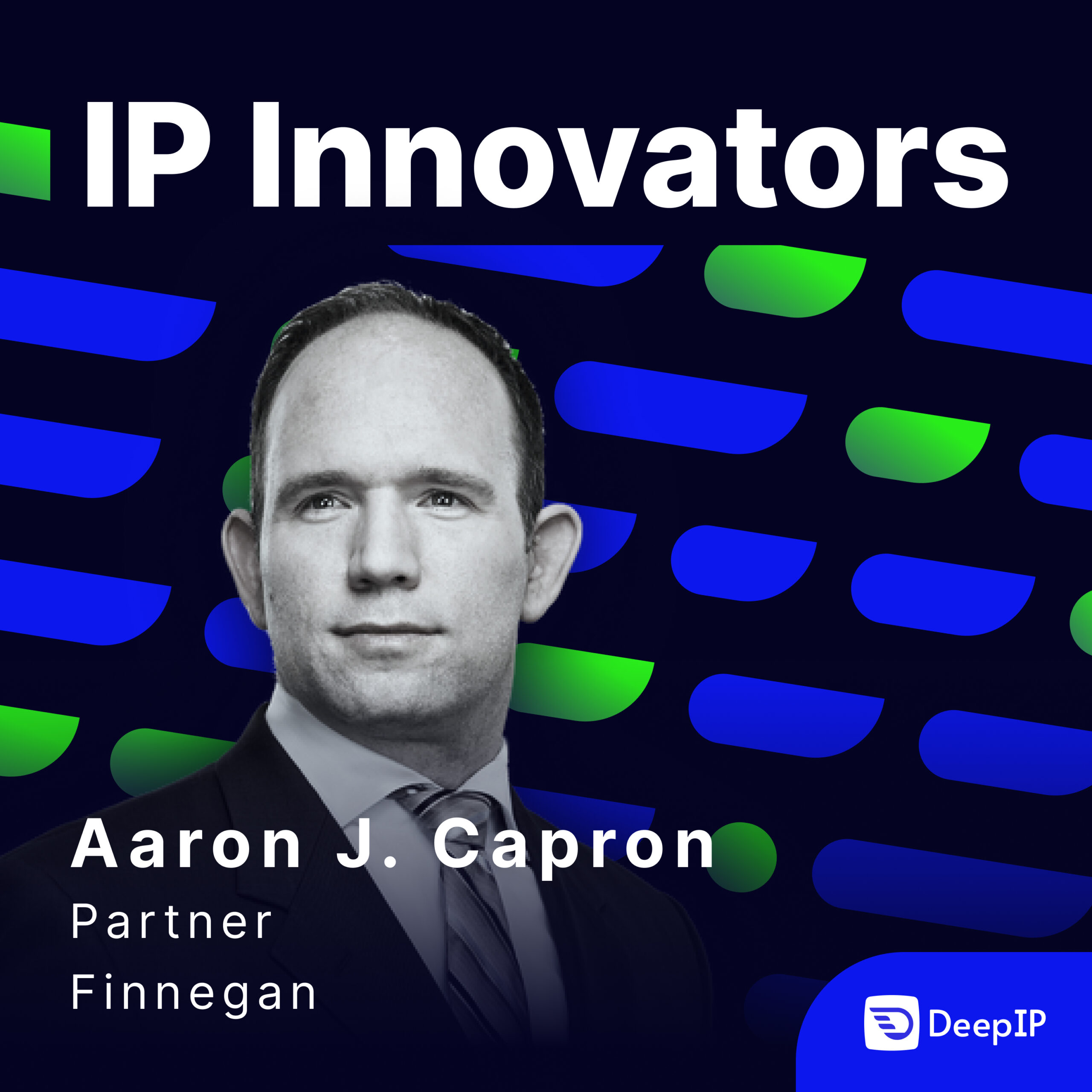
"Capron's reflections on his time at the U.S. Patent and Trademark Office (USPTO) shed light on how applications are understood and managed internally-knowledge that becomes increasingly relevant as AI and hybrid technologies blur traditional classification boundaries. For practitioners working in fields that sit between software, hardware, and data-such as machine learning chips, model training systems, or quantum control algorithms-small claim-framing decisions can influence classification, which in turn affects which art unit reviews the case, the types of rejections expected, and even the pace of examination."
"Capron also highlights how examiner experience shapes effective advocacy: "You [can draw upon] what arguments worked on you, what arguments worked on your primary...As an attorney on the other side, you can apply that accordingly." As drafting accelerates and more teams lean on templates, automation, or model-assisted writing, this kind of examiner-oriented logic becomes increasingly valuable. Filings that mirror the way examiners evaluate claims-clean mapping, consistent terminology, and a clear tec"
Patent prosecution must adapt across AI, quantum computing, semiconductors, and other rapidly developing fields. Examiner-oriented thinking improves claim drafting, classification outcomes, and examination strategy. Applications that map claims clearly, use consistent terminology, and anticipate examiner reasoning reduce unexpected rejections and delays. Fields that combine software, hardware, and data require careful claim framing because classification affects art unit assignment and likely rejections. Robust infrastructure for managing complex portfolios is critical as prosecution scales. Legal technology and AI tools require thoughtful integration into practice rather than blind adoption to preserve advocacy quality and procedural effectiveness.
Read at IPWatchdog.com | Patents & Intellectual Property Law
Unable to calculate read time
Collection
[
|
...
]