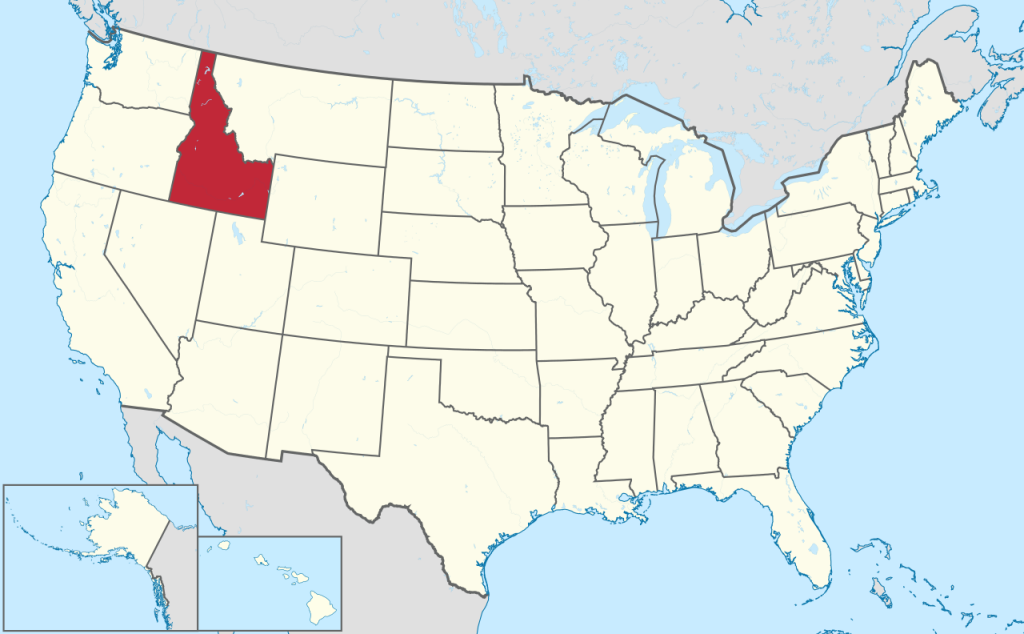
The Federal Circuit dismissed an interlocutory appeal in Micron Technology, Inc. v. Longhorn IP LLC for lack of appellate jurisdiction over a district court order imposing an $8 million bond under the Idaho Bad Faith Assertions of Patent Infringement Act. The jurisdictional ruling postpones resolution of whether Idaho's statute is preempted by federal patent law. Roughly thirty states have anti-patent-troll laws, but Idaho's identifies filing a complaint as a potentially unlawful communication, directly conflicting with the federal right to sue. Federal Circuit precedent generally preempts state liability based on patent enforcement unless assertions were objectively baseless and made in subjective bad faith. Appellants argued facial preemption; the State defended its regulatory power. The patentee must post the $8 million bond to continue the litigation pending final judgment.
"But, Idaho's is one of the more aggressive because it identifies filing a complaint (i.e., filing the lawsuit) as a potentially unlawful communication. That choice puts Idaho on direct collision course with federal patent law in ways that other state statutes have more carefully avoided. The problem is that patent law (supported by the U.S. Constitution) gives patentees the right to sue infringers for infringement."
"The appellants in this case, Longhorn IP and Katana Silicon Techs, argued that Idaho's attempt to regulate federal court pleadings is facially preempted because such filings are governed by federal patent law. Micron and the State of Idaho responded that the state has the right and power to regulate bad-faith patent assertions, regardless of whether the assertion appears in a demand letter or a complaint."
Read at Patently-O
Unable to calculate read time
Collection
[
|
...
]