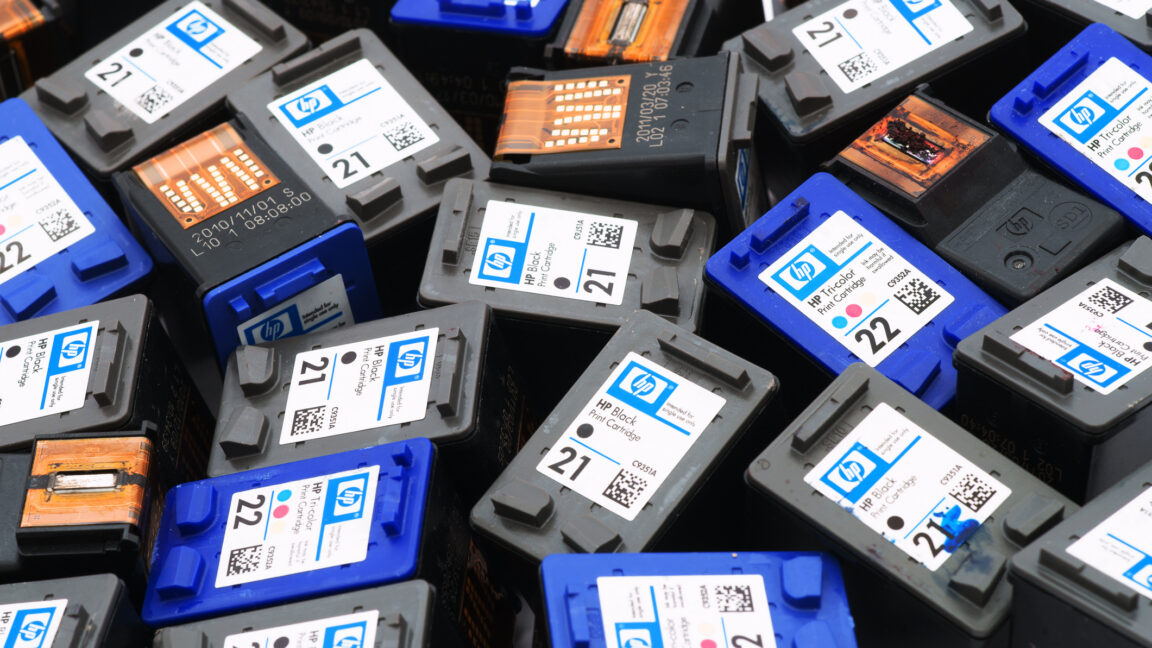
"HP's recent behavior is emblematic of a larger pattern. HP positions itself as a leader in sustainability, circular business models, and responsible product design, but instead of proactively aligning its products and practices with the highest environmental standards, such as EPEAT 2.0, HP puts profits first and waits until external scrutiny or the threat of non-compliance forces change."
"HP is the only one with lockout chips that are triggered using firmware "upgrades" that claim "security" as a justification for their existence. HP is the only one that misleads and frustrates its own customers when locking out the environmentally superior competition."
EPEAT 2.0 establishes environmental criteria for printers, including manufacturer availability of remanufactured cartridges for registered products. Currently, 38,291 devices are registered under EPEAT 1.0, while only 163 products exist under the newer EPEAT 2.0 registry, with no printers yet registered. The International ITC criticizes HP for releasing firmware updates across eleven printer models that trigger lockout chips, preventing compatible third-party cartridges. This behavior contradicts HP's public positioning as a sustainability leader. The firmware updates preceded EPEAT 2.0's launch, suggesting deliberate timing. HP uniquely employs firmware-triggered lockout mechanisms justified as security measures, misleading customers while blocking environmentally superior alternatives. Other manufacturers have not employed similar tactics.
#epeat-20-environmental-standards #hp-printer-firmware-lockout #cartridge-compatibility-restrictions #sustainability-claims-vs-practices #circular-economy
Read at Ars Technica
Unable to calculate read time
Collection
[
|
...
]