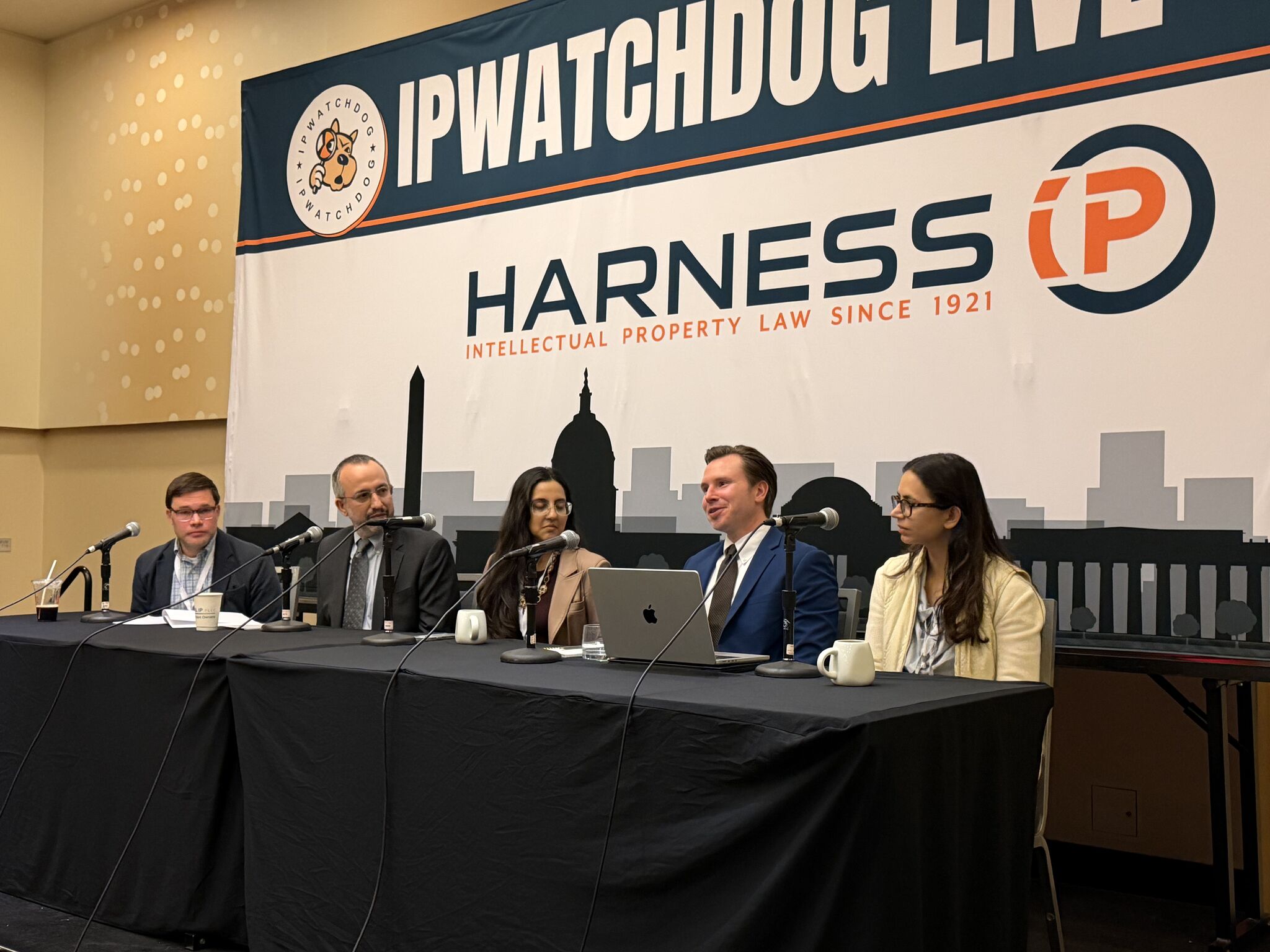
"The pace of change has created a prosecution environment where the strategies that worked 18 months ago may actively undermine a patent application filed today."
"Harrier opened by naming the structural problem that makes AI patent prosecution uniquely difficult: the guidance-to-practice gap. New memos from the USPTO do not instantly reshape examiner behavior."
"Practitioners face their own version of the same problem with clients. Inventors may not be aware of the latest guidance, leading to misalignment in patent application strategies."
Since 2024, the USPTO has released several AI-specific guidance documents affecting inventorship and subject-matter eligibility. The evolving nature of these guidelines has created a challenging environment for patent applications, where strategies that were effective 18 months ago may hinder current applications. The session at IPWatchdog LIVE 2026 emphasized the need for a prosecution philosophy that can withstand future changes. The guidance-to-practice gap complicates matters, as examiners may not immediately adopt new guidelines, leading to discrepancies between current practices and outdated examiner instructions.
Read at IPWatchdog.com | Patents & Intellectual Property Law
Unable to calculate read time
Collection
[
|
...
]