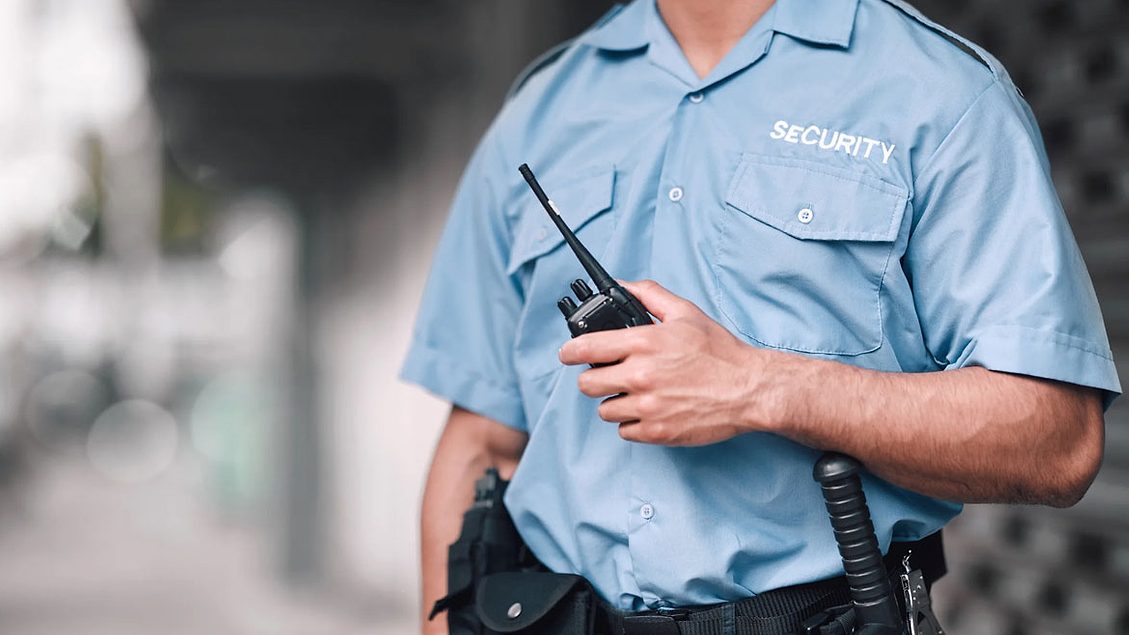
"No, not entirely. Security personnel are assigned to a variety of sites. Some can have no need for use of force while others may require use of force interventions on a regular basis. What can't be controlled completely is human behavior. Security assigned to a quiet post may unexpectedly be called upon to intervene."
"This training needs to be robust and not just a 4-hour course where the guard is handed a set of handcuffs at the end. Security personnel require in-depth training that teaches them legal authorities, liabilities and tactical controls. In addition to use of force tactics training, security personnel need to be trained in de-escalation techniques, professional communication and situational awareness."
"Use of force is overboard when it is not the minimum force needed to overcome the situation. If a situation can be overcome by security presence at a situation or through verbal dialogue, force should not be used."
Use of force in security operations cannot be completely eliminated due to unpredictable human behavior, though its necessity varies by site. Security personnel must conduct site assessments to identify threats and risks requiring potential force interventions. Personnel assigned to higher-risk locations need robust, in-depth training covering legal authorities, liabilities, tactical controls, de-escalation techniques, professional communication, and situational awareness—not merely basic certification courses. Use of force becomes overboard when it exceeds the minimum force necessary to resolve a situation. When security presence or verbal dialogue can resolve incidents, force should not be employed. Strategic use of force as a final tool, combined with proper training and assessment protocols, makes discussing use of force a practical rather than controversial security topic.
Read at Securitymagazine
Unable to calculate read time
Collection
[
|
...
]