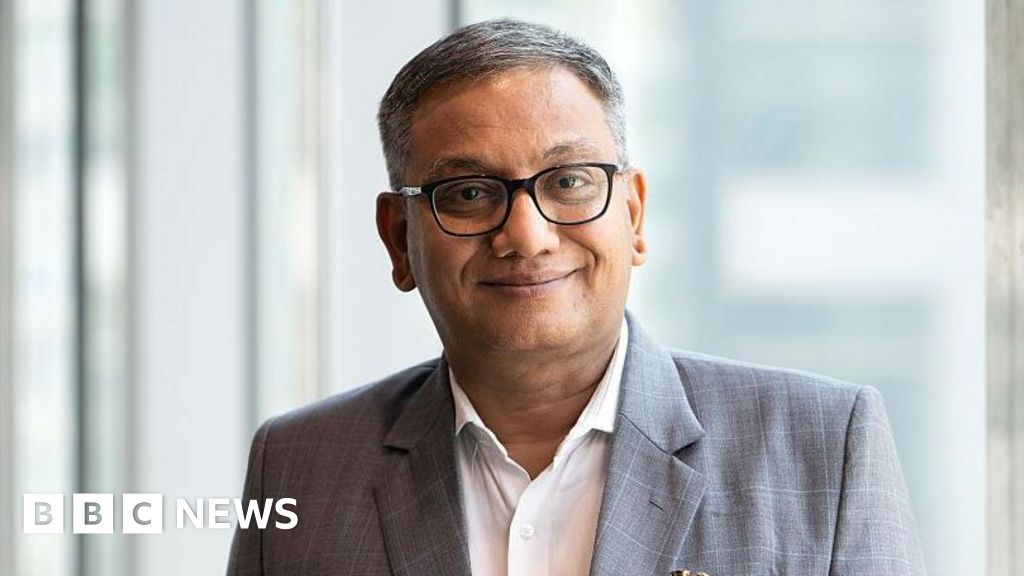
"It was in the public domain where many people could see it, and get cheated into buying or selling stocks, as if I'd recommended them. When we see an incident like this, we immediately lodge a complaint. We go to Instagram and other places where it's posted to get the video taken down. And we regularly write to the market warning people not to believe in fake videos."
"The latest data shows that over the past two years or so, we've seen an increase of almost 3,000% in the number of deepfakes being utilized. One of our employees in Europe received an audio message and a text message from someone alleging to be me, urgently requesting some help from me."
"The message was on WhatsApp, which for us is not a sanctioned communication channel. Also, we have corporate sanctioned mobile devices and this came in via his personal phone. So that made him think this was potentially a little murky, a little fishy."
Deepfake technology poses escalating threats to financial markets and corporate security. A fabricated video of the Bombay Stock Exchange CEO circulated on social media, falsely recommending stocks to defraud investors. The CEO emphasized the difficulty in measuring impact and preventing losses from misinformation. Deepfake incidents have surged dramatically, with a 3,000% increase over two years according to LastPass leadership. The LastPass CEO himself became a deepfake target when an employee received fraudulent audio and text messages impersonating him requesting urgent assistance. The employee's skepticism—noting the communication occurred via unsanctioned channels and personal devices—prevented the scam's success. These incidents highlight vulnerabilities in both financial systems and corporate security protocols.
Read at www.bbc.com
Unable to calculate read time
Collection
[
|
...
]