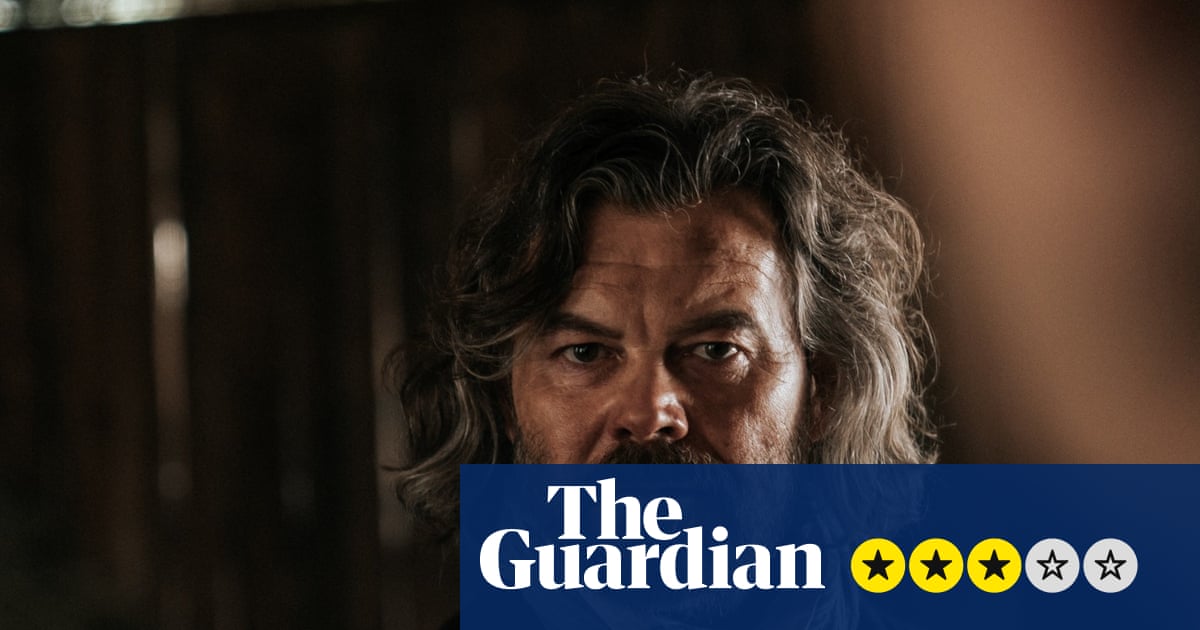
"The year is 1794, and it's not long since the American war of independence has finished, in which Polish hero Tadeusz Kos Kosciuszko fought valiantly on the side of the American rebels."
"Kos is accompanied by his friend Domingo, a freed slave and top marksman, and together the two of them are hoping to start something in Poland and get the peasants revolting against the oppressive nobility."
"This puts Ignac at odds with his foppish yet brutal half-brother Stanislaw; after an assortment of side quests and intersecting subplots, everyone ends up at the home of a recently widowed woman in cahoots with Kos."
"The publicity for this keeps pushing the film's similarities to late period Quentin Tarantino, especially the period stuff like Inglourious Basterds or Django Unchained; thankfully, this is much less self-indulgent, pacier and way more serious."
The film unfolds over one evening in a candlelit setting, focusing on Tadeusz Kosciuszko's return to Poland after the American War of Independence. Accompanied by Domingo, a freed slave, they aim to incite a revolt against the oppressive nobility. The narrative intertwines with Ignac Sikora, the illegitimate son of a landowner, and his conflict with his half-brother Stanislaw. The climax occurs at a widow's home as a Russian cavalry unit arrives, drawing comparisons to Quentin Tarantino's works but maintaining a more serious tone.
Read at www.theguardian.com
Unable to calculate read time
Collection
[
|
...
]