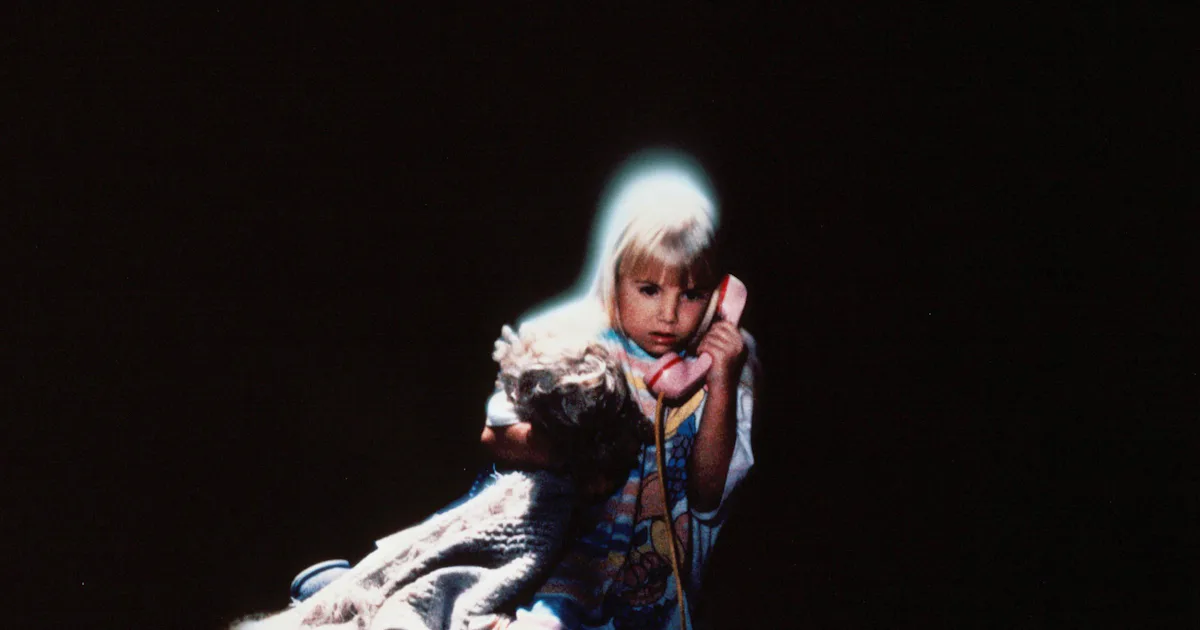
In 1982, the Freeling family faced unknown spirits and learned their home was built on a graveyard. The first film became a major commercial and critical success, making a sequel difficult to match. Four years later, Poltergeist II: The Other Side premiered and was quickly compared to the original. The sequel retained some writers and cast, but changed directors, and the original film’s tragedy involving Dominique Dunne affected perceptions. Despite mixed feelings, the sequel earned about $75 million on a $19 million budget. The story continues after the first film, focusing on existential dread, fear of dying, and family drama involving a child who is different, while emphasizing connections within spiritualism.
"In 1982, audiences met the Freeling family, a typical American suburban family dealing with unknown spirits and the revelation that their house was built on a graveyard. The Tobe Hooper-directed/Steven Spielberg produced was a huge commercial and critical success, amassing over $75 million-plus in the United States alone and becoming the highest-grossing film of the year."
"Four years later on this day, Poltergeist II: The Other Side debuted and, like most sequels, it was immediately compared to the original and deemed wanting. It's easy to see why. While original screenwriter Michael Grais and Mark Victor returned, director Tobe Hooper didn't, replaced by British director Brian Gibson."
"So while Poltergeist II: The Other Side still grossed $75 million at the box office, off a $19 million dollar budget, the overall feeling was mixed. Reviews were kind, but many felt the original movie didn't need to be continued."
"Where the first Poltergeist is a story of domesticity rocked by the pierced veil into the paranormal, Poltergeist II deals with the overt existential dread the Freelings are now aware of (having been to the other side and back), while dealing with the personal family drama of having a child different from the others."
Read at Inverse
Unable to calculate read time
Collection
[
|
...
]