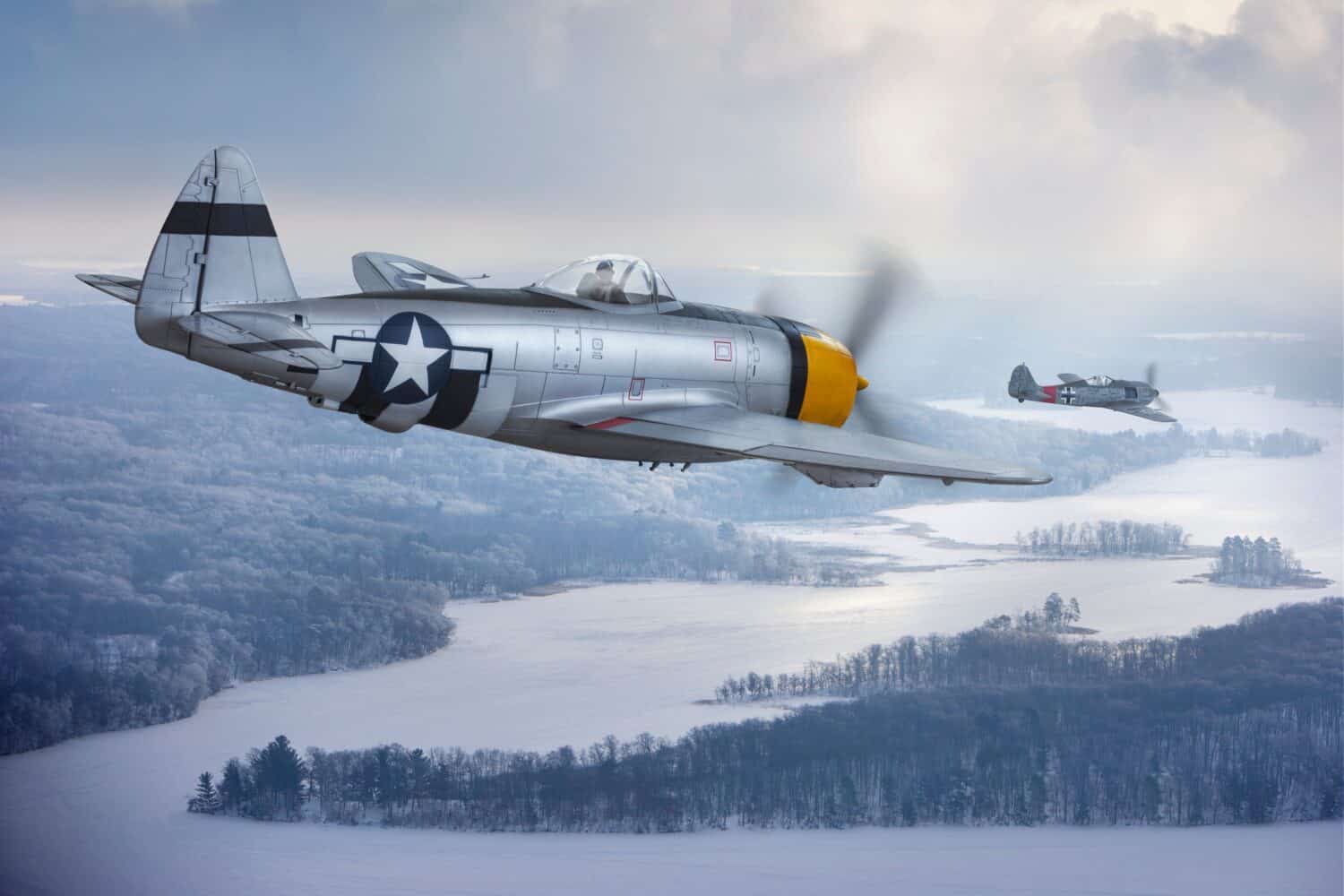
"Military aircraft are typically judged by specifications and engineering elegance. But sometimes combat history repeatedly shows that those measures can be misleading. Some aircraft entered service with obvious design flaws like limited range, handling issues, survivability concerns, or heavy maintenance demands. However, these aircraft still proved effective in war. Their success came not from perfection, but from how they were used, adapted, and integrated into real-world doctrine where strengths mattered more than shortcomings."
"Understanding why some military aircraft succeeded despite obvious design flaws helps explain how wars are actually fought rather than how they are expected to unfold. Combat conditions, doctrine, training, and mission selection often matter more than ideal specifications, allowing imperfect aircraft to deliver real results. By examining these platforms, we gain insight into how adaptability, context, and human decision-making can overcome engineering limitations and shape lasting military effectiveness."
Military aircraft are often judged by specifications and engineering elegance. Combat history can expose limits of those criteria. Many aircraft entered service with clear shortcomings such as limited range, poor handling, survivability vulnerabilities, or high maintenance requirements. Those platforms frequently achieved operational success because tactics, doctrine, training, and mission selection emphasized their strengths while mitigating weaknesses. Operational workarounds, adaptations, and integration into effective employment concepts often offset technical deficits. Evaluating platforms by wartime usage reveals how adaptability, context, and human decision-making can make imperfect designs strategically valuable. Historical examples span multiple nations and eras, reinforcing the pattern that practicality can trump technical perfection.
Read at 24/7 Wall St.
Unable to calculate read time
Collection
[
|
...
]