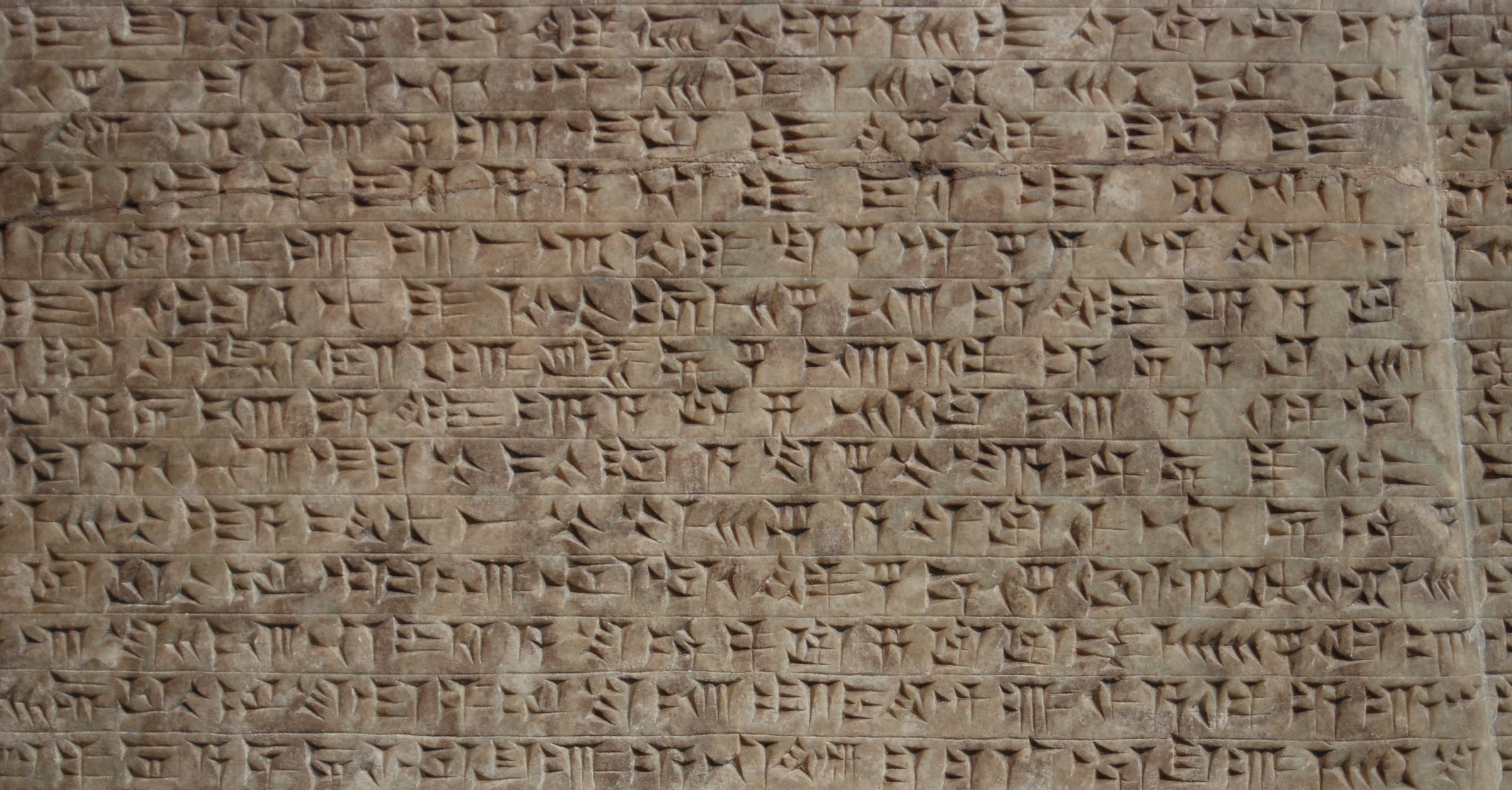
"Her compositions, though only rediscovered in modern times, remained models of petitionary prayer for [centuries]. Through the Babylonians, they influenced and inspired the prayers and psalms of the Hebrew Bible and the Homeric hymns of Greece. Through them, faint echoes of Enheduanna, the first named literary author in history, can even be heard in the hymnody of the early Christian church."
"Sargon placed enormous trust in Enheduanna in elevating her to the position of high priestess of the most important temple in Sumer (in the city of Ur) and leaving to her the responsibility for melding the Sumerian gods with the Akkadian ones to create the stability his empire needed to flourish."
"She is credited with creating the paradigms of poetry, psalms, and prayers used throughout the ancient world which led to the development of the genres recognized in the present day."
Enheduanna (circa 2300 BCE), daughter of Sargon of Akkad, stands as history's first named author. Sargon elevated her to high priestess of Ur's most important temple, entrusting her with merging Sumerian and Akkadian gods to stabilize his empire. She established the foundational paradigms of poetry, psalms, and prayers that shaped ancient literary genres. Her compositions influenced Hebrew Bible prayers, Greek Homeric hymns, and early Christian hymnody. Beyond her literary legacy, Enheduanna transformed Mesopotamian religious culture during her lifetime, altering how people perceived the divine. Her name, meaning "High Priestess of An" or "En-Priestess, wife of the god Nanna," reflected her Sumerian official title adopted upon moving to Ur from Akkad.
Read at World History Encyclopedia
Unable to calculate read time
Collection
[
|
...
]