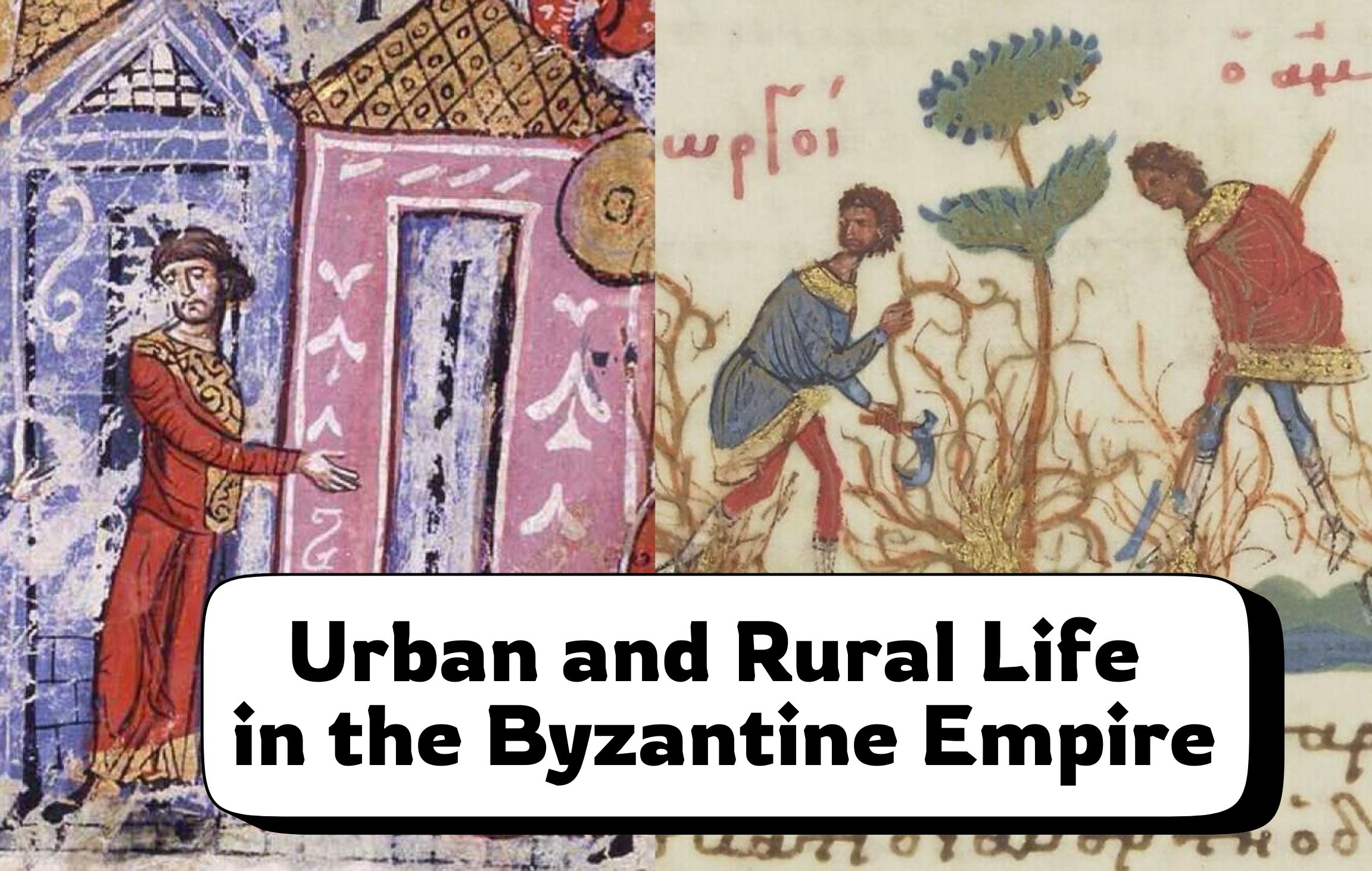
"When most people envision the Byzantine Empire, they conjure images of the opulence of Constantinople, with its shimmering mosaics, majestic domed churches, and vibrant, bustling markets filled with merchants from across the Mediterranean. However, the social reality of the Byzantine Empire was far more nuanced, extending well beyond the capital's imposing walls. Life in Byzantine urban centers contrasted sharply with that of rural areas, creating a diverse societal landscape marked by profound differences in economy, social hierarchy, cultural practices, and daily experiences."
"In the urban context, Constantinople served as a melting pot of cultures, where the elite engaged in political intrigue, scholars debated theological doctrines, and artisans showcased their exceptional craftsmanship. The city was a hub of commerce, with its strategic location along trade routes fostering a thriving economy, yet it also harbored stark social inequalities: the wealthy lived in lavish homes, while the lower classes often struggled to make ends meet."
"In contrast, life in the countryside was characterized by agrarian routines and a close-knit community atmosphere. Peasants worked tirelessly on farms, cultivating crops such as wheat, olives, and grapes, often under the harsh realities of feudal obligations to local landowners. The rural landscape was dotted with small villages, where traditions remained strong, and communal ties were crucial for survival. These differences in lifestyle underscored the complexity of Byzantine society, revealing a rich tapestry of human experience shaped by geography, class, and culture."
Most Byzantines lived far from Constantinople, and daily life varied widely across the empire. Constantinople functioned as a cosmopolitan center of commerce, theology, and artisanal production where elites experienced wealth, influence, and political intrigue while lower classes faced economic hardship. Rural areas centered on agriculture, with peasants cultivating wheat, olives, and grapes under obligations to local landowners and relying on close community bonds. Small villages preserved traditions and mutual support systems. These urban–rural contrasts produced significant differences in social hierarchy, economic opportunity, cultural practice, and everyday experience, shaping a complex and regionally diverse Byzantine society.
Read at Medievalists.net
Unable to calculate read time
Collection
[
|
...
]