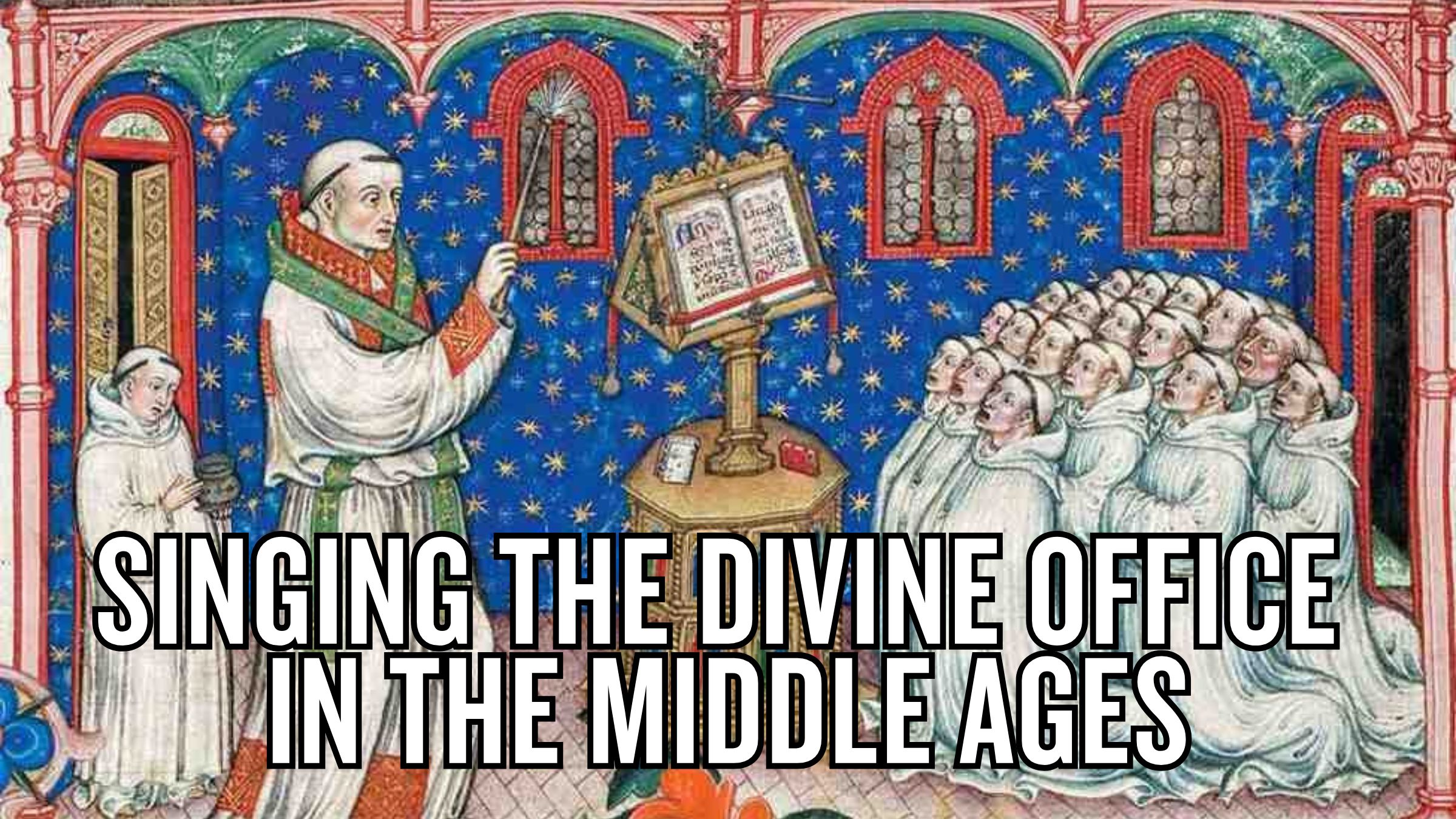
"Governed by strict adherence to fixed times, the daily prayers sung by religious men and women were at the heart of monastic life in the Middle Ages. Each day, religious houses would resonate with the unified voices of their faithful inhabitants, who would sing prayers at different hours throughout the day, beginning in the early morning and continuing into the night."
"The custom of singing daily prayers stems from ancient Jewish practices that can be found in Hebrew scripture (or the "Old Testament" as it is called in the Christian Bible). Most notably, the psalms (hymns and poems) of Jewish sacred writings - many of which have traditionally been credited to the hand of King David - prescribe that one should pray in the morning, evening, and at night, which has led to the belief that prayer should occur continuously throughout each day."
Daily fixed‑hour communal prayers shaped the rhythm of medieval monastic life, with houses singing appointed prayers from early morning into the night. Those prayers formed the Divine Office or Liturgy of the Hours and persist in some Western Christian denominations today. The practice originates in ancient Jewish worship, particularly the psalms and the Shema, which prescribed prayer at morning, evening, and night and endorsed praising God repeatedly each day. Early Christians, including Christ and his followers, continued Jewish prayer customs, practiced communal prayer, and emphasized continual prayer through injunctions like "pray without ceasing."
Read at Medievalists.net
Unable to calculate read time
Collection
[
|
...
]