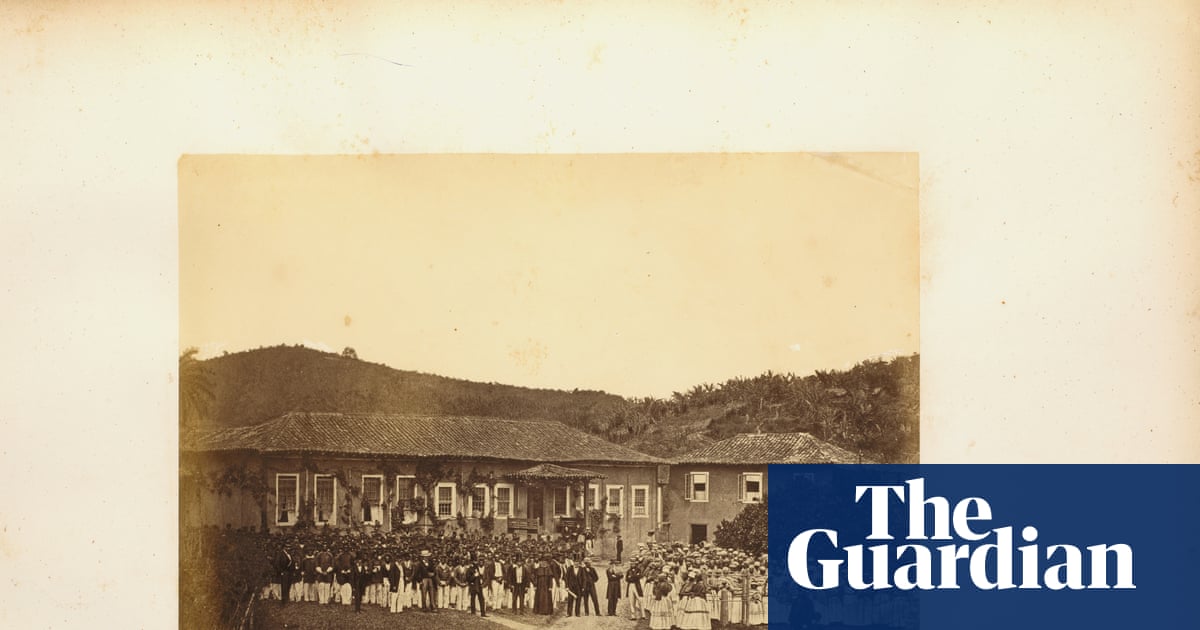
"The case is one of the most notorious examples of British involvement in illegal enslavement in Brazil, said historian Joseph Mulhern and a stark symbol of how, even after the UK Slavery Abolition Act of 1833, British citizens and companies profited from slavery in Latin America's biggest country for another half century."
"Britons learn about the country's involvement with slavery almost as a self-congratulatory narrative, said Mulhern, as if the country had been a self-appointed moral arbiter in the demise of the slave trade and slavery despite the fact that the UK was one of the biggest countries involved in the slave trade."
"In 1831 after intense pressure from the UK, Brazil banned the trafficking of enslaved Africans. For about five years, the new law was enforced, but it was later widely ignored, which is why it became known as a law for the English to see."
In 1845, a British mining company in Brazil rented 385 enslaved people despite Britain's legal prohibition on owning enslaved people overseas. This practice exploited a loophole in the 1843 Slave Trade Act that permitted renting enslaved labor abroad. The arrangement violated a 14-year maximum term, yet the British ambassador ignored the case despite awareness. Only in 1879, after a Brazilian abolitionist exposed it, were 123 survivors freed; most had died in captivity. This case exemplifies British complicity in Brazilian slavery for fifty years after 1833. Historian Joseph Mulhern documents how Britain's self-congratulatory narrative about abolishing slavery obscures its continued economic entanglement with Brazilian slavery through commerce and credit arrangements.
#british-slavery-complicity #brazilian-slavery-history #legal-loopholes-and-exploitation #colonial-labor-practices #historical-revisionism
Read at www.theguardian.com
Unable to calculate read time
Collection
[
|
...
]