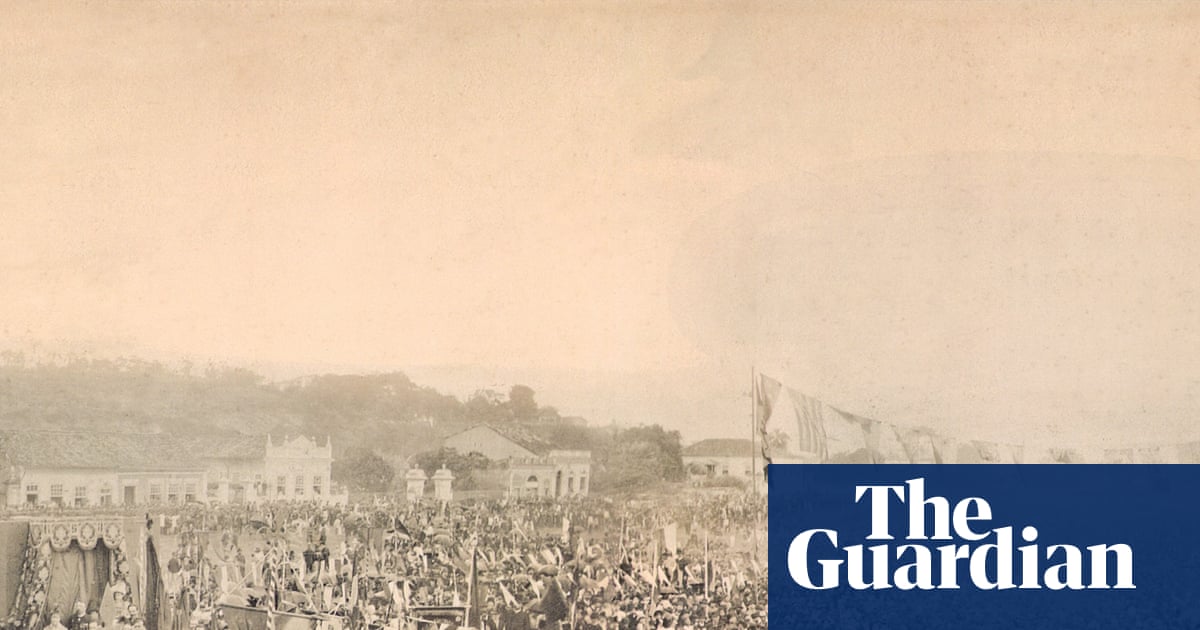
"So much that is known about the rise of slavery, the system of slavery, and the end of slavery, tends to be in the English-speaking world. So the English-speaking historiography looks at the US, it looks at Jamaica, but there's this whole other story. I've spent a lot of time in Cuba, so I write about the Spanish-speaking world and the Spanish empire, and then there's slavery in Brazil, which is a whole other thing."
"There's been a big historical turn, Gibson said. In the last 20 or 30 years there's become a lot more interest in the movement by enslaved people to get their own freedom, versus white abolitionism, which for a long time, certainly in Britain, received a lot of attention. The Great Resistance recounts such attempts for freedom. Most involve desperate violence. The book begins in nightmare."
A four-century struggle across the Americas saw enslaved people repeatedly resist bondage through rebellions, escape, legal challenges, and everyday sabotage. Spanish- and Portuguese-speaking regions, especially Cuba and Brazil, contributed major but understudied threads that differ from Anglo-Caribbean and U.S. experiences. Interlinking revolts such as the Haitian Revolution with localized insurrections and shifting colonial and national laws reveals patterns of violent uprising, strategic negotiation, and gradual emancipation. The resistance combined collective uprisings and individual acts, reshaped imperial and national economies, and forced political transformations that produced abolition in varied temporalities across the hemisphere.
Read at www.theguardian.com
Unable to calculate read time
Collection
[
|
...
]