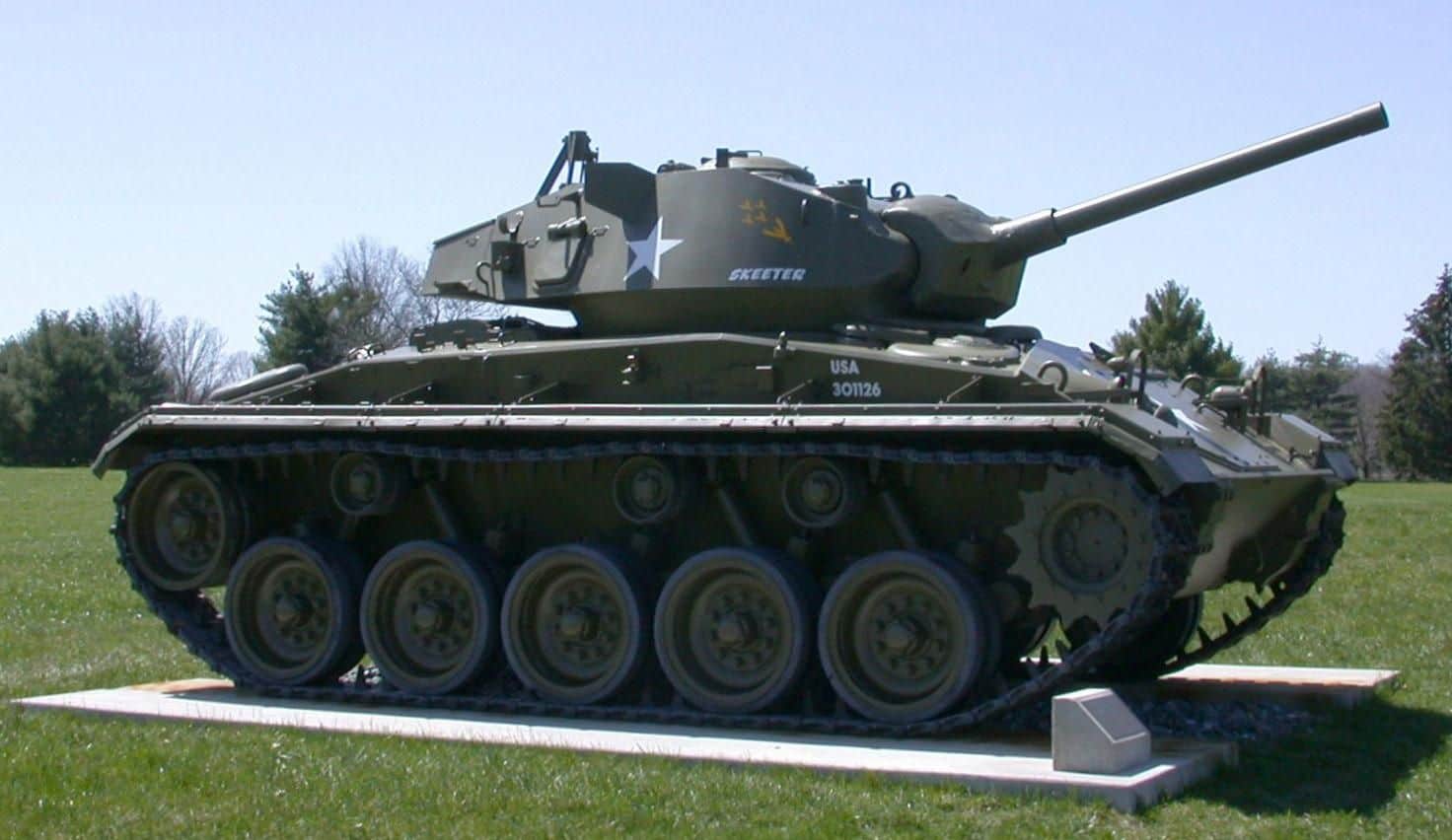
"Many of the machines created during World War II were engineered with one goal in mind: to survive anything. Eight decades later, a surprising number of those designs still appear on modern battlefields, naval decks, and airstrips around the world. Despite advances in sensors, drones, and precision weapons, these WWII-era tools still remain in service. Here, 24/7 Wall St. is taking a closer look at the WWII tools that have endured to this day."
"To determine the World War II tools that have outlasted their modern alternatives, 24/7 Wall St. reviewed various historical and military sources. We included a range of weapons, vehicles, and aircraft from this era that still see service today in militaries around the world. We included supplemental information regarding the type, year introduced, who it is used by, as well as why it outlasted modern alternatives."
"World War II produced machines and weapons so durable that many remain in service nearly 80 years later. These legacy tools survived multiple generations of attempted replacements, proving that reliability often outperforms technological novelty. By examining the WWII-era systems still used today, we gain some insight into why certain designs become timeless, how militaries balance modernization with practicality, and what these long-lived tools reveal about the demands of modern warfare."
Many machines and weapons from World War II were engineered for extreme survivability, and dozens of those designs still operate on battlefields, naval decks, and airstrips worldwide. Armies, navies, and air forces continue to use a range of WWII-era weapons, vehicles, and aircraft because they offer proven reliability, straightforward maintenance, interoperability with legacy systems, and cost-effective longevity. Despite advances in sensors, drones, and precision weaponry, legacy systems often endure through decades of attempted replacements due to supply chains, training familiarity, and the pragmatic demands of combat environments. Supplemental data about each system typically includes type, year introduced, operators, and reasons for continued use.
Read at 24/7 Wall St.
Unable to calculate read time
Collection
[
|
...
]