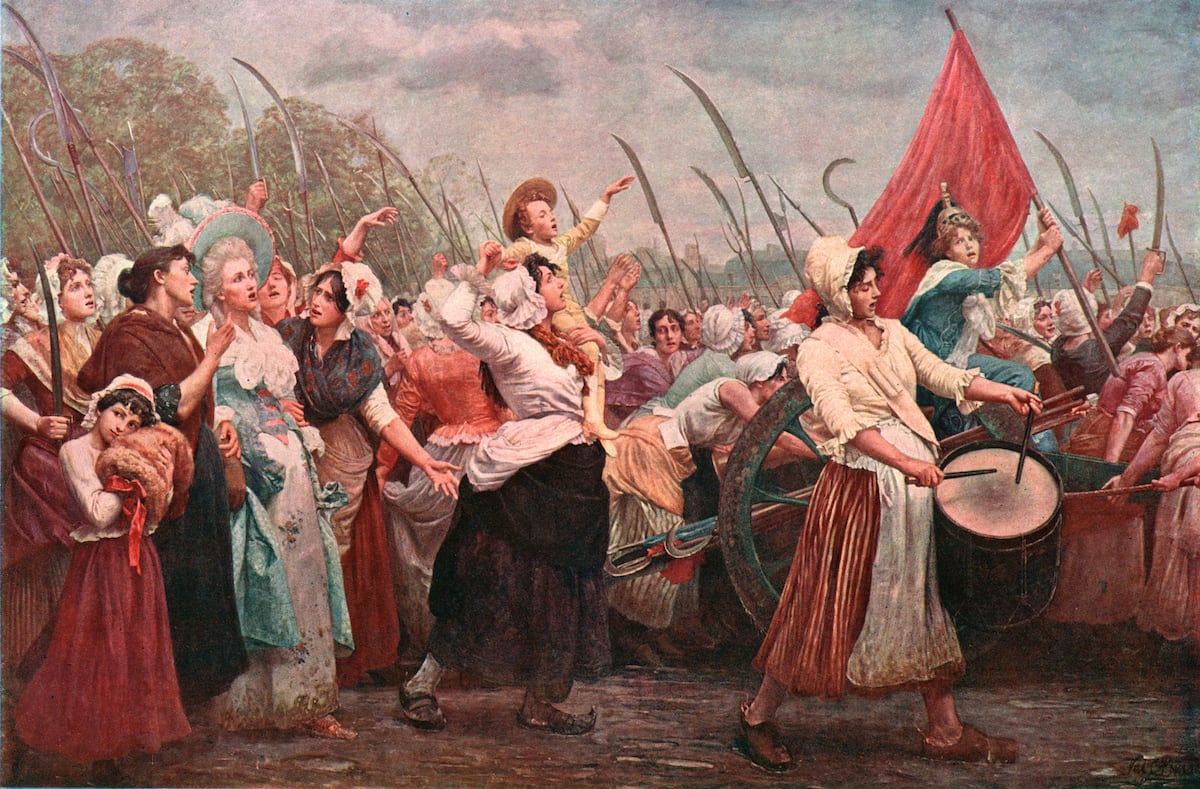
"At the end of the 18th century, a large swath of French society agreed on an astonishing idea: they could create a new world. So fervent was this belief that it included changing religion for Reason, the names of the months (Brumaire, Germinal, Thermidor), the way of measuring things (the metric system, which we still use today) and, fundamentally, the political and social system."
"The French Revolution was a historic turning point that paved the way for modern societies. It sowed the seeds of freedom, equality, citizenship and sovereignty that would ultimately shape liberal democracies and the contemporary world. A world that, incidentally, some on the far-right are now calling into question, reviving traditional values more typical of the Ancien Regime than of the Enlightenment era that ushered in modernity."
"There are the immediate historical causes: a succession of poor harvests and rising bread prices, the economic crisis caused by war efforts and poor fiscal management, and the inequality between the lavishness of the court at Versailles and the starving masses: the infamous line If they are hungry, let them eat cake, is famously attributed to Queen Marie Antoinette. She probably never said such a thing, but it does illustrate the era's sentiment towards monarchy."
At the end of the 18th century, large parts of French society believed they could create a new world, replacing religion with Reason, renaming months (Brumaire, Germinal, Thermidor), reforming measurement with the metric system and overhauling political and social orders. The French Revolution became a historic turning point that paved the way for modern societies by sowing seeds of freedom, equality, citizenship and sovereignty that shaped liberal democracies. Contemporary reactions include far-right movements reviving traditional Ancien Régime values. Immediate causes included successive poor harvests, rising bread prices, war-driven economic crises and poor fiscal management, and stark inequality between Versailles and the starving masses.
Read at english.elpais.com
Unable to calculate read time
Collection
[
|
...
]