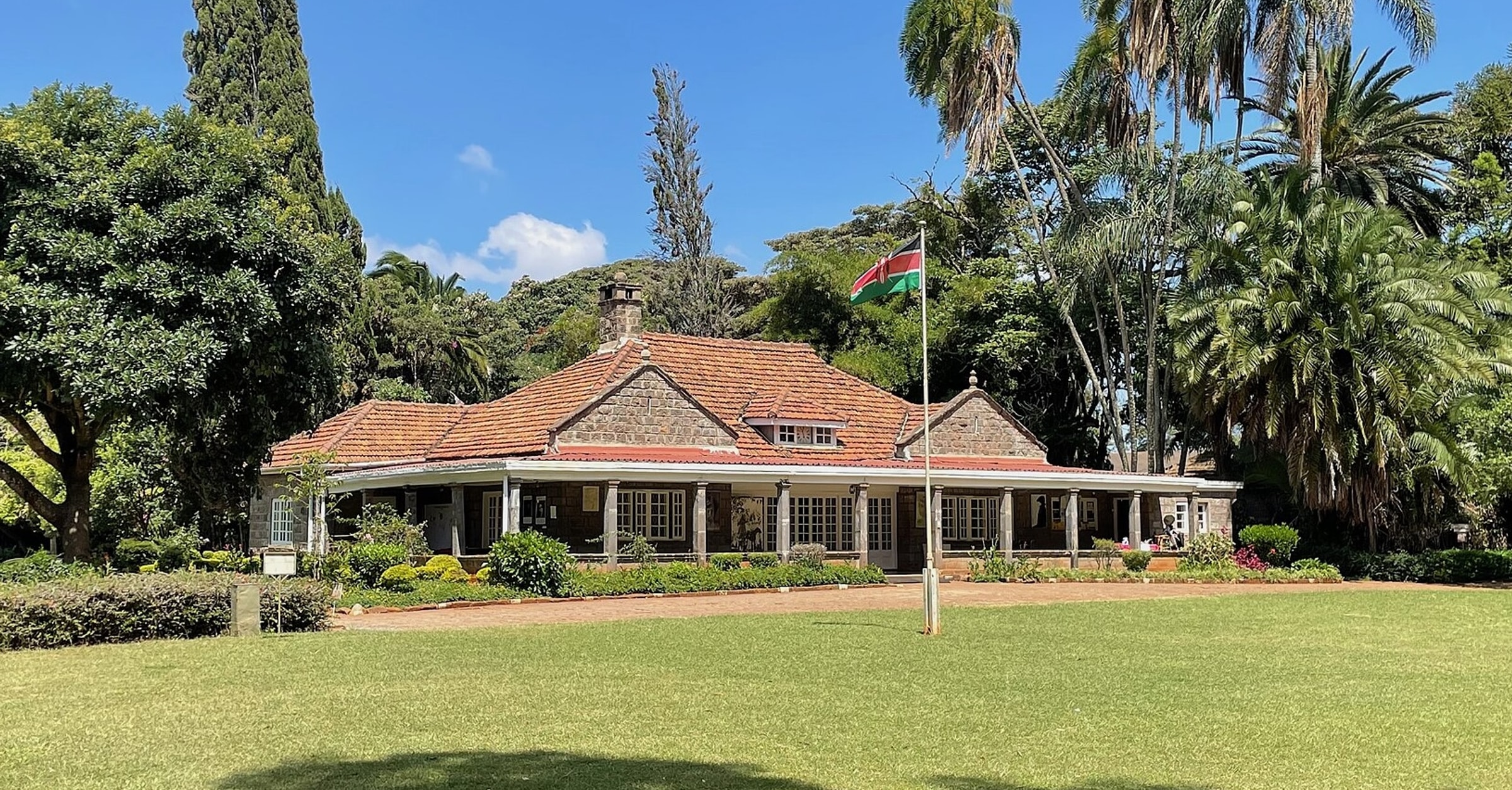
"Colonial bungalows were designed to combat the challenges of a tropical or subtropical climate, featuring thick walls, high ceilings, and wide verandahs to keep cool air in and hot air out."
"The architectural differences the bungalow presented also reminded locals of who had the wealth and power in the colony, making them a symbol of both imperial power and racial discrimination."
"The name 'bungalow' originates from the Gujarati word bangalo and the Hindi word banglā, meaning 'belonging to Bengal,' indicating the first such buildings appeared in northeast India."
"Shared bungalows, often called 'chummeries,' were common among colonists who could not afford a residence of their own, highlighting the economic disparities within colonial society."
Colonial bungalows were constructed to address the challenges of hot climates, featuring thick walls, high ceilings, and wide verandahs. They became standard residences in colonial regions, symbolizing imperial power and racial discrimination due to restricted access for local people. The name 'bungalow' originates from the Gujarati and Hindi words meaning 'belonging to Bengal.' Initially built in trading stations, bungalows allowed colonists to replicate familiar living styles, highlighting wealth disparities. Shared bungalows, known as 'chummeries,' were common among less affluent colonists.
Read at World History Encyclopedia
Unable to calculate read time
Collection
[
|
...
]