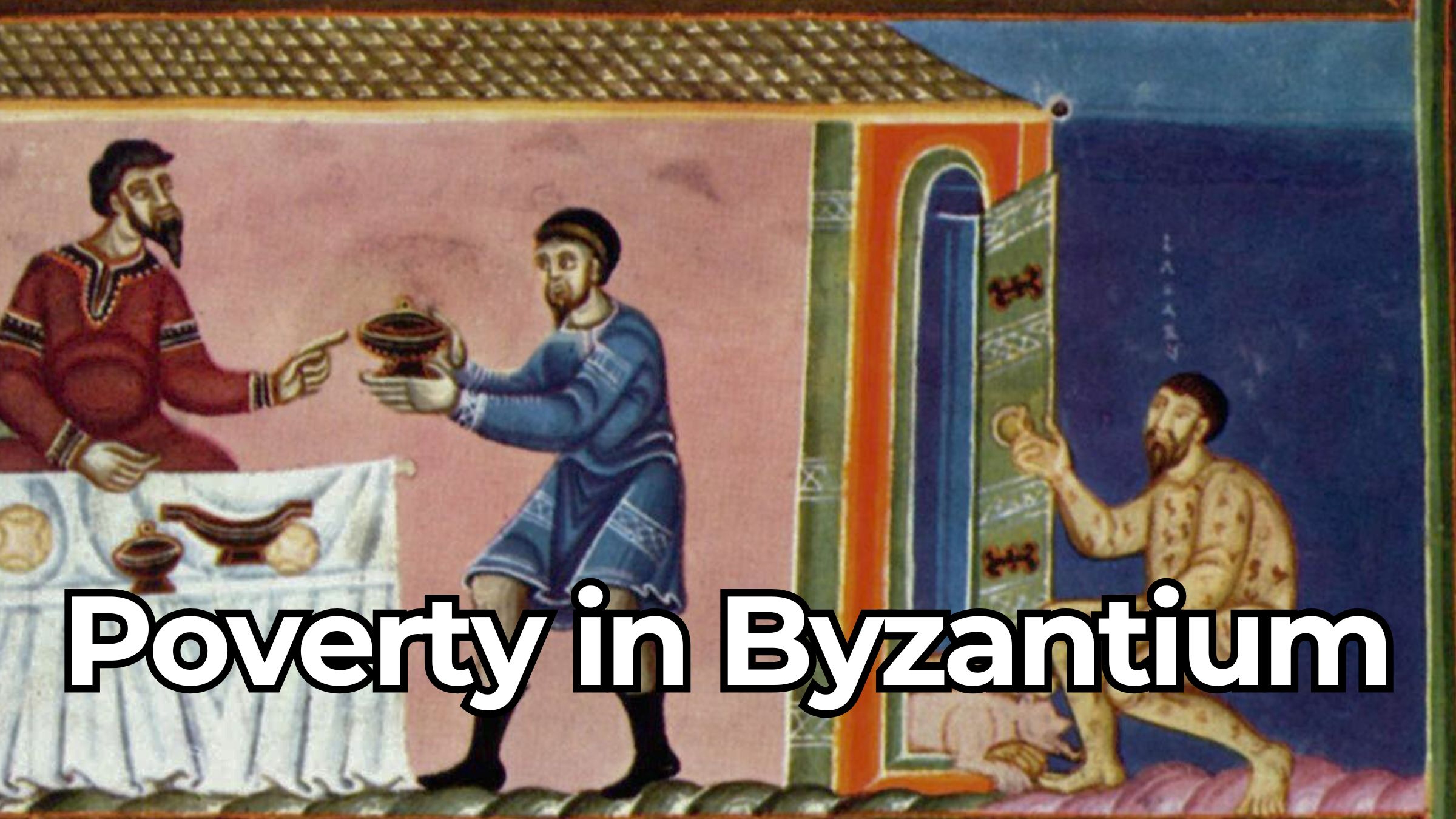
"Yet behind the splendor of mosaics and imperial ceremony lay a vast population of poor and vulnerable people. Poverty was not a marginal phenomenon in Byzantium; it was a persistent social reality that shaped law, religion, urban life, and moral thinking. It was also understood, managed, and given meaning through imperial policy and Christian ideals of charity-making it not only an economic condition, but a social and ideological one."
"Unlike contemporary economic definitions, Byzantine poverty encompassed a multifaceted understanding that extended beyond mere material deprivation to include moral and spiritual dimensions. In the context of Byzantine society, Christian teachings stressed the importance of humility and cautioned against the dangers of excessive wealth, creating a complex interplay between the ideals of virtuous simplicity and the harsh realities of desperate need. This ethical framework meant that the wealthy were often viewed with suspicion, seen as potentially corrupt or spiritually impoverished despite their material abundance."
Poverty in Byzantium affected large segments of the population and took multiple forms, including destitute beggars (ptōchos), the working poor (penēs), widows, orphans, the disabled, and the elderly. Some individuals experienced chronic deprivation due to lack of land, skills, or family support, while others suffered temporary poverty from famine, war, illness, or displacement. Byzantine poverty combined material, moral, and spiritual dimensions, with Christian teachings valorizing humility and critiquing excessive wealth. Imperial policy and church charity shaped responses, influencing law, urban life, and social attitudes, while hunger and homelessness remained persistent everyday threats.
Read at Medievalists.net
Unable to calculate read time
Collection
[
|
...
]