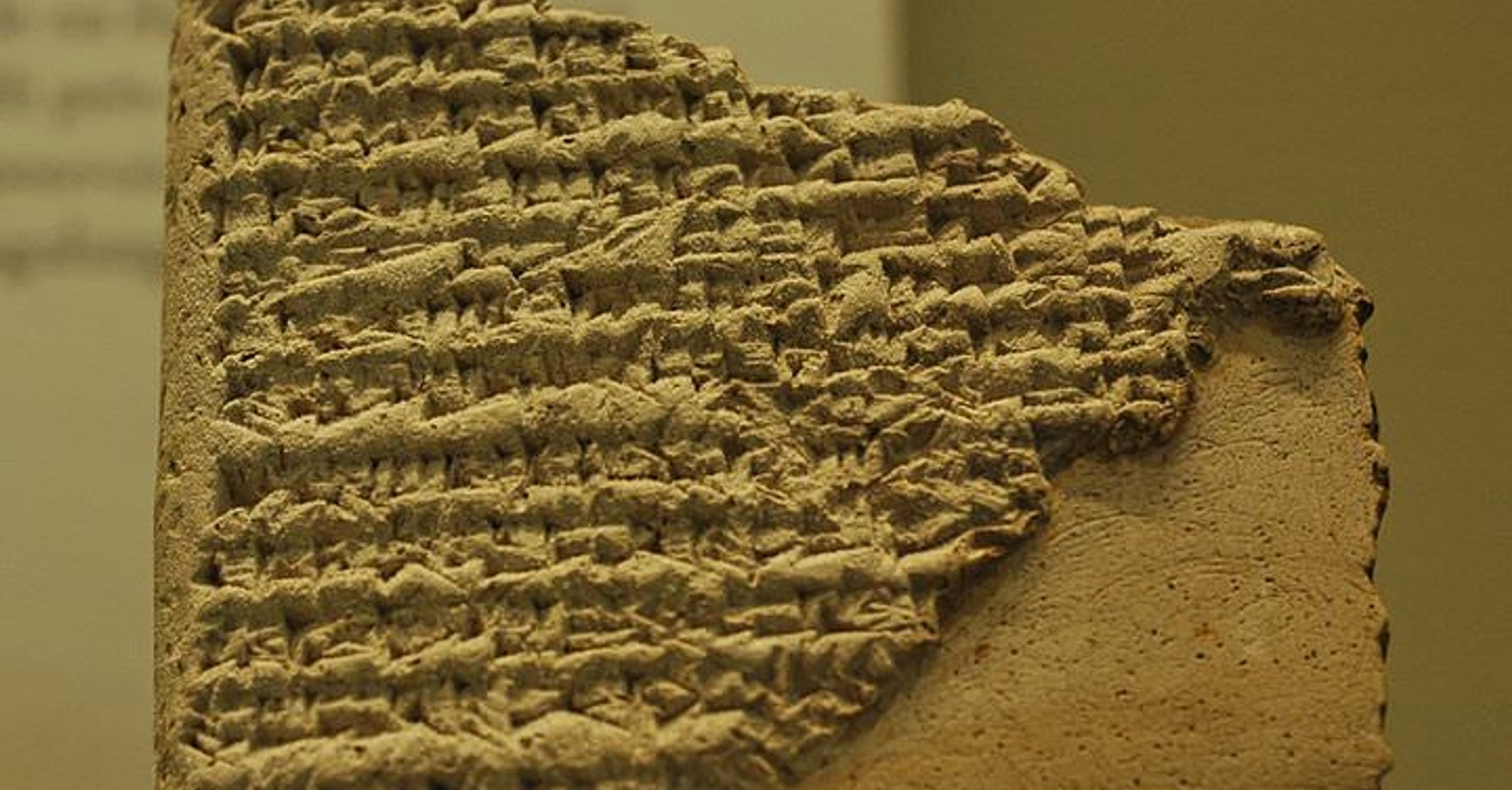
"The text, most likely composed circa 2300 BCE, and also known as The Birth Legend of Sargon, describes the king's humble origins and rise to power with the help of the goddess Ishtar and concludes with a challenge to future kings to go where he has gone and do as he has done."
"Both pieces today are sometimes classified as belonging to the genre of Mesopotamian naru literature - the world's first historical fiction - in which a famous figure, usually a king, is featured as the main character in a fictional work. This genre appeared around the 2nd millennium BCE and was quite popular, as evidenced by the number of copies found of naru works."
"The purpose of naru literature was not to deceive an audience but to impress upon them some important religious or cultural value. In the case of The Legend of Sargon of Akkad, however, the naru genre seems to have been used to establish Sargon as a 'man of the people' who, beginning life as an orphan with nothing, forged his own destiny and established an empire."
The Legend of Sargon of Akkad is an Akkadian autobiographical work describing the founder of the Akkadian Empire's humble origins and ascent to power with divine assistance from the goddess Ishtar. The earliest known copy dates to the 7th century BCE, discovered in Ashurbanipal's library. The text belongs to naru literature, Mesopotamia's first historical fiction genre featuring famous figures in fictional narratives. Rather than deceiving audiences, naru literature conveyed important religious and cultural values. Sargon strategically used this genre to establish himself as a man of the people, an orphan who forged his own destiny. Understanding popular resentment toward nobility, Sargon leveraged his personal narrative as a powerful tool to influence the Sumerians he ruled, combining military brilliance with compelling storytelling.
#sargon-of-akkad #naru-literature #mesopotamian-history #ancient-akkadian-empire #historical-fiction
Read at World History Encyclopedia
Unable to calculate read time
Collection
[
|
...
]