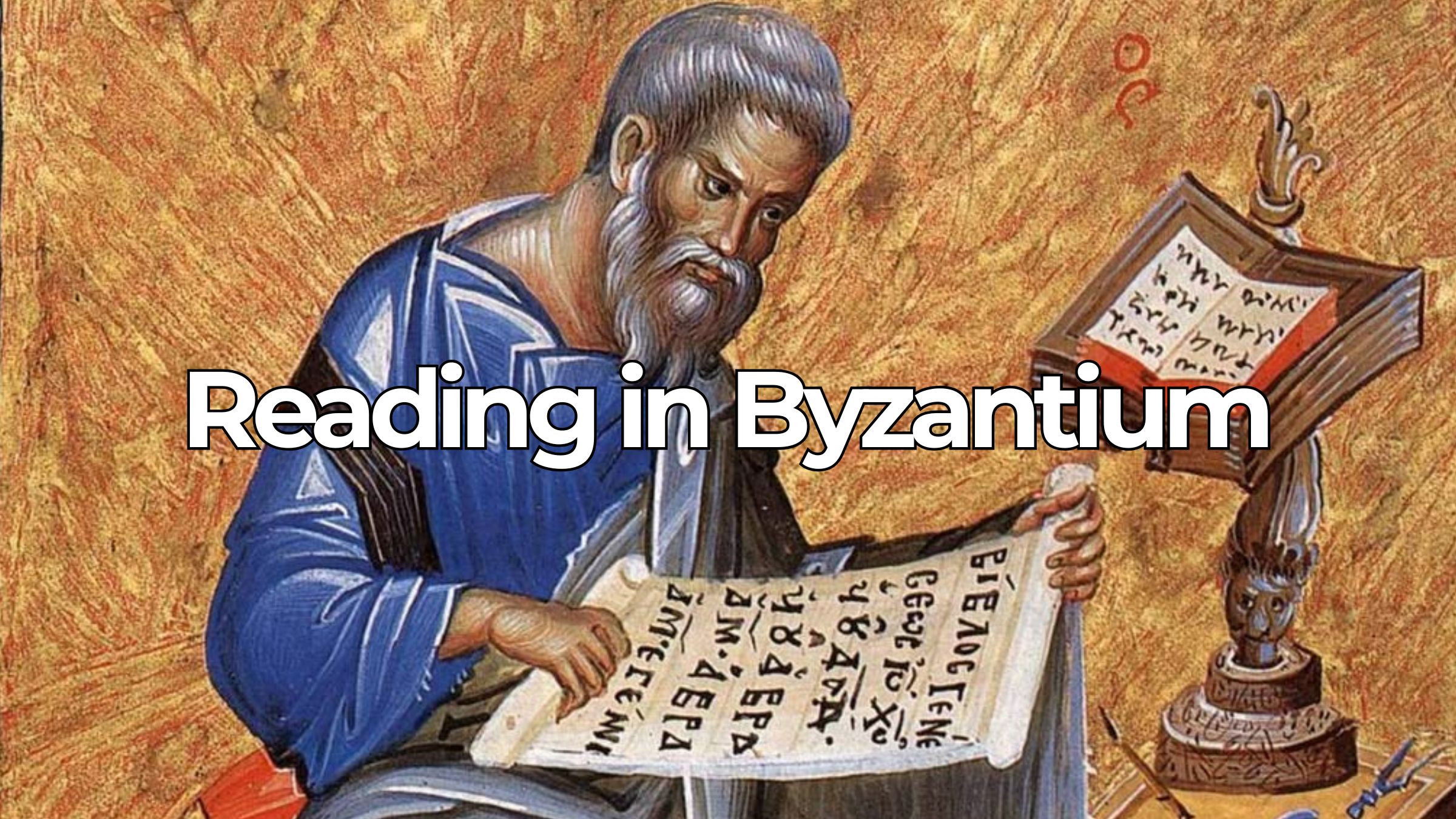
"Reading in Byzantium was rarely a private or silent act. A text might be chanted in church, recited in a monastery refectory, or proclaimed in public as an imperial edict-turning the written word into something heard, shared, and discussed as much as quietly studied. The Byzantine Empire, heir to both classical Greek learning and Christian scripture, developed a distinctive relationship with texts, preserving ancient knowledge while reshaping it within a Christian intellectual world."
"One of the most striking windows into Byzantine reading culture comes from the ninth-century patriarch Photius, who compiled summaries and critical notes on nearly 300 books he had read-often, as he explains, in the company of friends. His Bibliotheca is not just a catalogue of texts, but a record of how reading functioned as a social, educational, and cultural activity in Byzantium. Literacy in Byzantium was uneven but more widespread in urban and administrative settings than in many other parts of medieval Europe. Basic literacy, especially the ability to read religious texts, was common among clergy, monks, bureaucrats, and many city dwellers."
Reading in Byzantium was commonly communal and performative, with texts chanted in churches, recited in monastery refectories, or proclaimed as imperial edicts. The empire preserved classical Greek learning while reshaping it within a Christian intellectual world. Photius compiled summaries and critical notes on nearly 300 books, often reading with friends; his Bibliotheca records reading as a social, educational, and cultural activity. Literacy was uneven but relatively widespread in urban and administrative settings, especially in Constantinople with many schools, monasteries, and bureaucratic centres. Education emphasized reading, writing, and rhetoric; elite boys studied classical authors, and some elite women were well educated. Byzantine literature encompassed religious, classical, and practical texts, with religious works most widely encountered.
#byzantine-reading-culture #literacy-and-education #photius-bibliotheca #religious-and-classical-texts
Read at Medievalists.net
Unable to calculate read time
Collection
[
|
...
]