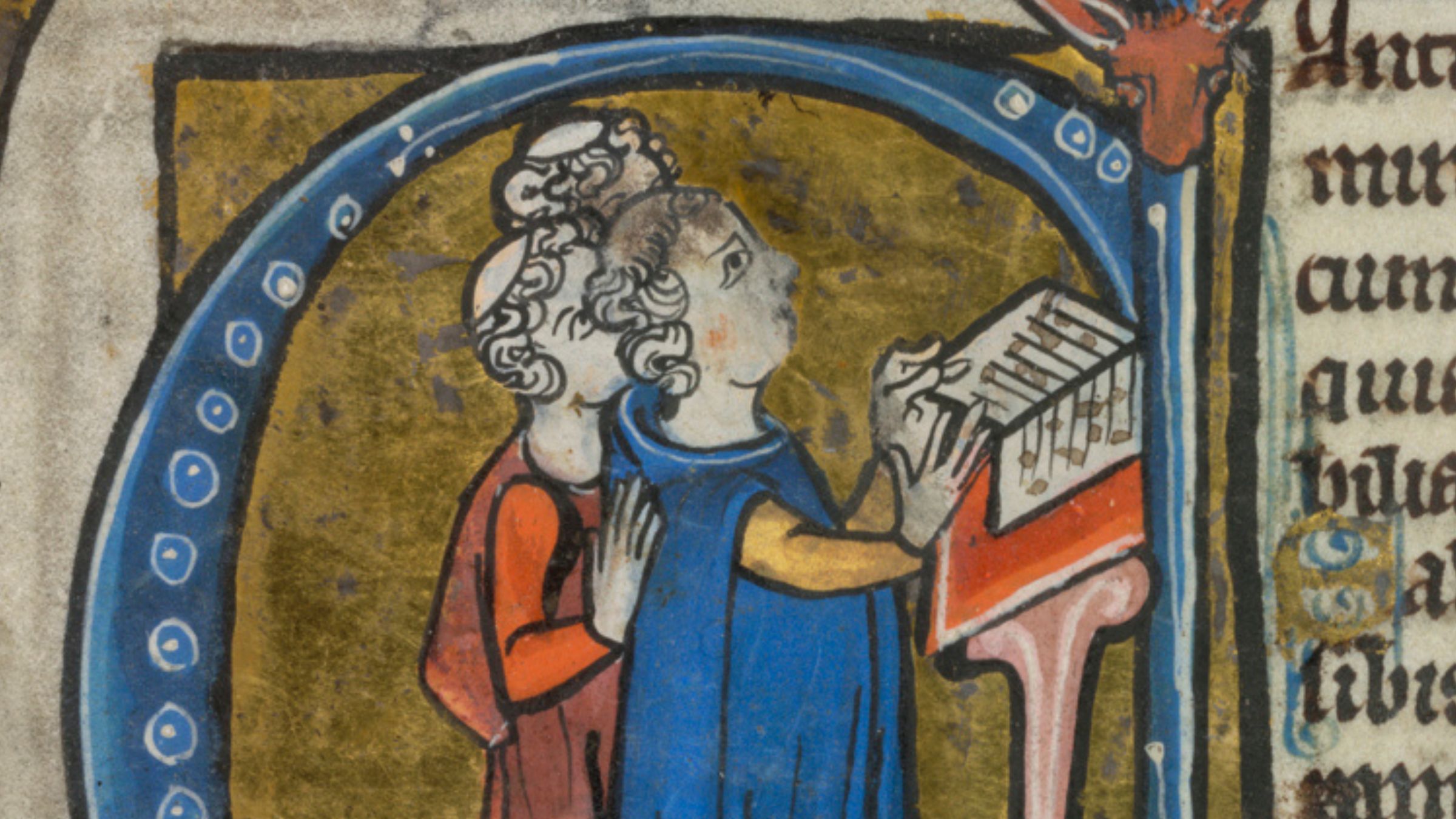
"Tropes were additions inserted into established Gregorian chants. They could include new words, new melodies, or a combination of both, expanding the original liturgical piece and sometimes offering additional theological or rhetorical commentary. In many cases, tropes circulated long before they were recorded in writing. Their melodies and texts were transmitted orally for centuries before being preserved in medieval manuscripts, creating a complex web of regional variants across Europe."
"The researchers focused on the smallest identifiable units within these additions, known as trope elements. These individual segments-ranging in length from a few words to extended passages-can be traced across multiple manuscripts, making them useful for studying how chant traditions moved between regions. To investigate this process, the study drew on a large dataset derived from the Corpus Troporum, a scholarly catalog of medieval trope manuscripts."
"By examining thousands of musical insertions known as tropes, researchers have shown that the distribution of these chants closely reflects the territorial boundaries established after the Carolingian Empire was divided in the ninth century. Using computational network models, the research traced how these musical additions to Gregorian chant were transmitted across Western Europe and how their spread was shaped by geography and politics."
A computational analysis of over 4,000 trope elements from medieval manuscripts reveals that political divisions in early medieval Europe significantly influenced how liturgical music circulated across the continent. Tropes were musical and textual additions to Gregorian chants that spread orally for centuries before being recorded in manuscripts. Researchers examined 163 manuscripts spanning the ninth to fourteenth centuries, identifying 18,000 recorded occurrences of trope elements. Using network models, they traced how these musical additions were transmitted between regions and demonstrated that their distribution closely reflected territorial boundaries established after the Carolingian Empire's division. The study shows how geography and politics shaped the transmission of chant traditions throughout Western Europe.
Read at Medievalists.net
Unable to calculate read time
Collection
[
|
...
]