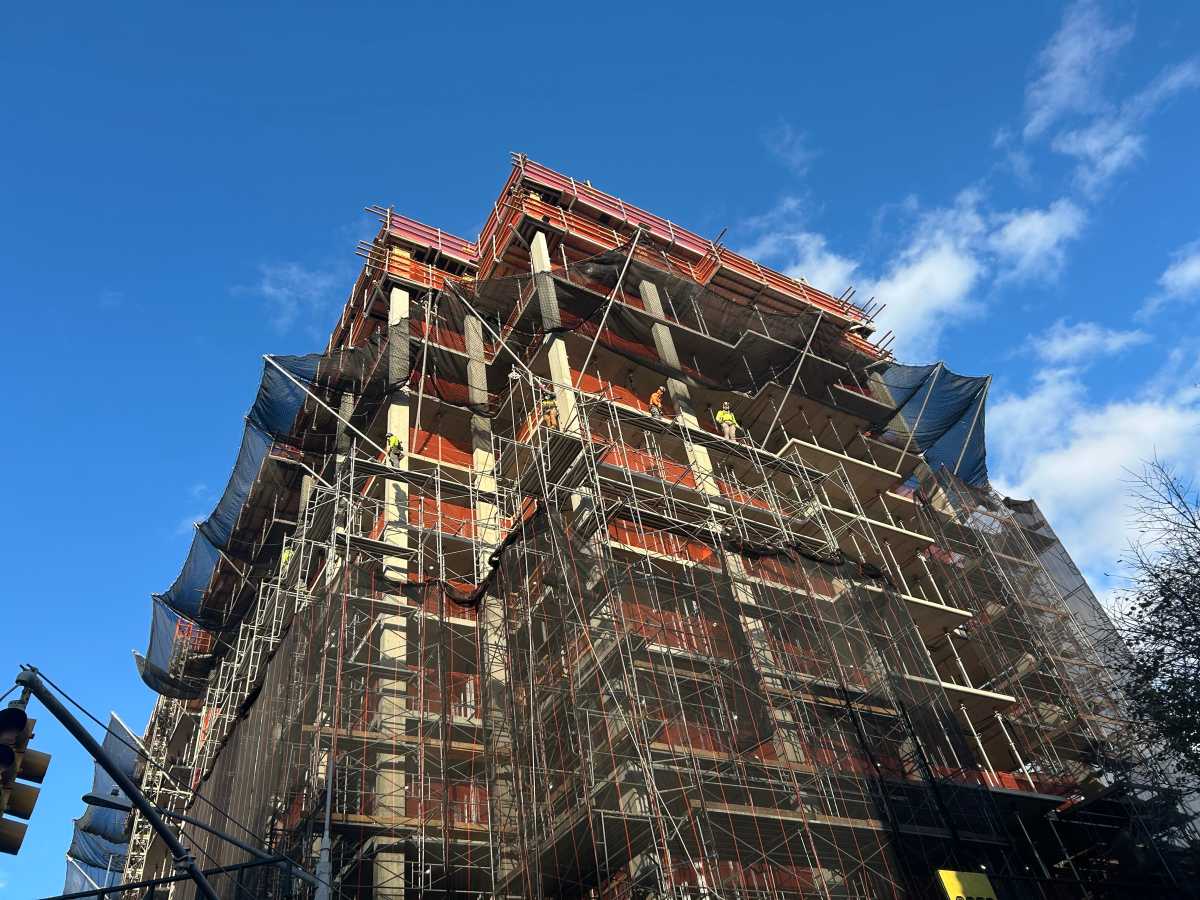
"Late in the 19th century, a new era of construction began to boom in New York City. New technology and engineering techniques allowed developers in New York to build higher than ever. By February 1875, the ten-story Western Union Telegraph Building was completed and became the tallest building in the city, 230 feet high at the top of its clock tower."
"However, with new heights came new risks for workers. Workers found themselves exposed to the elements dozens of stories in the air, and a single misstep could lead their demise below. For example, during the construction of the Brooklyn Bridge, Irish-born mason Neil Mullen, a widower with five children, died three days before Christmas in 1877 when arches supporting the roadway on the Brooklyn anchorage gave way when temporary wooden supports were removed before mortar had properly set."
Labor Law 240 establishes protections and security for tens of thousands of construction workers each year. Late in the 19th century, New York City experienced a construction boom driven by new technology and engineering techniques that enabled much taller buildings. Landmark projects included the 1875 Western Union Telegraph Building, the 1889 Tower Building with a steel frame, and the 1883 Brooklyn Bridge with 276.5-foot towers and a 1,595.5-foot main span. Increased heights exposed workers to deadly hazards, producing accidents such as the 1877 death of mason Neil Mullen and fatal falls when bridge cables snapped. These risks contributed to pioneering worker safety reforms.
Read at www.amny.com
Unable to calculate read time
Collection
[
|
...
]