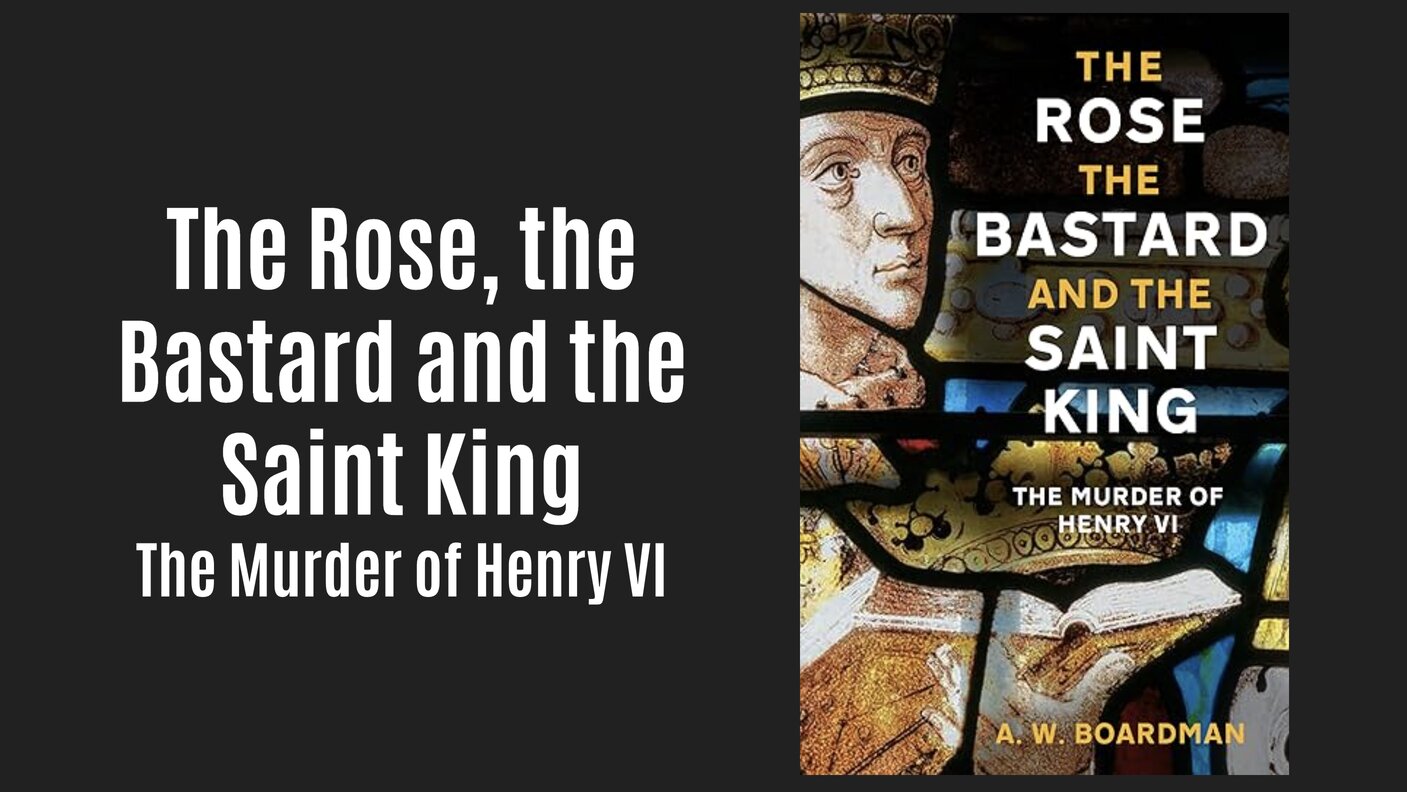
"This book also explains the wider events of 1471, their place in British history and the story of two kings of England whose lives were influenced by the bastard son of Edward IV's most valued veteran captain of the 1460s. More than anything, the year 1471 is a story of split-second decisions, devious betrayals and heroic last stands; of determined and brutal campaigning, pitched battles, unrest in the shires and terror on the streets of London."
"Challenging the accepted view that the former king's dispatch was a response to Edward's twin victories, he instead argues for the key event being the often-overlooked Lancastrian rebellion in Kent, led by Thomas Fauconberg. This rising, the author suggests, constituted a substantial threat to Edward's authority; and, crucially, it had as its aim Henry's liberation from the Tower. Faced with the prospect of continuing instability even after his victories, Edward had no choice but to order his predecessor's execution."
An attempted Lancastrian strike at London in 1471 sought to free the captive Henry VI from the Tower. Thomas Fauconberg led a significant rebellion in Kent that aimed explicitly to liberate Henry, posing a substantial threat to Edward IV's authority. The campaign combined urban warfare, pitched battles, brutal campaigning and unrest across the shires, marked by split-second decisions, devious betrayals and heroic last stands. Lives of two English kings were shaped by the bastard son of Edward IV's veteran captain. Perceived ongoing instability after Edward's battlefield victories led to the decision to execute Henry, ending a focal point for Lancastrian resistance.
Read at Medievalists.net
Unable to calculate read time
Collection
[
|
...
]