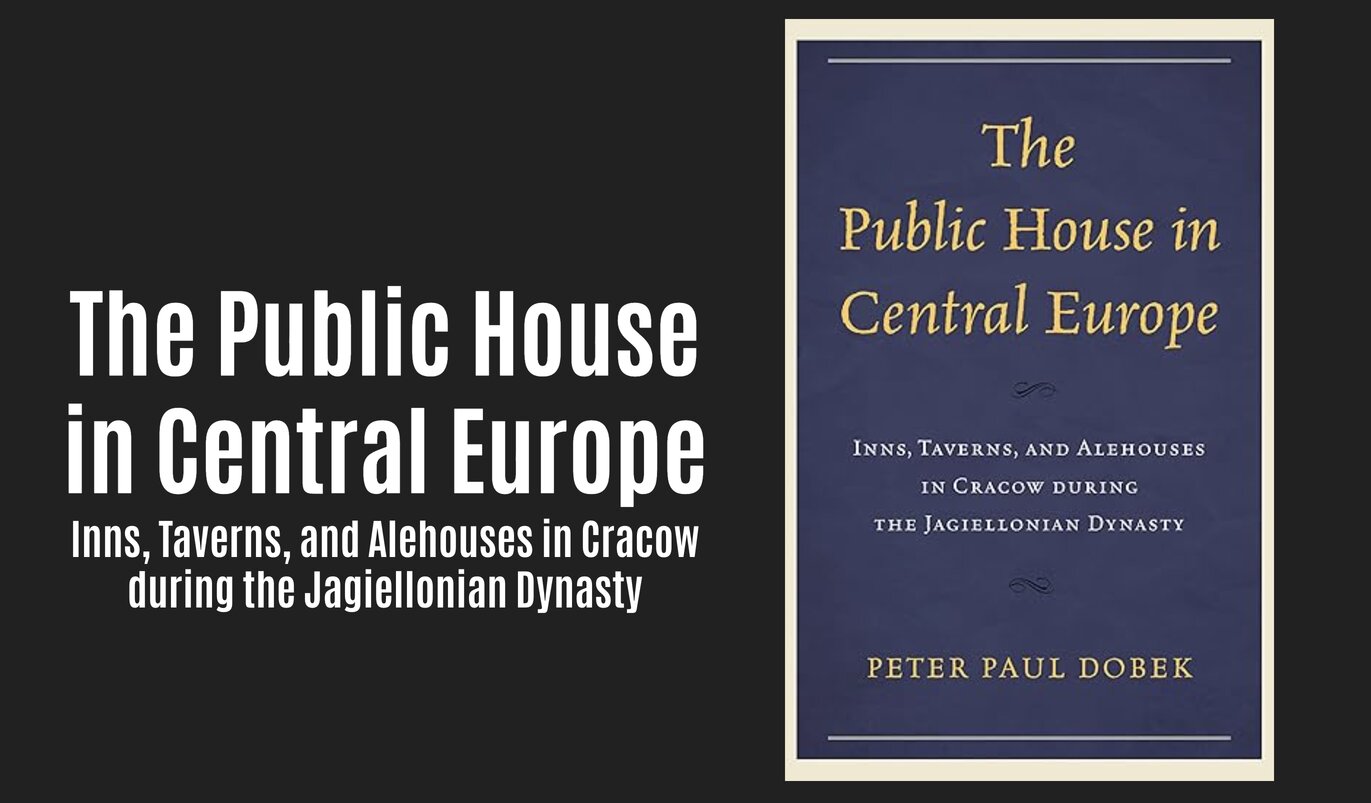
Public houses—inns, taverns, and alehouses—served as vital institutions in Cracow and its immediate surroundings during the Jagiellonian Dynasty (1385–1572). These establishments provided numerous services to inhabitants and visitors, supporting lodging, food, drink, and social interaction. Cracow's emergence as a political, economic, religious, cultural, academic, and social center increased demand for and the prominence of public houses. Ownership structures and clientele varied across venues. City authorities regulated public houses to manage disorder and address drinking-related violence. Public houses also intersected with diplomacy and broader urban processes, making them relevant to studies of social history and medieval urban violence.
"Public houses - inns, taverns, and alehouses - during the Jagiellonian Dynasty (1385-1572) in the city of Cracow and its immediate surroundings functioned as important establishments in the everyday life of the city. Although taverns and alehouses are often treated as a key feature of medieval life, surprisingly few books put them at the centre of the story. This one will appeal to anyone working on social history, and it should also interest researchers of medieval towns and urban violence."
"The inns, taverns, and alehouses provided numerous vital services to both the inhabitants and to visitors of the conurbation. Cracow's growth as one of the political, economic, religious, cultural, academic, and social centers of the Polish lands under the Jagiellonians increased the importance of these establishments, and these developments directly and indirectly influenced the success of public houses. It even touches on what these spaces could mean for diplomacy in the Middle Ages."
Read at Medievalists.net
Unable to calculate read time
Collection
[
|
...
]