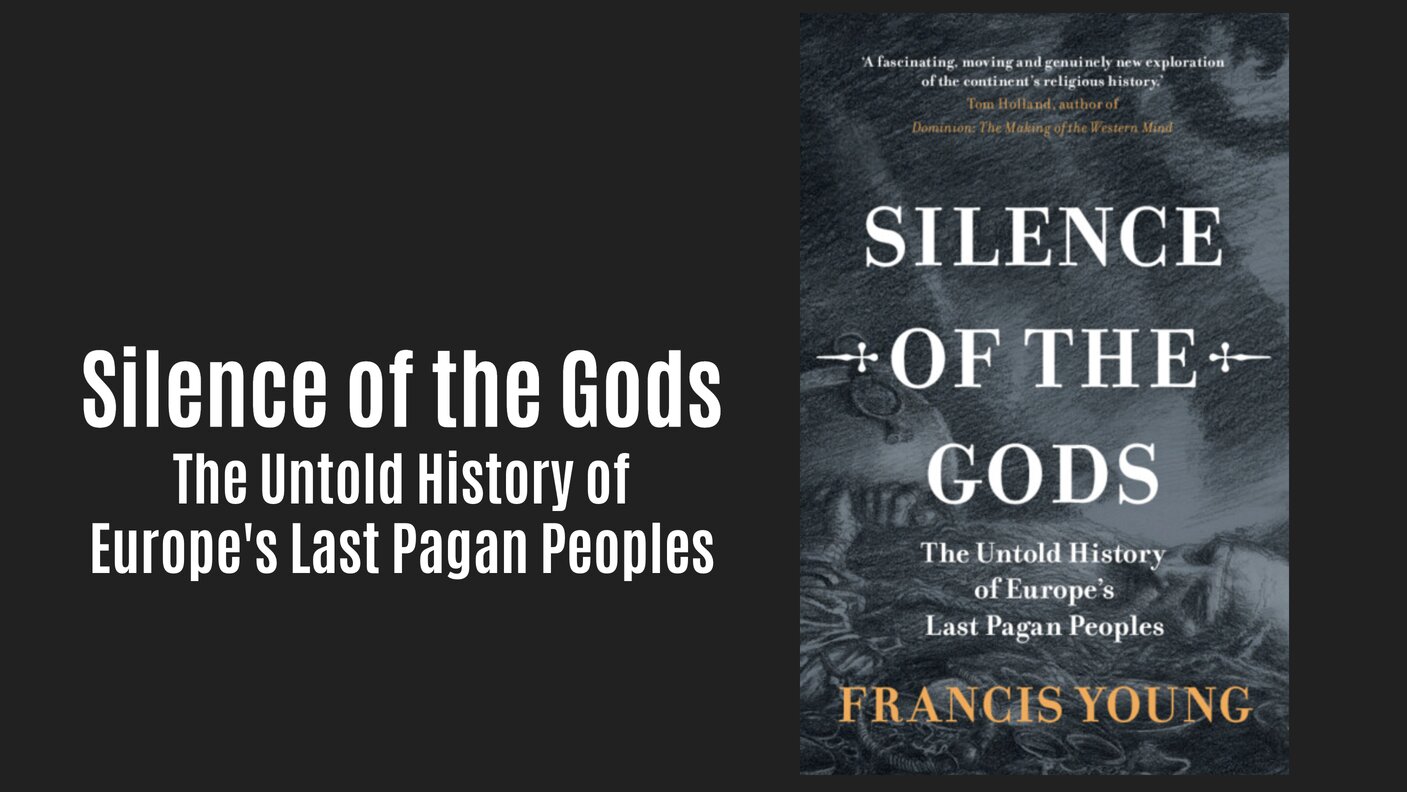
"This book is a religious history of the last five centuries of Europe's unchristianised peoples, who included the Sámi, the Estonians, the Old Prussians, the Latvians, the Lithuanians, the Mordvins, the Maris, the Chuvashes, and the Udmurts. It spans the period from the official conversion of Lithuania in 1387 to the dawn of the twentieth century: a period when these peoples lived under Christian rule and were often deemed Christians for political purposes, in spite of resolutely following their own religious traditions."
"The book argues that, in spite of their diversity - ranging from shamanist Sámi to the tree- and stone-worshipping Balts and the Finno-Ugric forest animists - unchristianised peoples in northern and eastern Europe shared a common experience of encounter with Christian missionaries, whose methods ranged from violent crusade and forced baptism to non-violent efforts at persuasion."
"That common experience of contact with Christianity produced creative religious and spiritual responses that changed unchristianised peoples forever, but did not always result in the adoption of Christianity itself."
This religious history examines the final five centuries of Europe's non-Christian peoples, including the Sámi, Estonians, Old Prussians, Latvians, Lithuanians, Mordvins, Maris, Chuvashes, and Udmurts, spanning from Lithuania's official conversion in 1387 to the early twentieth century. These peoples lived under Christian rule and were often classified as Christians for political purposes, yet persistently maintained their own religious traditions. Despite their diversity—ranging from Sámi shamanism to Baltic tree and stone worship to Finno-Ugric forest animism—these groups shared common experiences encountering Christian missionaries employing varied methods from violent crusades and forced baptisms to peaceful persuasion. These encounters produced creative religious and spiritual responses that transformed these peoples without necessarily resulting in genuine Christian adoption.
#european-pagan-conversion #religious-history #indigenous-traditions #christian-missionary-encounters #baltic-and-finno-ugric-peoples
Read at Medievalists.net
Unable to calculate read time
Collection
[
|
...
]