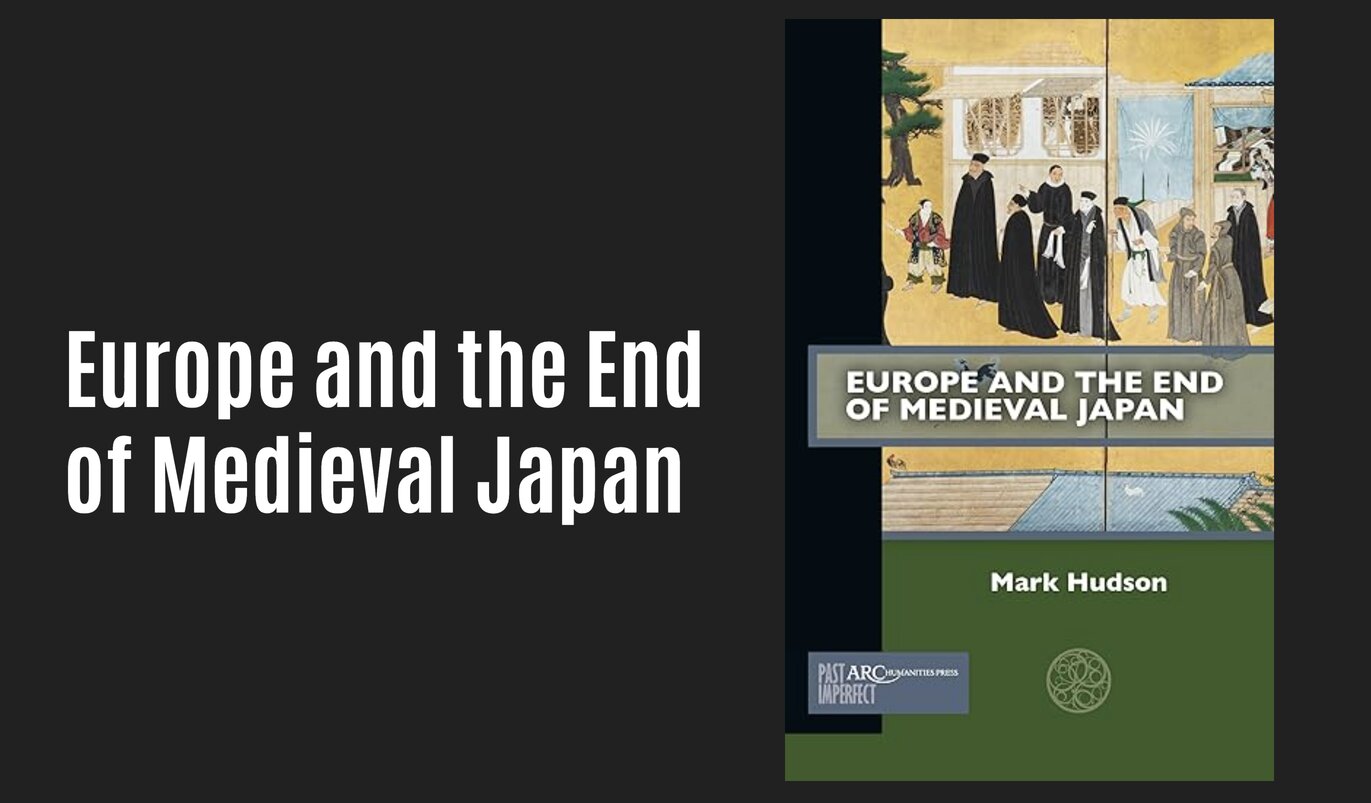
Between 1549 and 1650 intensive contact with European traders, missionaries, and ideas catalyzed profound change across the Japanese Islands. Political alignments shifted as local rulers engaged with foreign trade and military technologies. Christianity spread and generated new religious dynamics, provoking conflict and sometimes violent suppression. Cultural exchanges introduced goods, knowledge, and practices that altered daily life and artistic production. European involvement is analyzed as one factor among many within broader premodern globalizing processes. The century’s transformations are best understood through intersecting lenses of religion, violence, and cultural exchange.
"This book looks at the century of dynamic change between the end of the Middle Ages and the onset of the early modern era in the Japanese Islands. This period of transition from the late sixteenth to the early seventeenth centuries has sometimes been labelled the "Christian Century" because it also saw the arrival of European missionaries and merchants in Japan."
"Although this label is often criticized for its perceived Eurocentric bias, the present volume uses recent writings on premodern globalizations to attempt a re-evaluation of the role played by Europe at the time. The book re-thinks the Christian Century from three perspectives: religion, violence, and cultural exchange."
Read at Medievalists.net
Unable to calculate read time
Collection
[
|
...
]