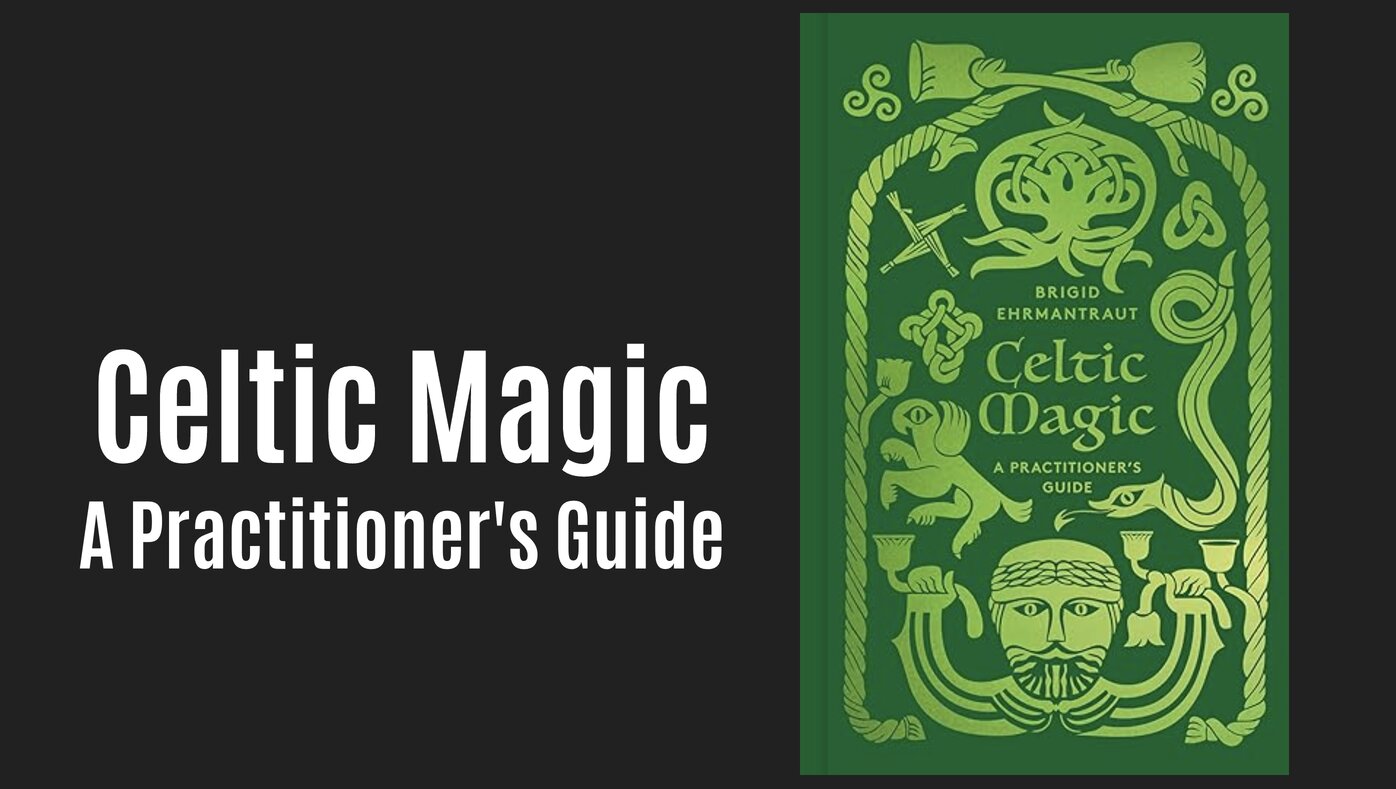
"This is a book in two halves: the first part deals with magic in the ancient Celtic-speaking world, while the second looks at magic from the medieval period in areas where Celtic languages were spoken. Our ancient evidence comes from epigraphy (inscriptions on a hard, durable material such as stone or metal) and from classical Greek and Roman written accounts about their Celtic-speaking neighbours (not all of which are trustworthy)."
"For the Middle Ages, we have longer narratives and historical texts involving magic that survive in manuscripts written in Irish, Welsh and Latin, as well as prayers, charms and medical recipes."
Ancient Celtic magical practice is attested through inscriptions and classical Greek and Roman accounts, while medieval Celtic magic appears in Irish, Welsh and Latin manuscripts. Evidence ranges from epigraphy and classical reports to longer narrative and historical texts, prayers, charms, medical recipes, and hagiographic material. The material demonstrates continuity and transformation of a distinctive religious and supernatural worldview among Celtic-speaking communities across antiquity and the Middle Ages. The corpus includes practical formulas and curses, medical cures, and literary treatments of magic, providing sources relevant to both historians of religion and medievalists interested in folklore and cultural transmission.
Read at Medievalists.net
Unable to calculate read time
Collection
[
|
...
]