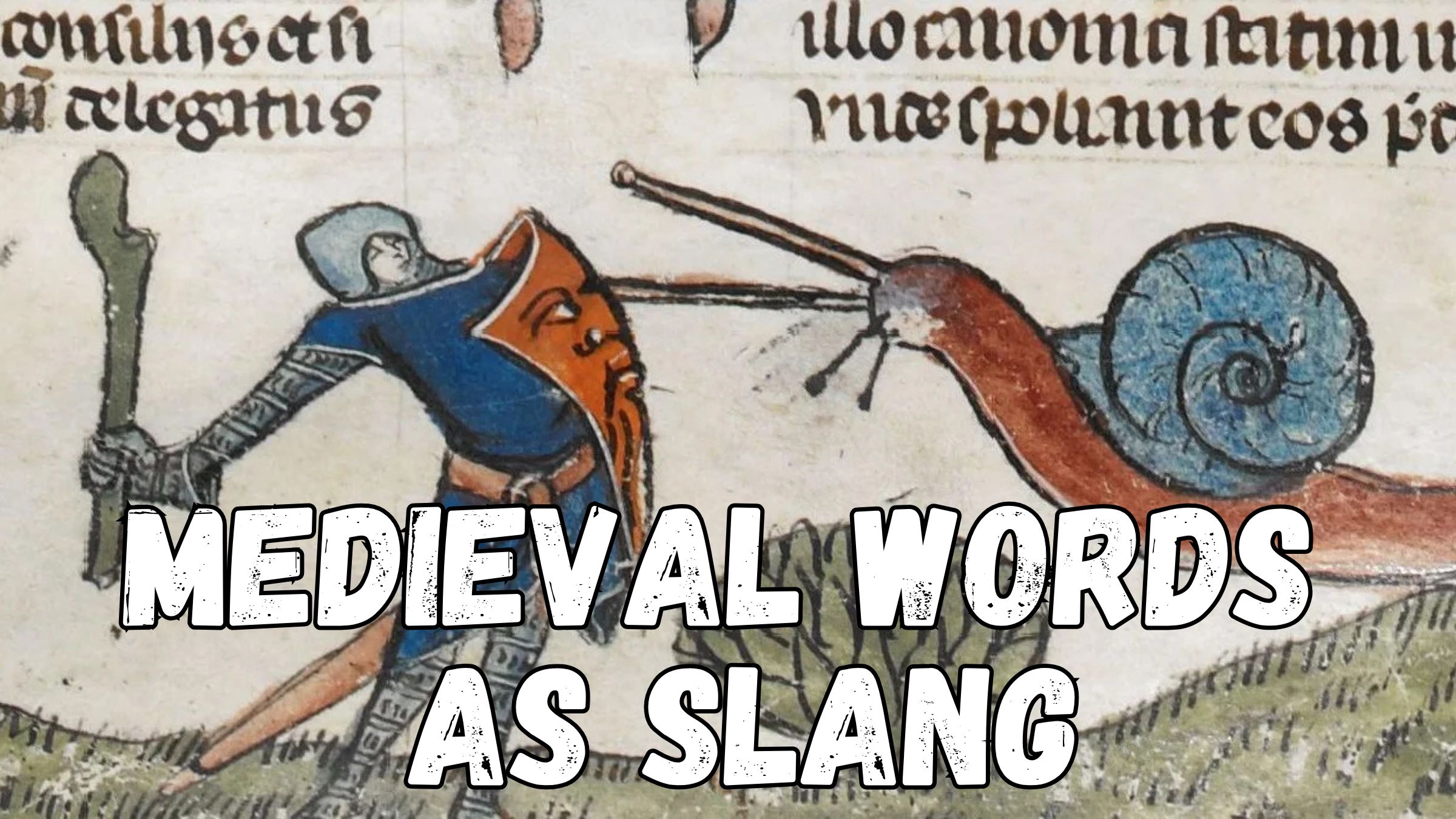
Slang appears modern and informal, yet numerous contemporary slang terms trace their origins back centuries, particularly to the Middle Ages. Drawing from Green's Dictionary of Slang, historical words like abbess, bishop, blacksmith, castle, cathedral, chivalry, dungeon, friar tuck, and king have evolved significantly over time. These terms shifted meanings across different centuries and geographic regions. For example, abbess referred to a brothel keeper, bishop meant a fraudster or burnt fly depending on the era, blacksmith described a forger or safecracker, and chivalry became a euphemism for sexual intercourse. Such linguistic transformations reveal how language adapts and recontextualizes words across generations and cultures.
"Slang often feels like the newest layer of language-informal, fast-changing, and shaped by modern culture. Yet many slang words have much deeper roots. Some can be traced back to the Middle Ages, where they were already in use, often with very different meanings."
"Bishop - this word has been used in slang in several ways, mostly negative. In the 16th century, it could refer to a fly burnt in a candle flame, while in the 18th and 19th centuries, to bishop meant to burn something, while to be a bishop was to be a fraudster."
"Blacksmith - in early 20th-century slang, this term could take on less reputable meanings: in the United Kingdom it could refer to a forger, in the United States a safecracker, and in Australia a bad cook."
Read at Medievalists.net
Unable to calculate read time
Collection
[
|
...
]