"They then reconstructed summer (June-August) moisture conditions using the self-calibrating Palmer Drought Severity Index (scPDSI), a commonly used drought metric, focusing on how precipitation and temperature affect water availability. The result is a year-by-year view of shifting dry and wet conditions across a huge region-one that allows the researchers to place short episodes of stress within a much longer context."
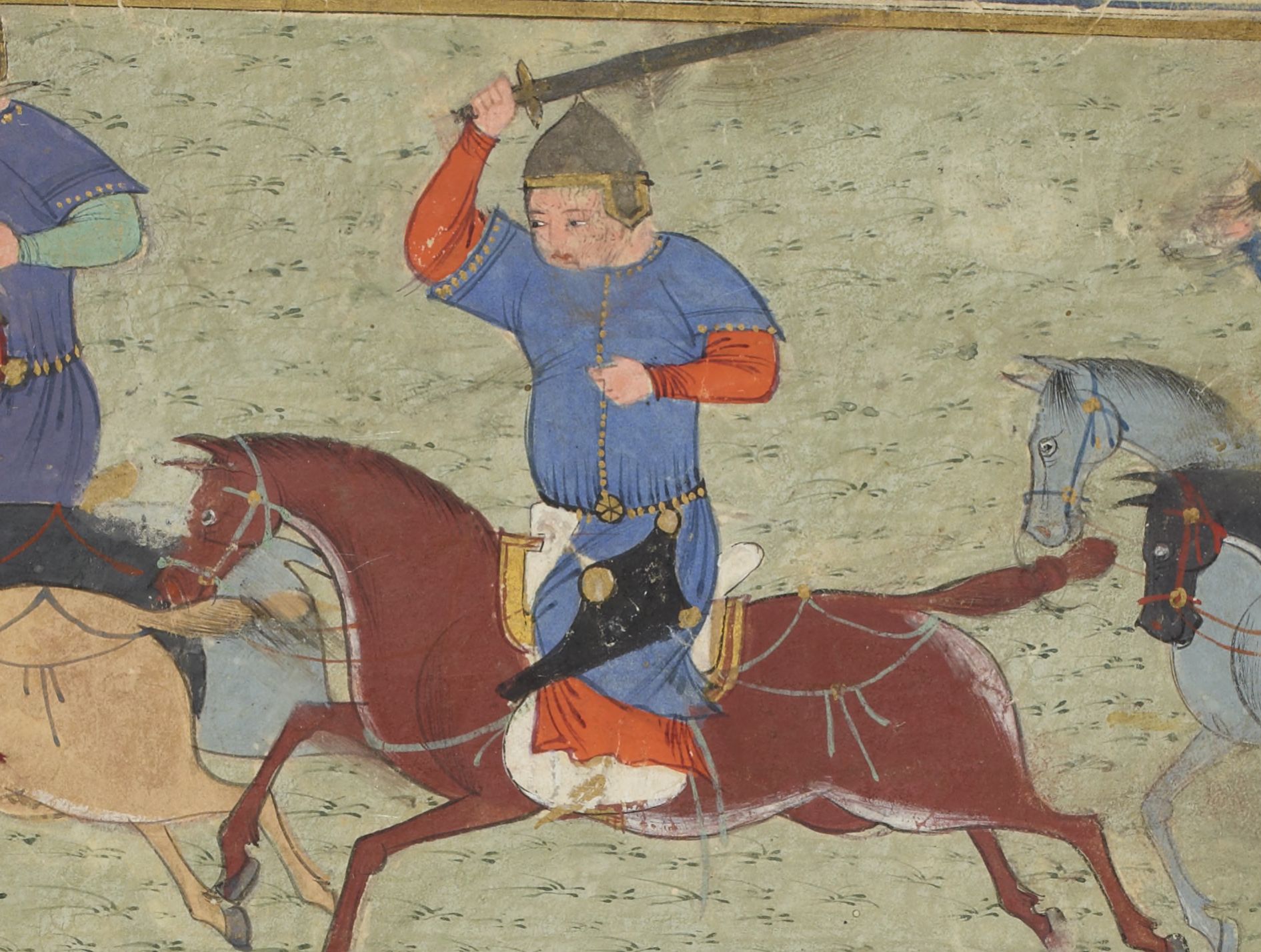
"A new climate study argues that a run of severe drought across parts of Eastern Europe coincided with-and may have helped shape-the Mongol Empire's rapid westward expansion in the 1230s. By reconstructing summer moisture conditions over more than a millennium, the researchers say the environmental "backdrop" along key routes of advance created advantages for mobile cavalry forces while putting extra pressure on settled agrarian societies."
A run of severe drought across parts of Eastern Europe coincided with and may have helped shape the Mongol Empire's rapid westward expansion in the 1230s. Reconstruction of summer moisture over more than a millennium places short episodes of stress within long-term variability. Tree-ring data from the European part of Russia combined sequences from living trees and archaeological wood to extend the chronology back into the tenth century. Summer (June-August) moisture conditions were reconstructed using the self-calibrating Palmer Drought Severity Index (scPDSI), which isolates precipitation and temperature effects on water availability. A nine-year drought beginning in 1230 was among the driest multi-year stretches on the East European Plain.
Read at Medievalists.net
Unable to calculate read time
Collection
[
|
...
]