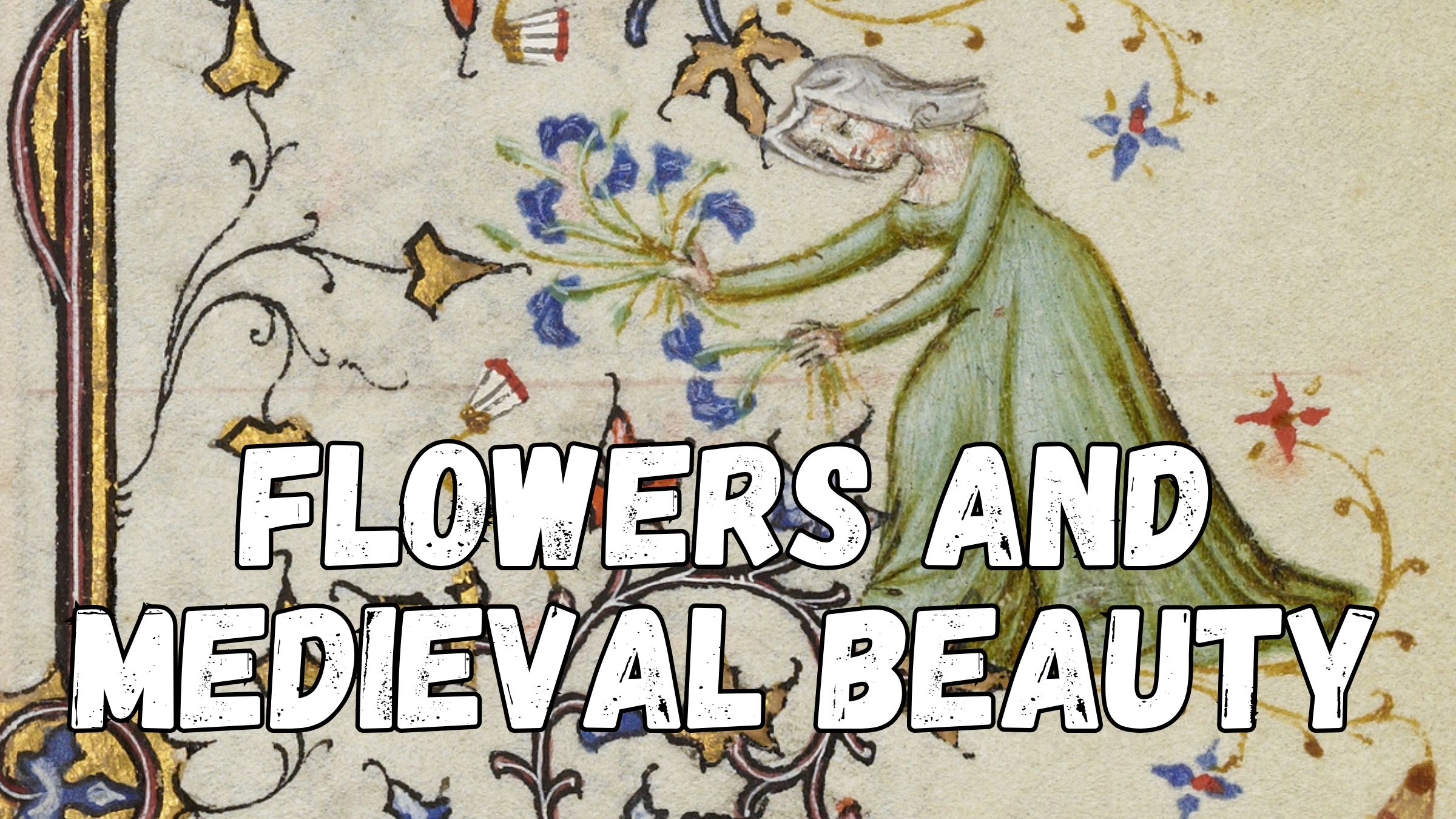
Flowers were essential to medieval bodily care, used in skincare, haircare, perfumes, and hygienic preparations. Medieval medical and cosmetic writings describe floral ingredients such as roses, violets, lilies, and other flowers in remedies meant to cleanse skin, color the complexion, perfume the body, heal wounds, and soothe the body. Floral substances appear in ointments, syrups, oils, floral waters, and powders, showing a close relationship between medicine and cosmetics. Rose and violet preparations were especially common, including rose sugar, rose honey, rose syrup, rose vinegar, and rose electuary, along with rose and violet oils considered cooling. These practices supported beauty ideals like a clear, pale complexion and well-kept, fragrant hair.
"Flowers were far more than decorative plants in the Middle Ages-they were essential ingredients in skincare, haircare, perfumes and even toothpaste. Medieval medical and cosmetic texts reveal how roses, violets, lilies and other flowers were used in beauty treatments designed to cleanse the skin, colour the complexion and perfume the body. Flowers occupied an important place in medieval conceptions of health, beauty and bodily care. Far from being valued solely for their decorative qualities, they were widely used in medical, cosmetic and hygienic preparations."
"Medieval treatises on medicine and beauty regularly mention floral ingredients, particularly roses, violets and lilies, in remedies designed to heal wounds, soothe the body, perfume the skin or improve the complexion. These practices reveal the close relationship between medicine and cosmetics in medieval culture, where caring for the body was understood as both a therapeutic and aesthetic endeavour. Texts such as the Trotula, Guy de Chauliac's Great Surgery, and the writings of Aldebrandin of Siena illustrate how flowers were incorporated into a wide range of preparations."
"These remedies were intended not only to treat illnesses but also to maintain youthful skin, enhance the complexion, care for the hair and perfume the body. The use of floral substances also reflects broader medieval ideals of beauty, such as a clear, pale complexion and well-kept, fragrant hair, which were pursued through both natural remedies and more artificial cosmetic techniques. Among flowers, roses and violets gave rise to the greatest number of preparations: rose sugar, rose honey, rose syrup, Mesue's rose ointment (an anti-inflammatory also used for war wounds), rose electuary, rose vinegar, and of course rose and violet oils, which were considered cooling."
#medieval-medicine #cosmetics-and-skincare #floral-ingredients #perfume-and-hygiene #roses-and-violets
Read at Medievalists.net
Unable to calculate read time
Collection
[
|
...
]