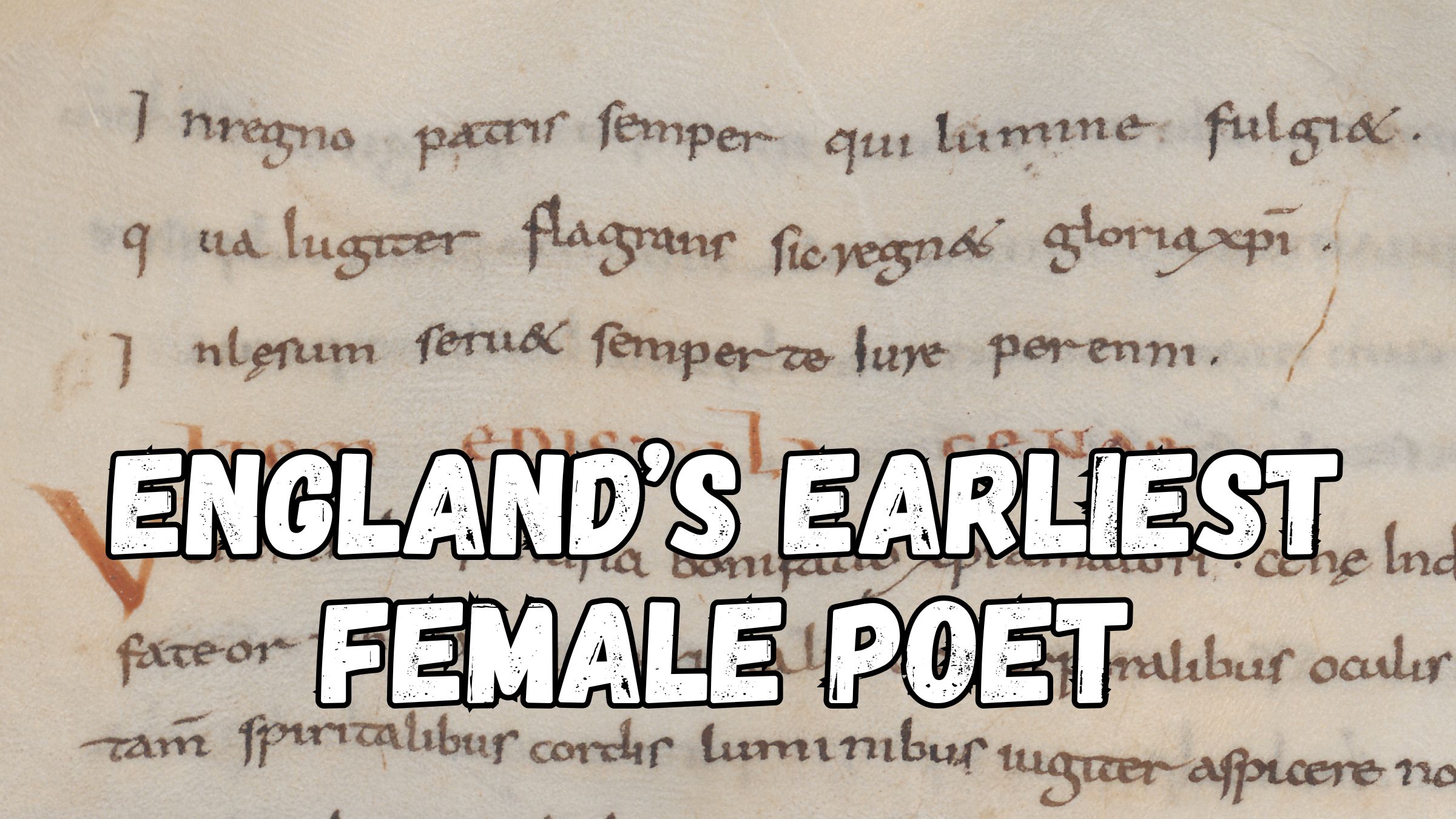
Leoba, also known as Leofgyth or Leobgytha, was an eighth-century English nun born in Wessex who entered the convent at Wimborne in Dorset. She composed poetry in Latin and stands as England's earliest surviving female poet. In early medieval England, educated culture was bilingual, with clerics and religious figures moving between Latin and Old English. Though only a single Latin letter survives, addressed to her kinsman Saint Boniface, it preserves four lines of Latin hexameter—Leoba's only extant poetry. The letter reveals her intimate spiritual concerns, including requests for prayers for her deceased father and ailing mother. Despite her historical significance as the earliest woman poet whose work endures, Leoba remains marginalized in accounts of early English literary history.
"Of Leoba's writings, a single Latin letter survives, addressed to her kinsman Saint Boniface, the celebrated English missionary to the Continent later known as the 'Apostle to the Germans'. This letter preserves the sole surviving example of Leoba's poetry: four lines of Latin hexameter. Yet despite holding the distinction of being the earliest woman poet whose work endures, Leoba remains a marginal and overlooked figure in accounts of early English literary history."
"In early medieval England (CE 597-1066), educated and literary culture was bilingual. Clerics, monks, nuns, and others moved comfortably between Latin and Old English, the two languages of learning and devotion. Leoba (a native speaker of Old English) is no less of an English poet because she wrote in Latin rather than Old English."
"In her letter, Leoba addresses her beloved kinsman Boniface, asking for his prayers for her deceased father and her ailing mother. As an only child, she tells him she regards him as a brother, since there is no one else in whom she can place her trust. The letter reveals an intimate friendship sustained across distance."
Read at Medievalists.net
Unable to calculate read time
Collection
[
|
...
]