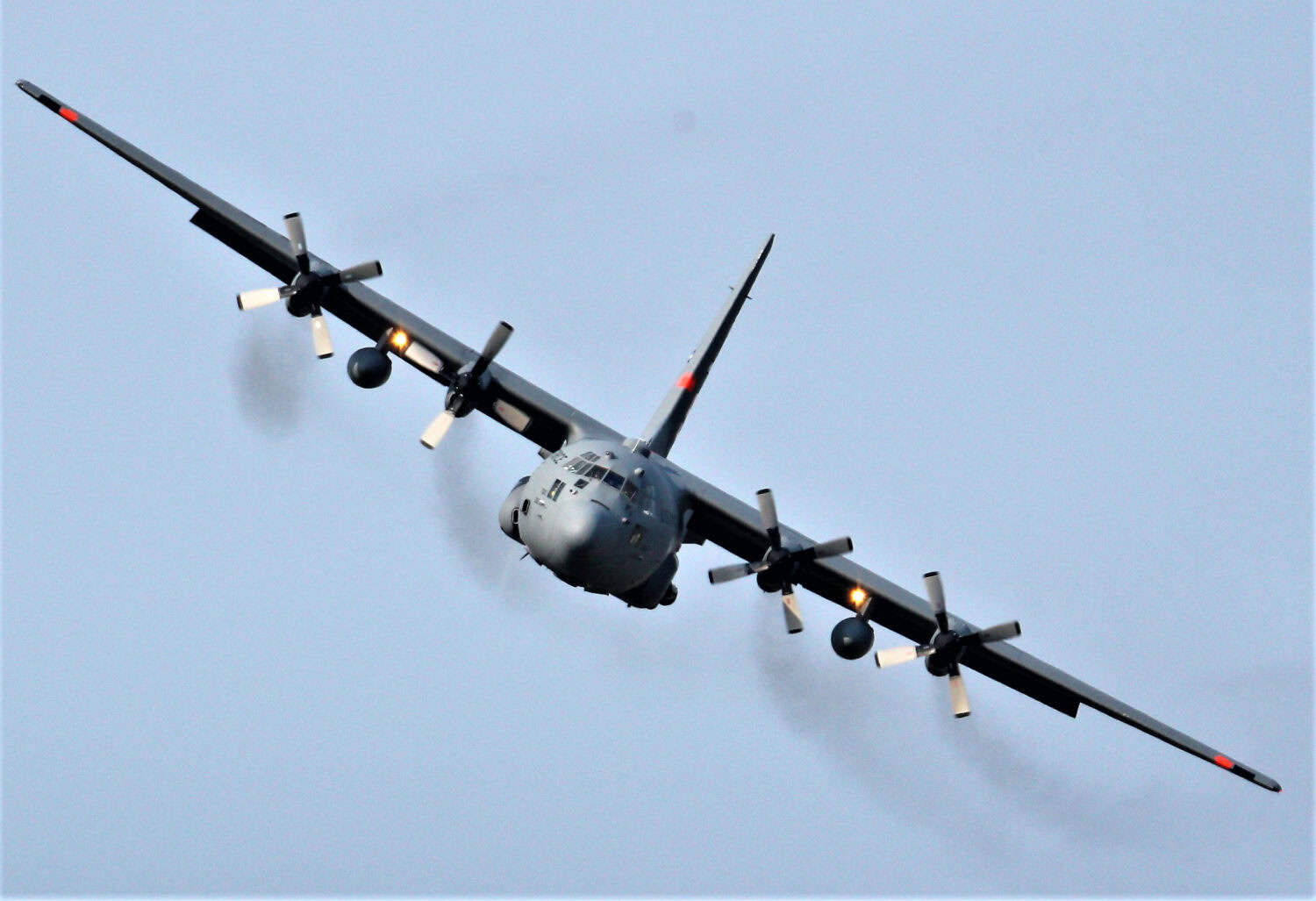
"For decades, the military has announced the retirement of aircraft that were supposedly nearing the end of their usefulness. Yet many of those platforms are still flying today. Whether it's because replacements arrived late, failed to replicate critical capabilities, or just couldn't meet operational need, these aircraft refused to disappear. Here, 24/7 Wall St. is taking a closer look at military aircraft that just refused to retire."
"Most retirement plans begin with a logical argument. Aging aircraft become more expensive to maintain, airframes accumulate fatigue, and supply chains for older components become harder to sustain. On paper, replacing legacy aircraft with newer platforms promises better performance and lower long-term costs. Budget forecasts and modernization roadmaps often assume clean handoffs, with old fleets exiting as new ones arrive. The problem is that aviation rarely follows a script."
Military retirement plans often assume clean handoffs from old to new aircraft, but operational realities frequently prevent that outcome. Aging airframes raise maintenance costs, accumulate fatigue, and face shrinking supply chains for legacy components. Replacement platforms promise improved performance and lower lifetime costs, yet development delays, cost overruns, shifting requirements, and production shortfalls commonly hinder timely fielding. As a result, many proven aircraft remain in service to meet urgent mission requirements. Historical reviews of such platforms include service entry dates, conflicts served, reasons for continued relevance, and current operational status.
Read at 24/7 Wall St.
Unable to calculate read time
Collection
[
|
...
]