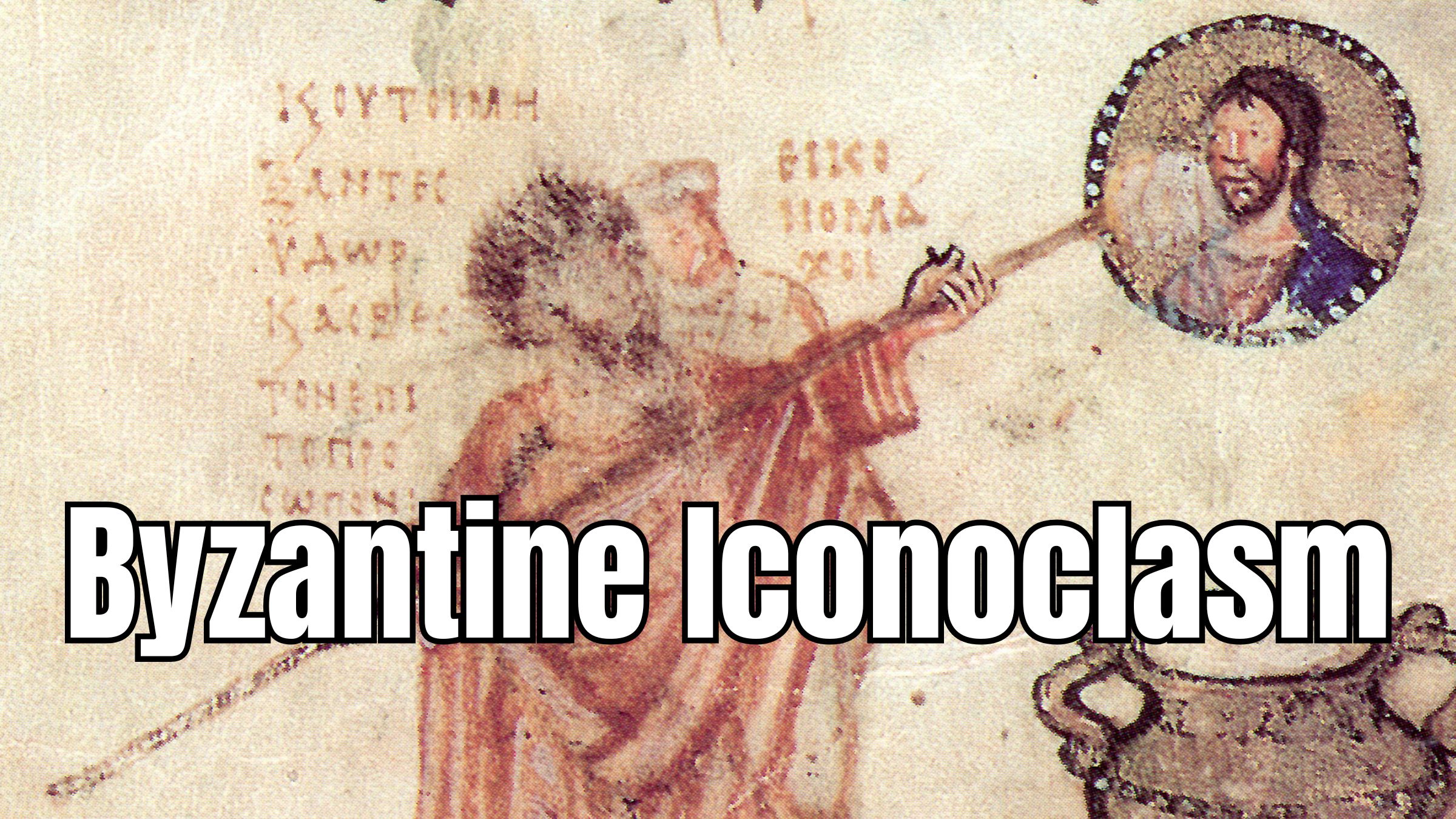
"For more than a century, the Byzantine Empire was convulsed by a bitter struggle over religious images that sparked riots, persecutions, and political upheaval. As Zoe Tsiami explains, Byzantine iconoclasm was far more than a debate about art, becoming a battle over theology, imperial authority, and the very identity of the medieval Roman world."
"Icons in Byzantium transcended mere artistic expression; they were revered as sacred portals to the divine. To the faithful, these vivid images served as tangible connections to holy figures-Christ, the Virgin Mary, and the saints-inviting believers into an intimate encounter with the divine realm. They were not just static representations; icons were passionately kissed, paraded through bustling streets, carried into the chaos of battle, and were believed to possess miraculous powers."
"This period was not only about the legitimacy of religious images but also about the authority of emperors, the vital role of monks, and the identity of the Christian Roman state. At the heart of it all was religious iconoclasm. The tumult surrounding icons-known as Byzantine Iconoclasm-ignited riots, persecutions, coups, and lasting divisions, driving society to confront deep-seated beliefs."
Byzantine iconoclasm was a prolonged struggle over religious images that triggered riots, persecutions, coups, and enduring divisions. Icons were treated as sacred portals to the divine, enabling intimate encounters with Christ, the Virgin Mary, and saints, and were believed to have miraculous power. Icons were kissed, paraded through streets, carried into battle, and integrated into everyday Christian devotion. Reformists viewed attacks on icons as assaults on orthodoxy and divine authority, while opponents defended them as essential to correct worship. The conflict shook theological foundations and challenged the authority of emperors, elevated the role of monks, and forced society to confront the identity of the Christian Roman state.
Read at Medievalists.net
Unable to calculate read time
Collection
[
|
...
]