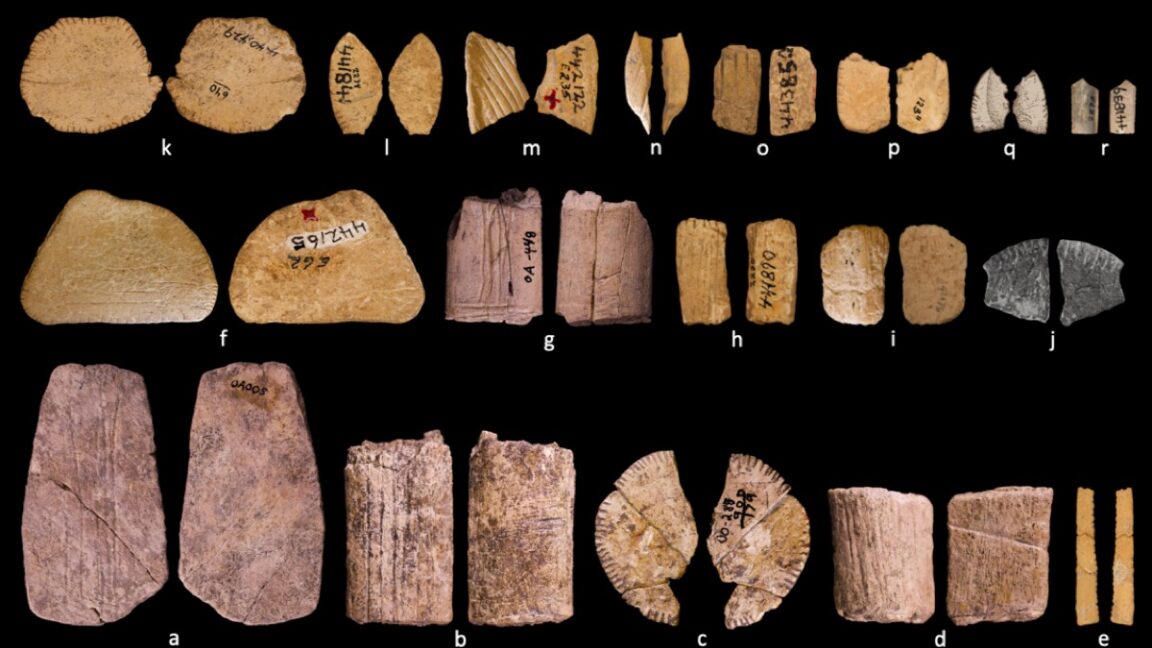
"Historians have traditionally treated dice and probability as Old World innovations. What the archaeological record shows is that ancient Native American groups were deliberately making objects designed to produce random outcomes, and using those outcomes in structured games, thousands of years earlier than previously recognized."
"We always have that problem with archeology, which is you find something, and you say, well, what is this, how was it used? One of the things we often rely on is something called ethnographic analogy, which is, do we have some kind of historic record of people using things like this, hopefully in the same area and hopefully with a cultural connection."
Native Americans have utilized dice in games of chance for over 12,000 years, significantly earlier than the oldest known dice in the Old World. Archaeological evidence indicates that ancient Native American groups intentionally created objects to generate random outcomes for structured games. These early dice, often binary lots with two sides, were prevalent among various tribes. Previous archaeological studies had only traced dice use back 2,000 years, but new findings challenge this timeline, suggesting a much older tradition of gaming and probability among Native Americans.
Read at Ars Technica
Unable to calculate read time
Collection
[
|
...
]