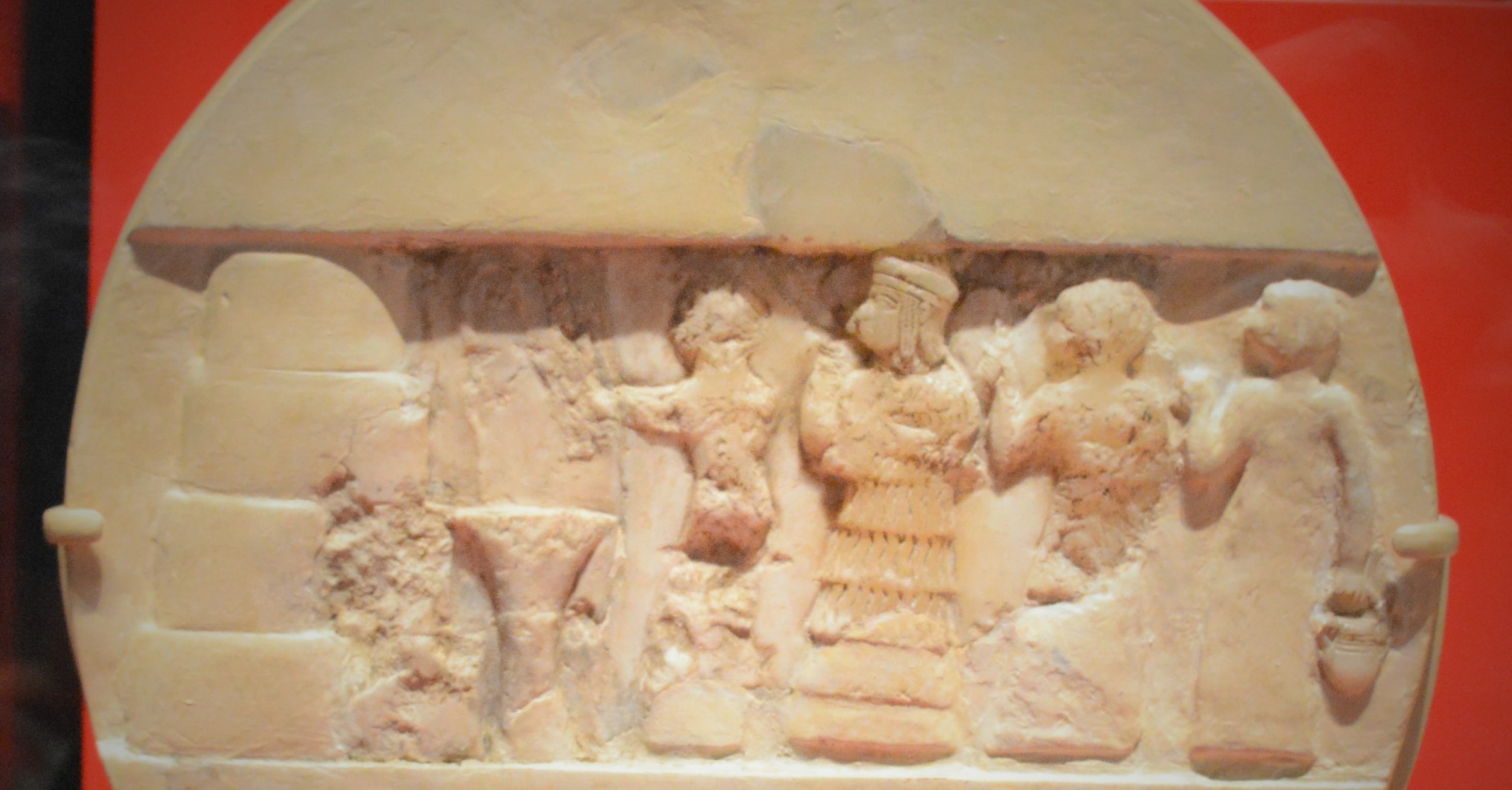
"Enheduanna was the daughter of Sargon of Akkad (the Great, reign 2334-2279 BCE), who appointed her as high priestess of the city of Ur, where she composed her now-famous works, Inninsagurra (The Great-Hearted Mistress), Ninmesarra (The Exaltation of Inanna), and Inninmehusa (Goddess of the Fearsome Powers), all dedicated to Inanna."
"Inanna was the Sumerian goddess of fertility, love, sensuality, procreation, and war, later identified with Ishtar. Her clergy were male, female, and transgender, with the men and women frequently cross-dressing to embody Inanna's transformative powers."
"To emphasize Inanna's significance, Enheduanna reduces other gods who are usually considered her superiors - Anu and Enlil - to secondary roles who 'cannot proceed against her command,' and the first part of the poem (lines 1-72) focuses on her destructive power as a goddess of war."
Enheduanna, the first known named author in history (circa 2300 BCE), composed the Hymn to Inanna as a passionate devotional work dedicated to the Sumerian goddess of fertility, love, war, and transformation. Appointed high priestess of Ur by her father Sargon of Akkad, Enheduanna wrote multiple poems celebrating Inanna while also composing 42 other works expressing personal faith and struggles. The hymn strategically diminishes traditionally superior gods like Anu and Enlil to secondary roles, establishing Inanna's supreme authority. The poem's structure progresses from depicting Inanna's destructive power as a war goddess, to asserting her superiority over all deities, to celebrating her transformative abilities. Inanna's clergy embodied her androgynous nature through cross-dressing, reflecting her power to transcend and transform gender identities.
#ancient-sumerian-literature #goddess-worship-and-devotion #gender-transformation-and-androgyny #enheduanna #religious-poetry
Read at World History Encyclopedia
Unable to calculate read time
Collection
[
|
...
]