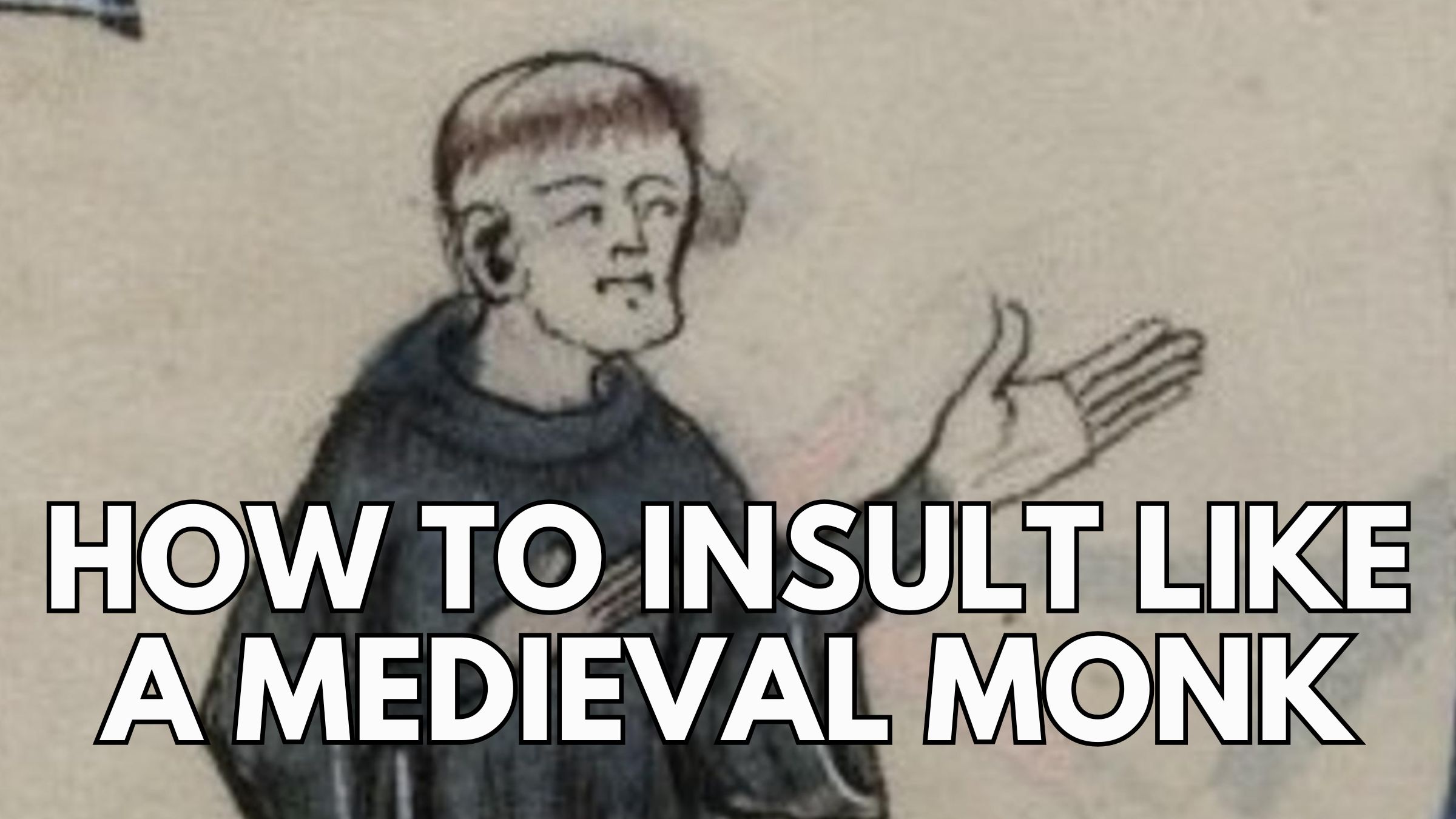
"Medieval monks at Cluny were known for their devotion, but they also mastered the art of delivering devastating literary insults. When challenged, they answered not with weapons, but with scathing Latin verse sharp enough to silence any critic. The Monastery of Cluny, famed as a beacon of perpetual prayer and a shining light of Christian monasticism, was far from merely a sanctuary of quiet contemplation. Beneath its pious surface, it also carried an ideology of combativeness, albeit a spiritual and literary combativeness."
"While Cluny is often celebrated for its ceaseless devotion and spiritual reform, it was also a place where ideological and personal disputes could ignite heated debates. Cluniac monks, particularly those defending their abbots or venerable predecessors, wielded words with the precision of a sword. The epitaphs and poetic compositions they authored were more than mere praise; they were also a battleground where opponents were taken to task, sometimes with brutal vehemence."
Medieval monks at Cluny combined intense devotion with a practiced skill in crafting devastating literary insults. When challenged, they replied not with weapons but with scathing Latin verse designed to silence critics. The monastery was celebrated for perpetual prayer and monastic reform, yet it also contained an ideology of spiritual and literary combativeness. Cluniac writers used epitaphs and poetic compositions to defend abbots' memories and doctrinal positions, turning praise into polemical battlegrounds. Examples include an epitaph for Pope Gelasius II that framed him as an exiled victim deserving eternal glory and Pierre de Poitiers's Contra Barbarum, explicitly aimed at destroying opponents through biting poetry.
Read at Medievalists.net
Unable to calculate read time
Collection
[
|
...
]