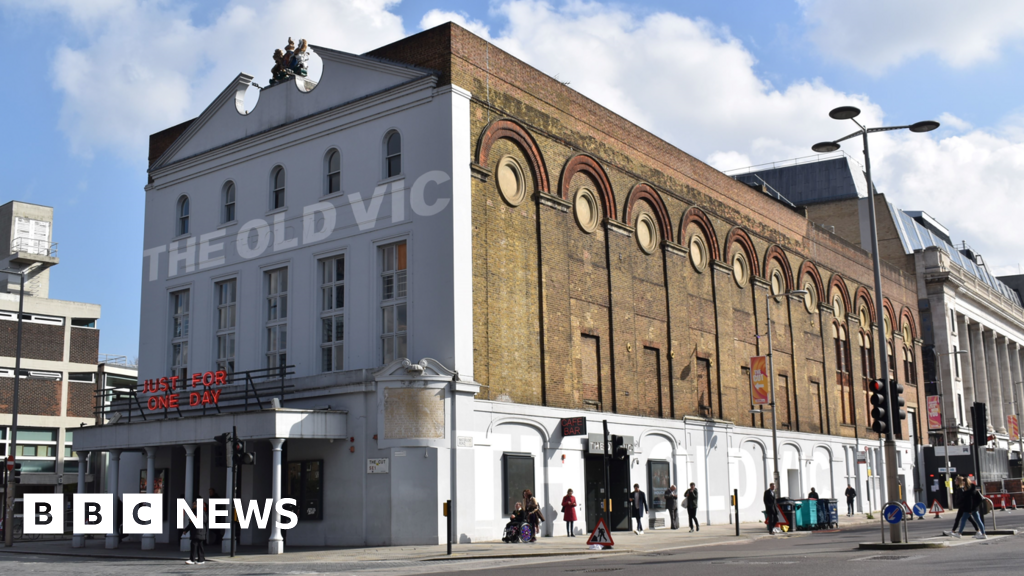
"With alcohol abuse being blamed for widespread poverty and social issues at the start of the 1800s, reformers began turning against booze. Temperance societies appeared in the 1830s, formed by people who committed themselves to a life of abstinence, while also helping those affected by drink and advocating for restrictions on alcohol. Over the century millions would sign the same pledge as part of attempts at self-improvement, turning the Temperance movement into one of England's largest social campaigns of the time."
"With a demand for spaces that people could use which were cut off from the demon drink, an alternative world offering goods and services was created. Alcohol-free concert halls were created to provide entertainment, while coffee taverns offered a different place to go to a trip to the pub. People could even visit hospitals which took in only those who avoided alcohol or get life insurance from firms that dealt only with teetotallers."
Temperance activism emerged in the 19th century as reformers blamed alcohol for poverty and social ills and promoted abstinence. Temperance societies formed in the 1830s, offering mutual aid, advocacy for alcohol restrictions, and pledges of teetotalism that millions signed across the century. Demand for alcohol-free venues produced alternative social infrastructure: concert halls, coffee taverns, temperance hotels, hospitals admitting only abstainers, and life insurance firms serving teetotallers. Between 1880 and 1914 roughly 500 Temperance hotels operated nationwide, many concentrated in London. A substantial built heritage of temperance-era institutions exists, though numerous examples have been demolished or lost.
Read at www.bbc.com
Unable to calculate read time
Collection
[
|
...
]